Goal
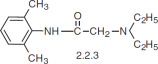
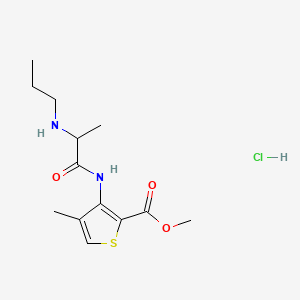
Develop efficient, high-yield, and greener chemical synthesis routes for local anesthetic drugs such as lidocaine and articaine.
Problem
Current manufacturing of local anesthetics can involve harsh conditions, low yields, and environmentally unfriendly reagents; there is a need for scalable, high-purity, and greener processes.
Concept Summary
The article compiles several synthetic routes for lidocaine and articaine, ranging from classic two-step acylation/nucleophilic substitution to multicomponent Ugi reactions and green-chemistry optimizations. Reported methods use readily available starting materials (2,6-dimethylaniline, chloroacetyl chloride, diethylamine, etc.), various solvents (acetone, methanol, dichloroethane), and catalysts (potassium iodide, Pd/C). Yields up to 71 % and purities >99 % are claimed, with some procedures demonstrated in undergraduate labs and scaled to full-course laboratory settings.
Principles
- Acylation of aromatic amines
- Nucleophilic substitution (Finkelstein reaction)
- Ugi multicomponent condensation
- Green chemistry (temperature reduction, solvent replacement, catalytic iodide)
- Industrial scale-up considerations
Scientific Domains
Materials
- 2,6-dimethylaniline
- chloroacetyl chloride
- chloroacetic acid chloride
- diethylamine
- potassium iodide
- acetone
- methanol
- acetic acid
- dichloroethane
- hydrochloric acid
- ammonia water
- Pd/C catalyst
- 2,6-dimethylcyclohexanone
- sodium methylate
- N,N-lignocaine methyl acetate
Mechanisms of Action
- Acyl chloride reacts with amine to form amide intermediate
- Diethylamine displaces chloride in nucleophilic substitution
- Ugi reaction combines aldehyde, amine, isocyanide and carboxylic acid to form amide
- Catalytic iodide promotes halide exchange (Finkelstein)
- Acid-catalyzed amidation for articaine synthesis
Applications
- Medical and dental local anesthesia
- Cardiac anti-arrhythmic therapy
- Pharmaceutical manufacturing of anesthetic agents
Claimed Performance
Yields up to 71 % (traditional two-step) and >99 % purity; green-optimized routes claim higher utilization of raw materials and reduced environmental impact; procedures suitable for industrial production and educational labs.
Experimental Evidence
Student laboratory experiments repeatedly produced lidocaine with >70 % yield; a green-chemistry variant was successfully implemented in a full-scale organic chemistry laboratory course; patents report high yields and purities (>99 %).
Replication Status
Implemented in undergraduate organic chemistry labs and described in multiple patents; full-scale laboratory course adoption reported.
Limitations
- Use of hazardous reagents (chloroacetic acid chloride, strong acids)
- Need for controlled temperature and inert atmosphere in some steps
- Scale-up may require additional waste-management for solvents