Goal
Reduce fuel consumption and increase engine power by improving intake-air dynamics.
Problem
High fuel consumption and emissions of internal-combustion-engine vehicles.
Concept Summary
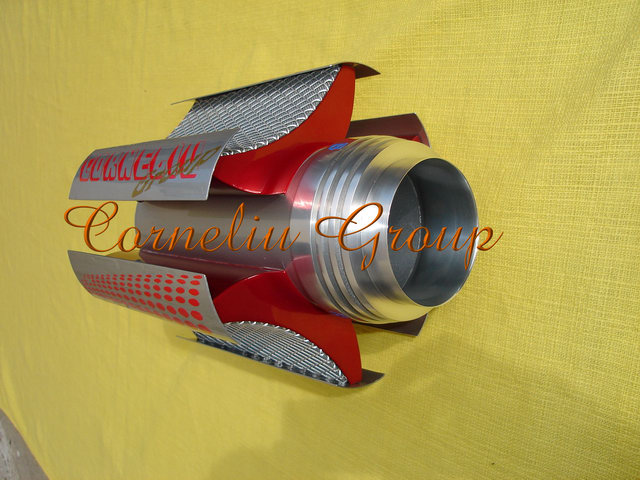
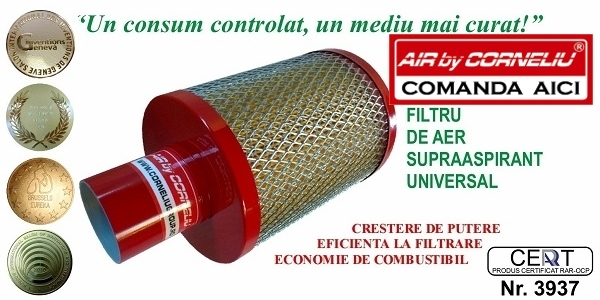
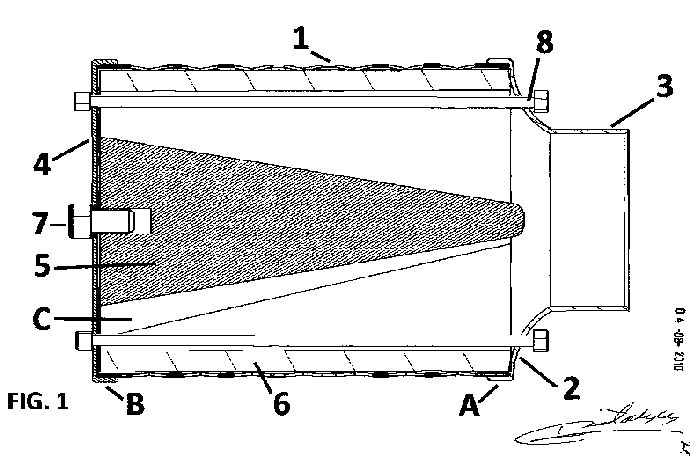
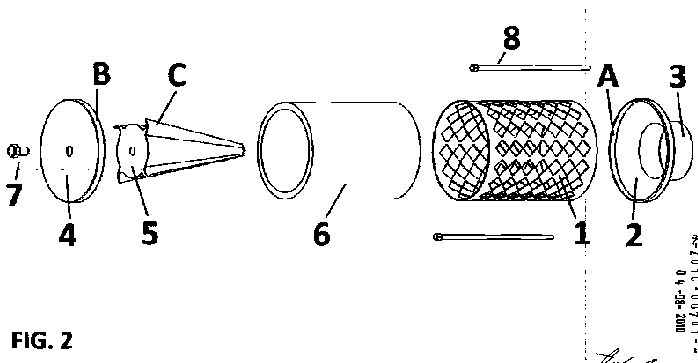
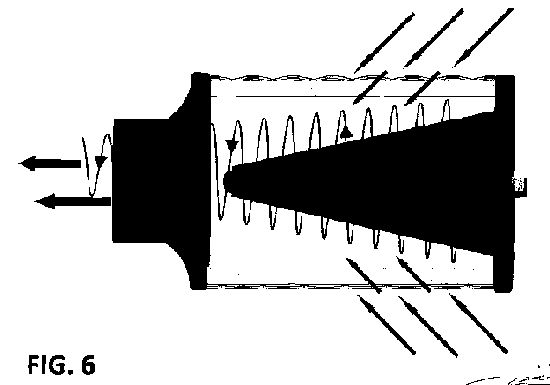
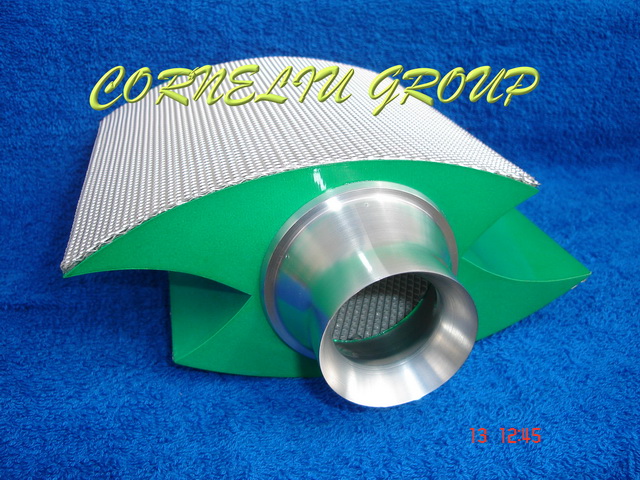
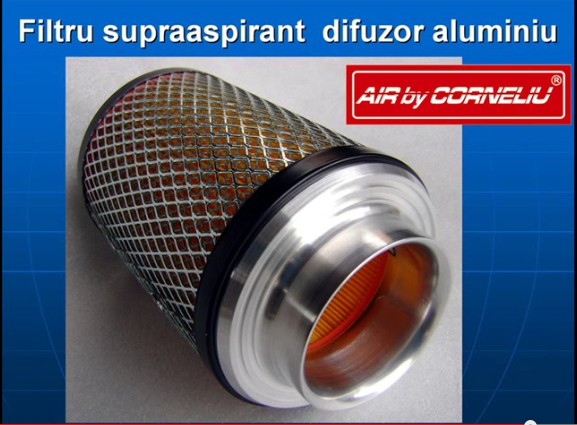
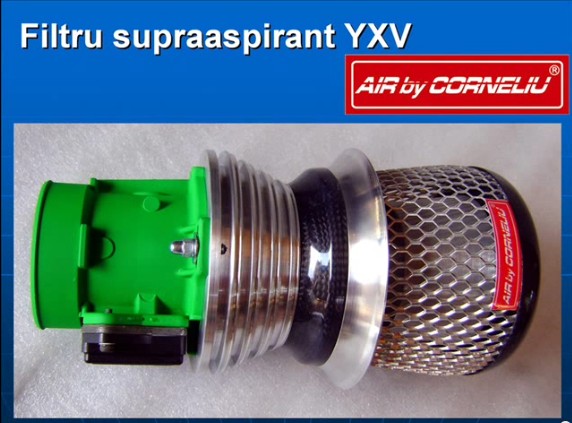
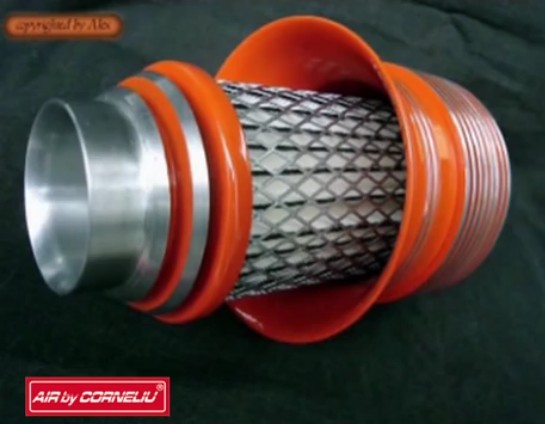
A specially designed air filter with a perforated case, internal diffuser, cone and fins that swirl, pre-cool and accelerate incoming air before it mixes with fuel, resulting in more efficient combustion and lower fuel use.
Detailed Description
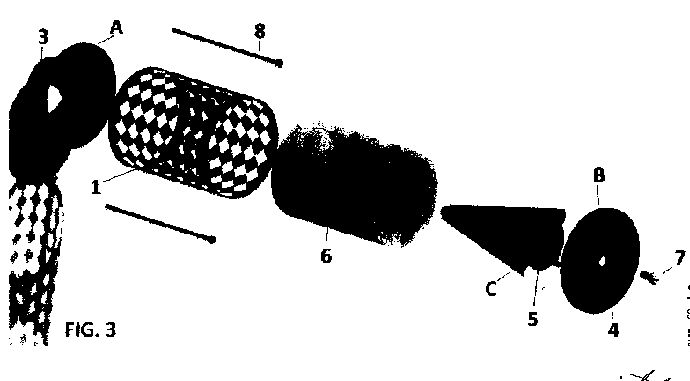
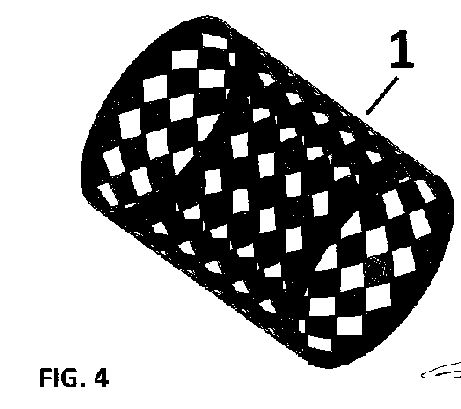
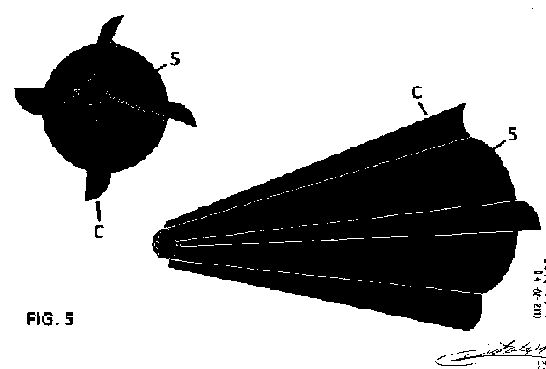
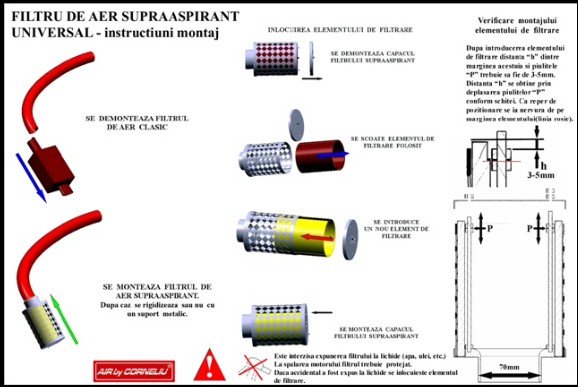
The filter consists of a perforated metal case that houses an internal diffuser and a cylindrical coupling to the engine intake manifold. A closing cap holds an internal cone whose outer surface carries multiple fins to create a swirling, high-velocity airflow. A cylindrical filtering element sits beneath the case. The geometry increases intake air speed, pre-cools the air, and improves the air-fuel mixture, leading to reported fuel-consumption reductions of 10-20 % and power gains of 8-10 % in tested vehicles.
Principles
- Fluid dynamics
- Aerodynamic swirl
- Air filtration
- Thermal pre-cooling
Scientific Domains
Materials
- Perforated metal case
- Metal cone
- Metal fins
- Cylindrical filter media
Mechanisms of Action
- Swirling airflow creates higher pressure drop
- Pre-cooling of intake air increases density
- Higher intake velocity improves engine breathing
Applications
- Passenger cars
- Trucks
- Buses
- Public transport vehicles
Claimed Performance
Up to 20 % fuel reduction in cars, up to 7 % in trucks, 10-15 % fuel saving and 8-10 % power increase reported in tests.
Experimental Evidence
Tested on at least 40 vehicles (cars, trucks, buses); users reported commended results; prototype showed 4 % power increase and up to 7 % fuel savings on trucks.
Replication Status
Prototype tested on multiple vehicles; no commercial production reported.
Limitations
- Requires proper mounting to engine intake
- Performance may vary with engine design
- No large-scale production data