Goal
To extend organism lifespan, improve immune function and enhance plant growth using bioactive substances from an ancient bacterium.
Problem
Age-related health decline, susceptibility to flu, low crop productivity and frost sensitivity.
Concept Summary
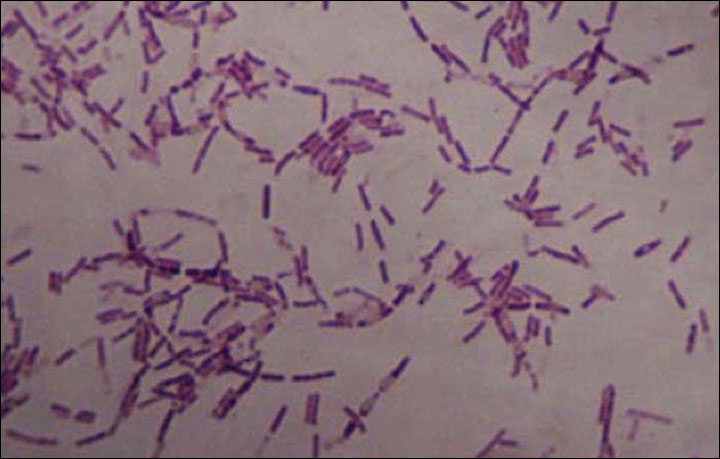
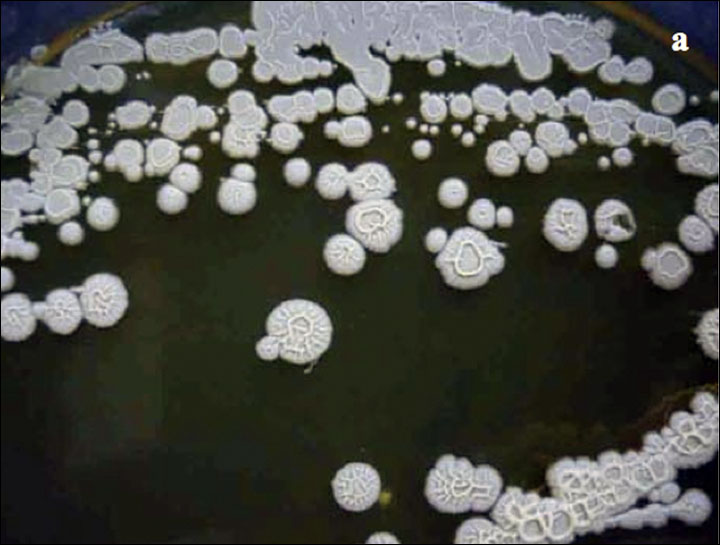
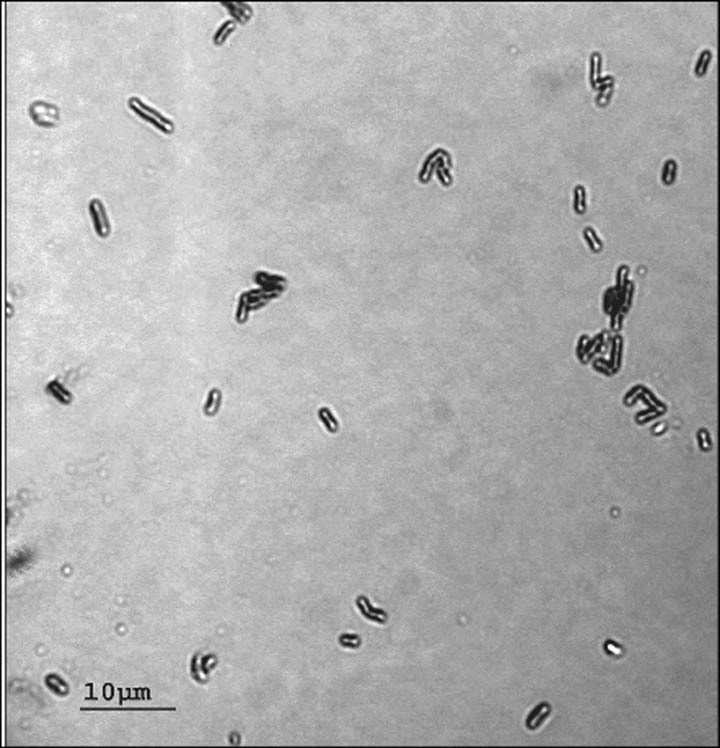
A Bacillus cereus strain isolated from Siberian permafrost (~=3.5 Myr old) is reported to produce biologically active compounds that stimulate immune responses, increase longevity in model organisms, and promote plant growth and frost resistance. The bacterium or its extracts are proposed as a basis for anti-aging therapies and agricultural bio-fertilizers.
Principles
- Ancient bacterial DNA-repair and protective proteins
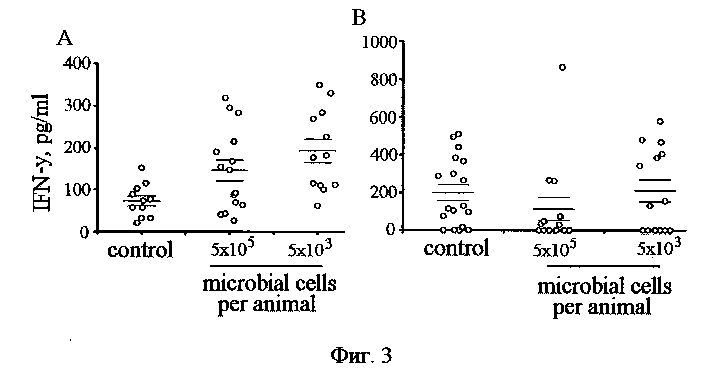
- Immune system stimulation by bacterial metabolites
- Plant growth promotion via phytohormone-like substances
Scientific Domains
Materials
- Bacillus cereus sp. F bacterial culture
- Lyophilized bacterial cells
- Culture medium
Mechanisms of Action
- Expression of longevity-associated genes
- Secretion of immune-activating molecules
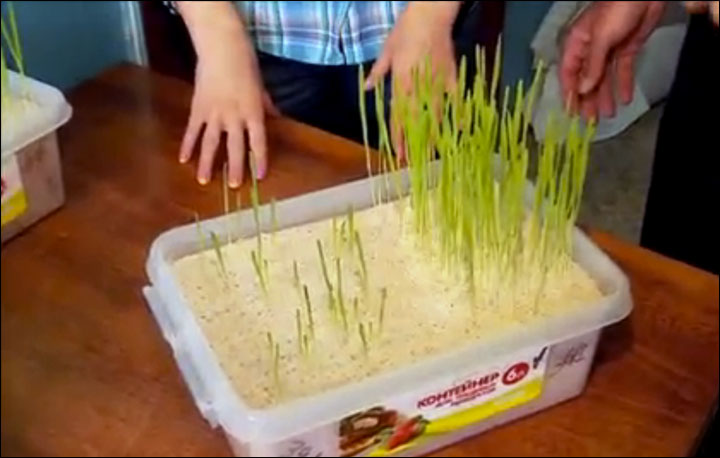
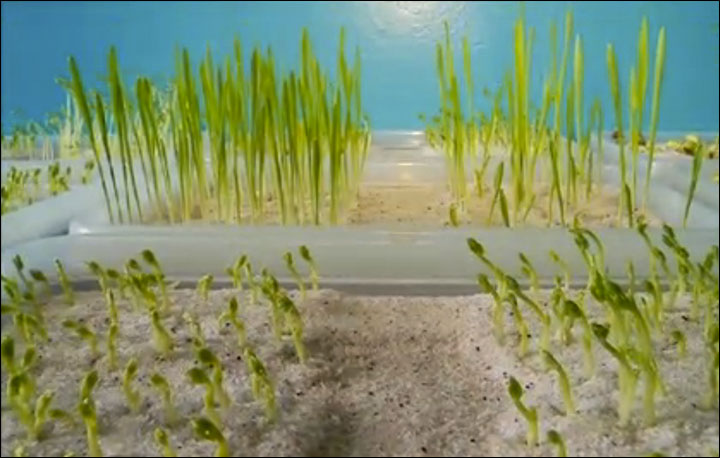
- Enhancement of photosynthesis and frost tolerance in crops
Applications
- Anti-aging therapy
- Immune modulation
- Agricultural bio-fertilizer
Claimed Performance
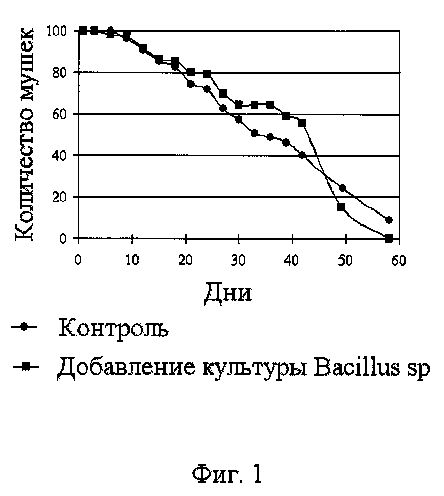
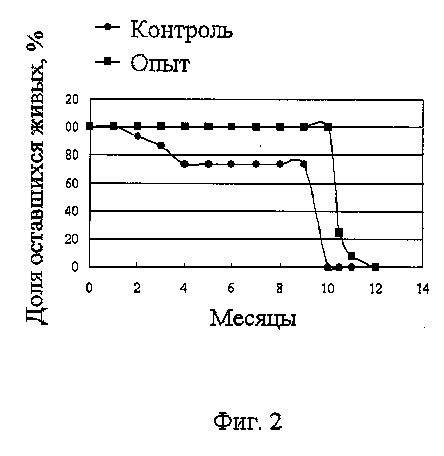
Self-injection allegedly prevented flu for two years; mice and fruit flies showed increased longevity and fertility; crops displayed enhanced growth, frost resistance and photosynthesis.
Experimental Evidence
Experiments reported on mice, fruit flies, human blood cells, and crops; anecdotal self-injection by the researcher; genome sequencing of the strain completed.
Limitations
- Mechanism of action not yet identified
- Lack of controlled clinical trials
- Potential safety concerns with live bacterial injection
Red Flags
- Self-injection without medical supervision
- Claims of 'eternal life' without peer-reviewed data
- Potential for unregulated use as a supplement