Goal
Self-correction of mental and emotional state and stress reduction through synchronized visual, auditory and aromatherapy biofeedback.
Problem
Emotional stress, anxiety, poor mental health, and related psychosomatic disorders.
Concept Summary
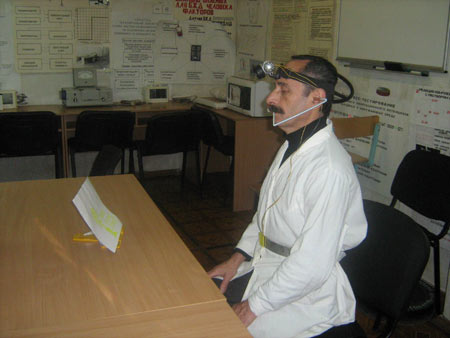
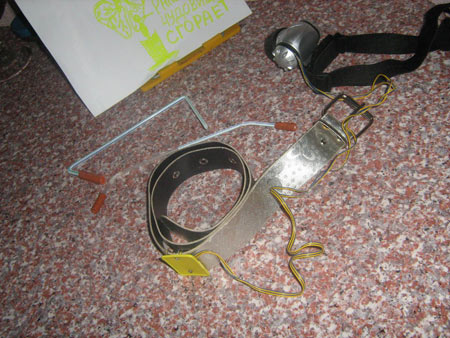
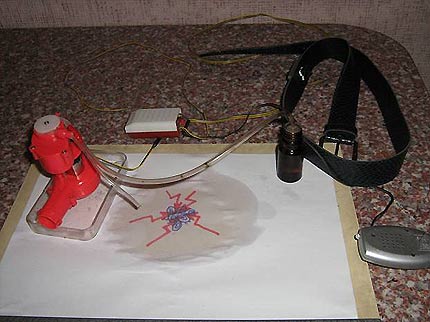
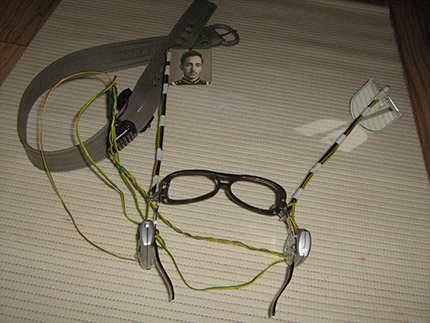
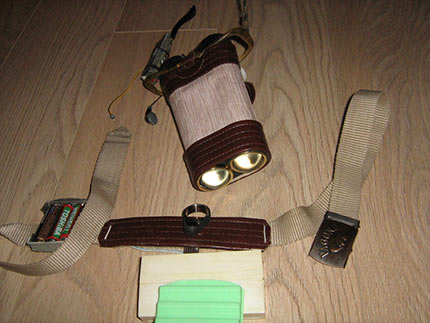
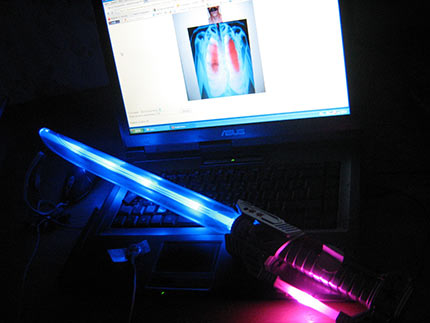
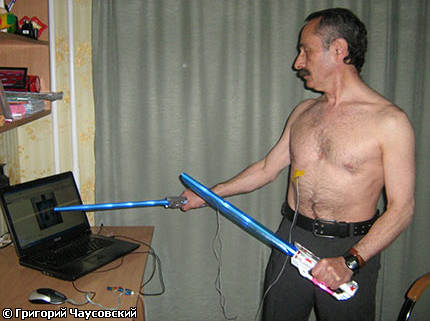
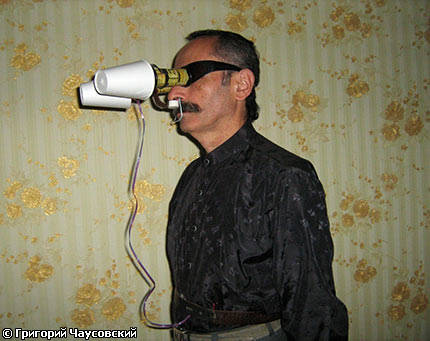
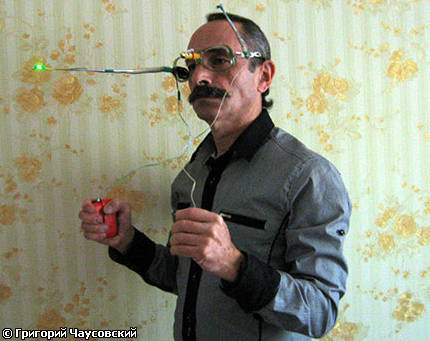
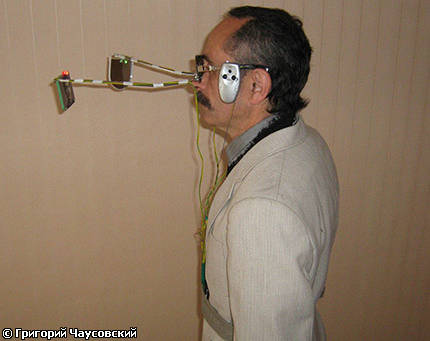
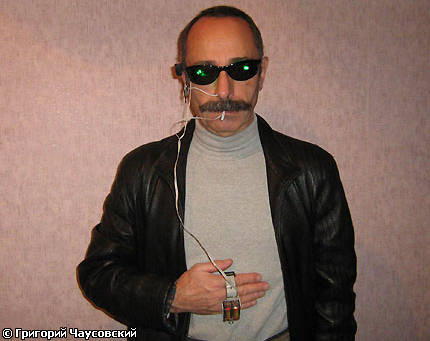
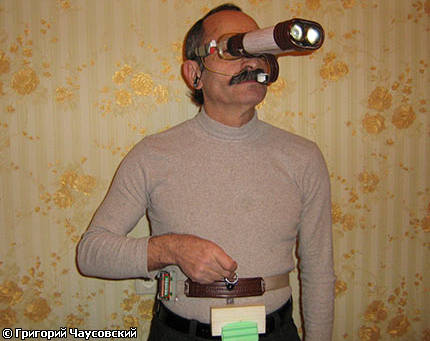
A wearable system that couples a kaleidoscopic LED visual display, a nose-adapted microphone for breath detection, essential-oil aromatherapy, and a monaural earbud delivering whispered autosuggestions. The device synchronises colorful patterns and sounds to the user's breathing and torso movements, providing multimodal biofeedback intended to induce a trance-like state and improve emotional regulation.
Principles
- Biofeedback
- Synchronized breathing rhythm detection
- Visual entrainment via kaleidoscopic LED patterns
- Auditory autosuggestion (monaural whisper)
- Aromatherapy with essential oils
- Tactile feedback from torso movement sensors
Scientific Domains
Materials
- Polystyrene cups
- LEDs
- Microphone (electret)
- Glass balls and mirror prisms
- Plastic frame
- Essential oils
- Electrodes (micro-electrodes)
- Magnets and magnetic ring
- Battery (portable power source)
Mechanisms of Action
- Real-time monitoring of diaphragmatic breathing
- Modulation of visual and auditory stimuli in phase with respiration
- Induction of trance state through repetitive sensory stimulation
- Psychological suggestion via whispered affirmations
- Olfactory stimulation to influence mood
Energy Sources
Applications
- Personal stress management
- Mental-health self-care
- Wellness and relaxation training
- Complementary therapy for anxiety and insomnia
Claimed Performance
Reduces stress, improves emotional balance, self-corrects vegetative status, alleviates anxiety, pain, and bad habits; claims of health benefits such as enhanced immune response and slowed aging.
Experimental Evidence
The article cites experimental validation by L. Tommasi (2009) and S. Scott (2009) showing faster task performance when the right-ear monaural suggestion is used. No peer-reviewed clinical trials are presented.
Replication Status
The inventor states the device is reproducible by the average maker and provides open-source documentation; no independent third-party replication is reported.
Limitations
- Lack of rigorous, peer-reviewed clinical data
- Subjective outcome measures
- Reliance on user compliance and correct sensor placement
- Potential placebo effect
Red Flags
- Claims of health benefits (immune activation, slowed aging) without clinical evidence
- Use of vague "positive mind control" terminology
- Potential for misuse as a "mind-control" device