Confidence
0.70
Practicability
0.40
Evidence
0.50
Fringe Score
0.90
Risk
0.50
TRL
4
Goal
Convert long-lived radioactive elements into stable, non-radioactive daughter elements.
Problem
Disposal of radioactive waste and long-half-life radionuclides such as thorium.
Concept Summary
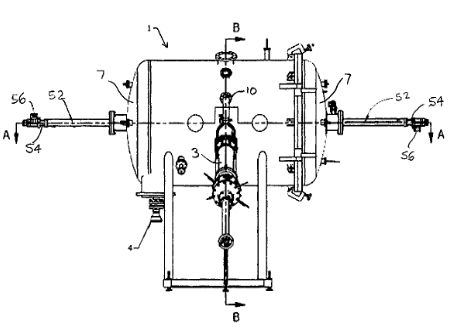
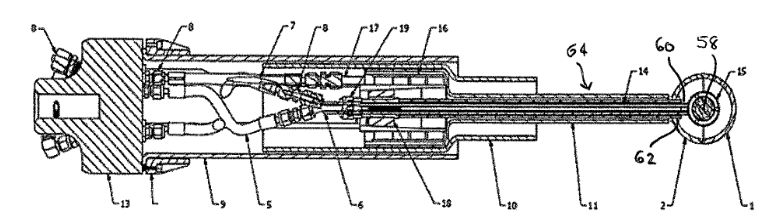
A plasma-heating reactor uses high-current electricity to generate a plasma that bombards atomic nuclei, accelerating their decay and producing stable daughter elements, as demonstrated with thorium, tungsten and iron.
Principles
- plasma heating
- electric current induced nuclear transmutation
- ion bombardment of nuclei
Scientific Domains
Materials
- water
- process gas (unspecified)
- cathode material (unspecified)
- anode material (unspecified)
Mechanisms of Action
- high-energy plasma generation in a sealed chamber
- electron/ion bombardment of target atoms
- controlled cathode-anode spacing to modulate plasma characteristics
Energy Sources
Applications
- radioactive waste disposal
- conversion of fluoride to phosphorus for fertilizer
Claimed Performance
Accelerated decay of thorium from its natural half-life of 14 billion years to minutes; transmuted tungsten and iron into more than 17 benign stable daughter elements.
Experimental Evidence
The transmuted products were verified by a certified independent laboratory; the team reports repeated transmutations of tungsten and iron.
Limitations
- Scalability of the tabletop reactor not demonstrated
- No peer-reviewed publications or quantitative data provided
- Energy efficiency and net energy balance not disclosed
Red Flags
- Extraordinary claim of changing nuclear decay rates without known physics
- Reliance on proprietary patents and limited independent verification