Goal
To control and deflect high-velocity fluid streams by creating an unbalanced pressure field (Coanda effect) using guiding flaps, enabling propulsion, noise reduction, and fluid handling applications.
Problem
Difficulty in directing high-speed fluid jets without excessive impact or loss of efficiency; need for simple, passive means to steer fluid streams for propulsion, exhaust management, and fluid processing.
Concept Summary
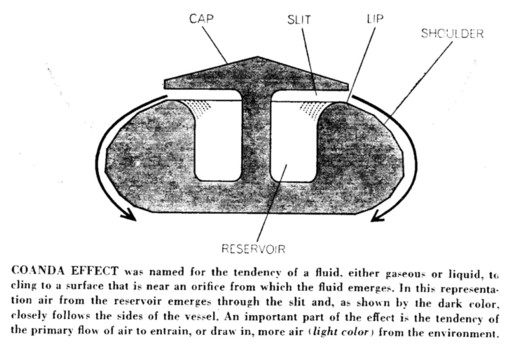
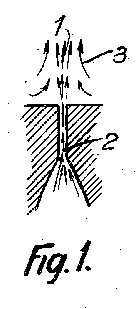
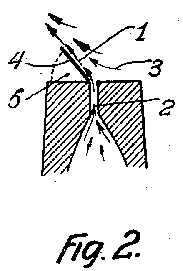
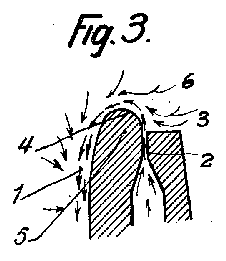
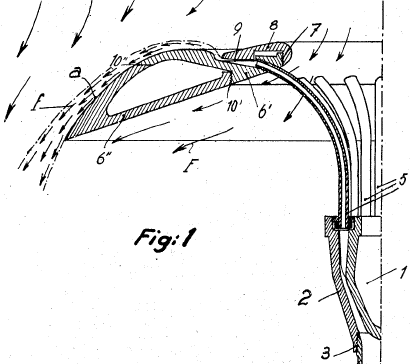
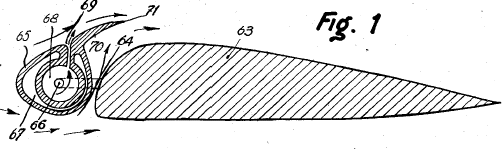
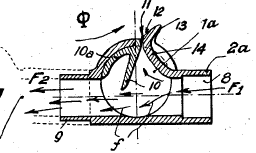
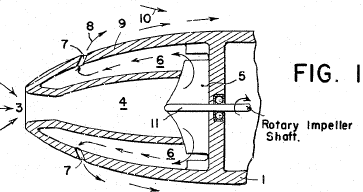
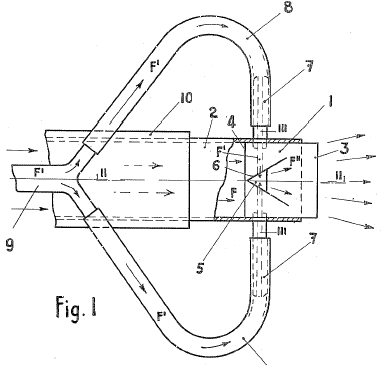
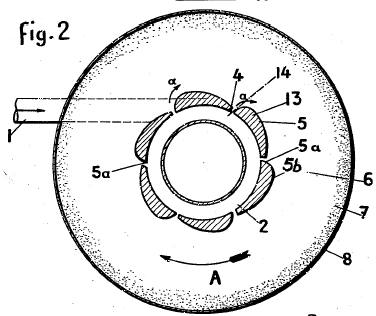
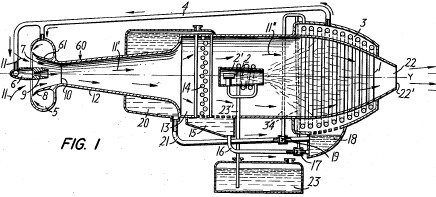
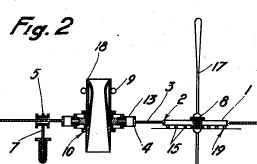
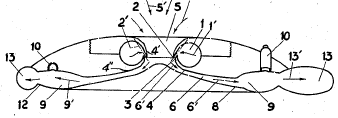
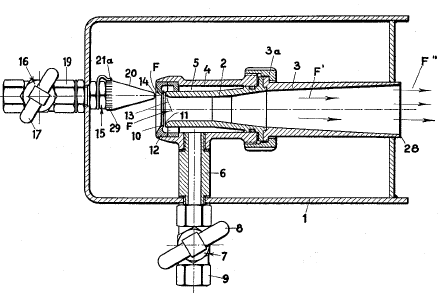
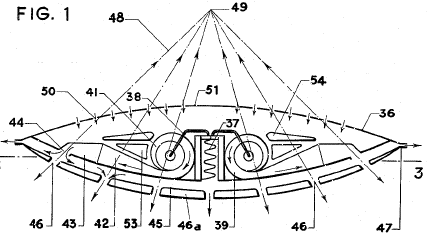
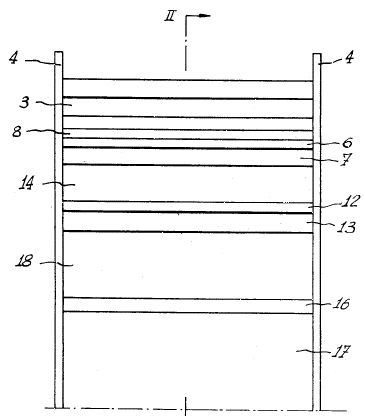
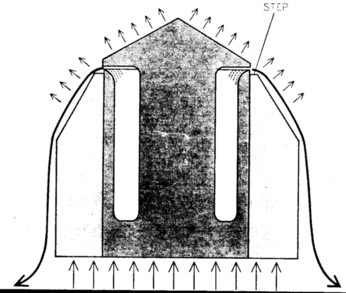
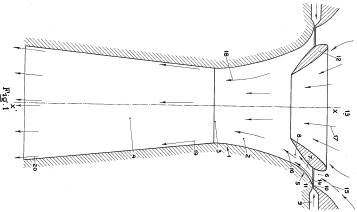
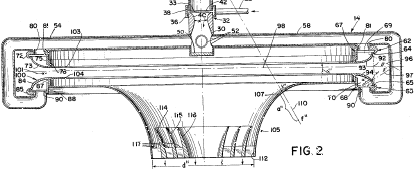
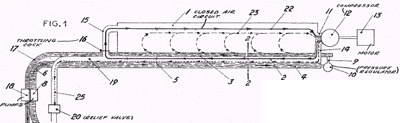
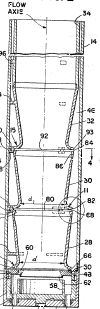
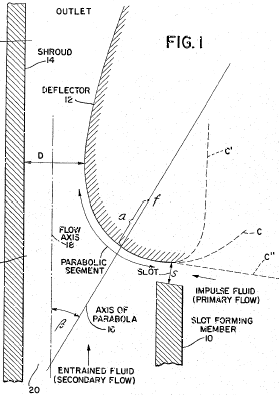
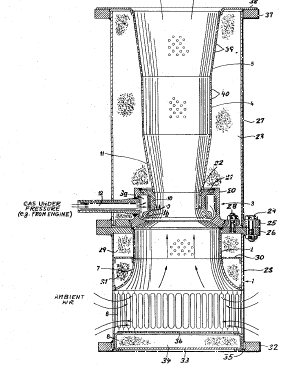
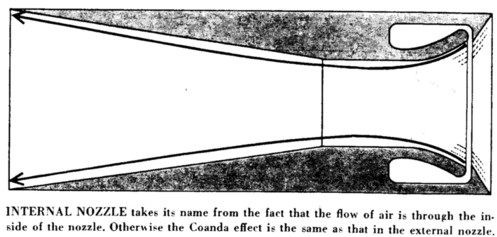
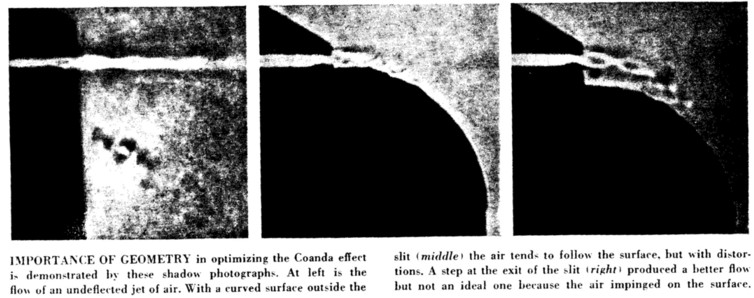
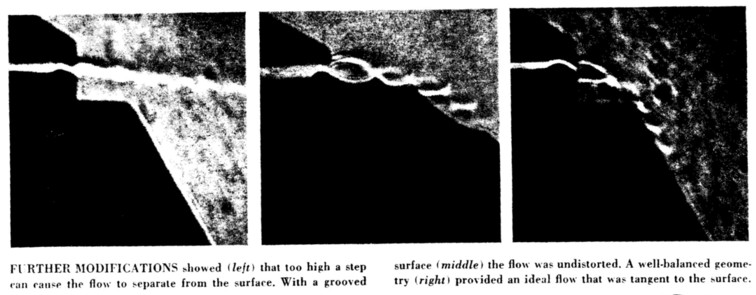
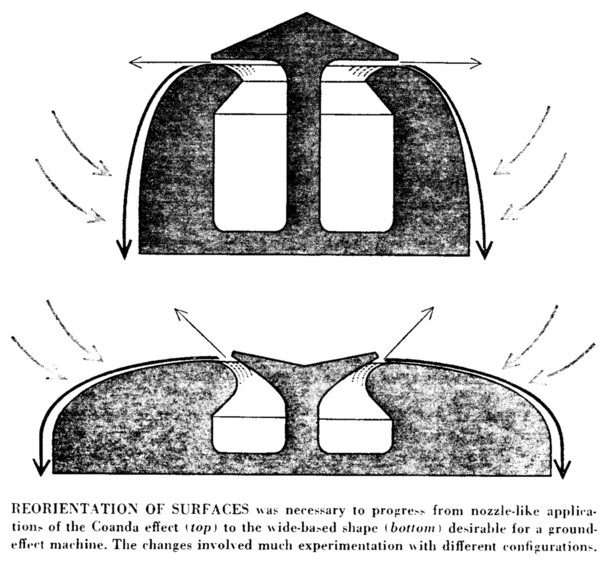
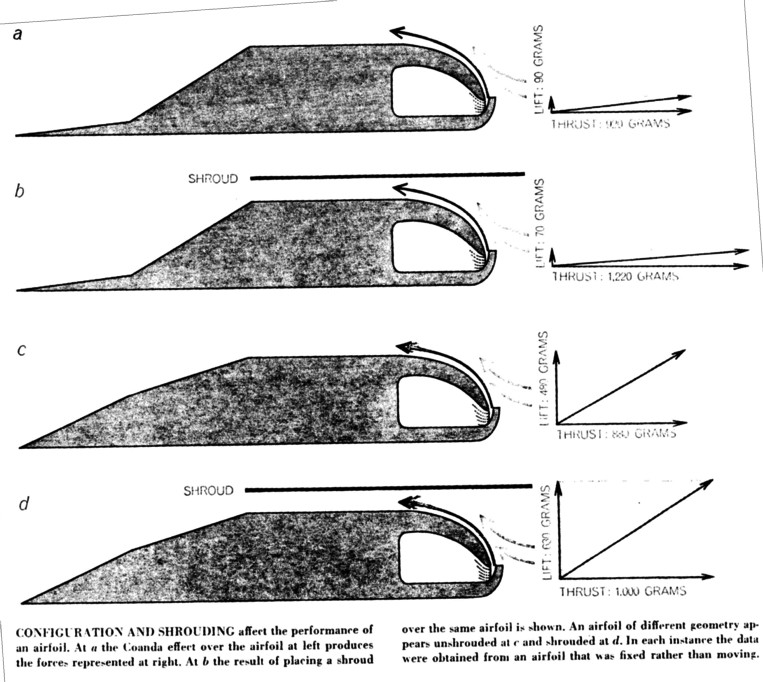
A high-velocity fluid sheet issued from a nozzle entrains surrounding fluid, creating suction. By placing a guiding flap on one side of the jet, the surrounding fluid flow is restricted, producing an unbalanced pressure that deflects the jet along a desired path. The flap geometry and inclination are chosen based on flow rate and velocity to achieve the required curvature.
Principles
- Coanda effect
- Boundary-layer attachment
- Pressure differential induced deflection
Scientific Domains
Materials
- Metal (nozzle, flap)
- Steel
- Aluminium
Mechanisms of Action
- Induced suction from entrained surrounding fluid
- Guiding flap creates pressure imbalance
- Jet follows the contour of the flap
Energy Sources
Applications
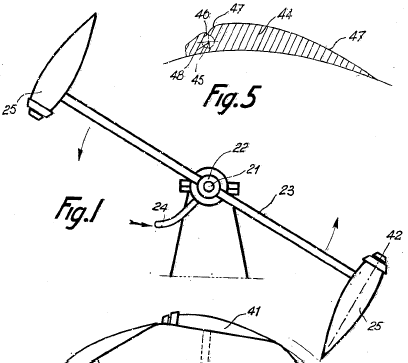
- Propulsion devices
- Jet-vectoring for aircraft
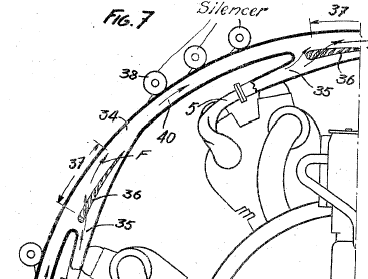
- Exhaust noise reduction
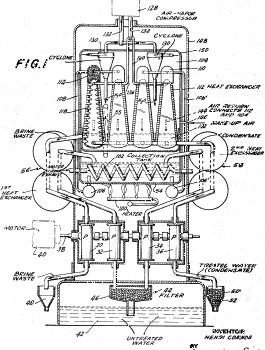
- Water purification systems
- Cyclone separators
Claimed Performance
The flap can produce strong suction and turn the issuing stream completely around its axis, eliminating forward impact.
Limitations
- Requires sufficiently high jet velocity
- Performance depends on precise flap geometry and positioning
- Limited to fluids that can be entrained (gases or liquids)