Goal
Produce high-protein biomass for food, animal feed, and biofuel while removing nutrients and contaminants from wastewater.
Problem
Nutrient pollution, food security, renewable energy scarcity, and water loss through evaporation.
Concept Summary
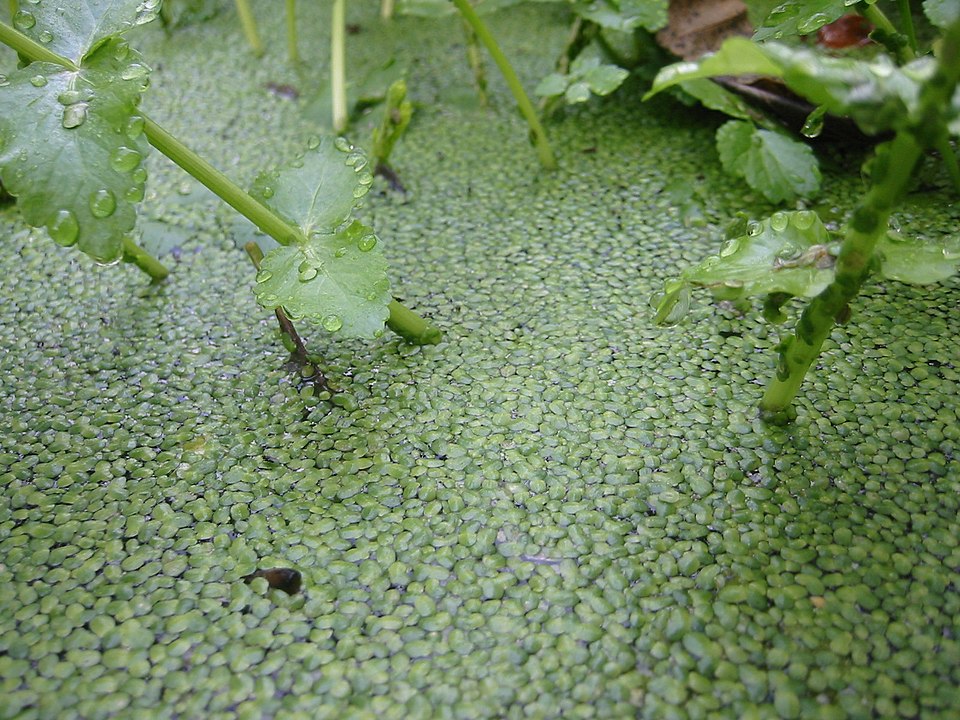
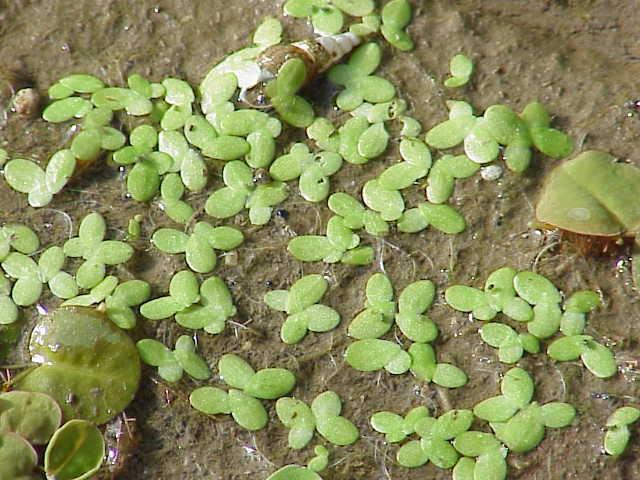
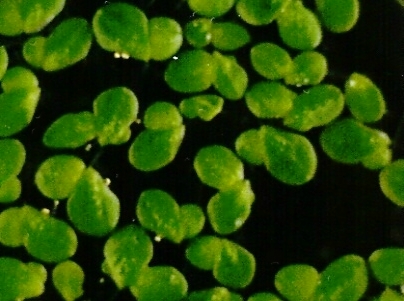
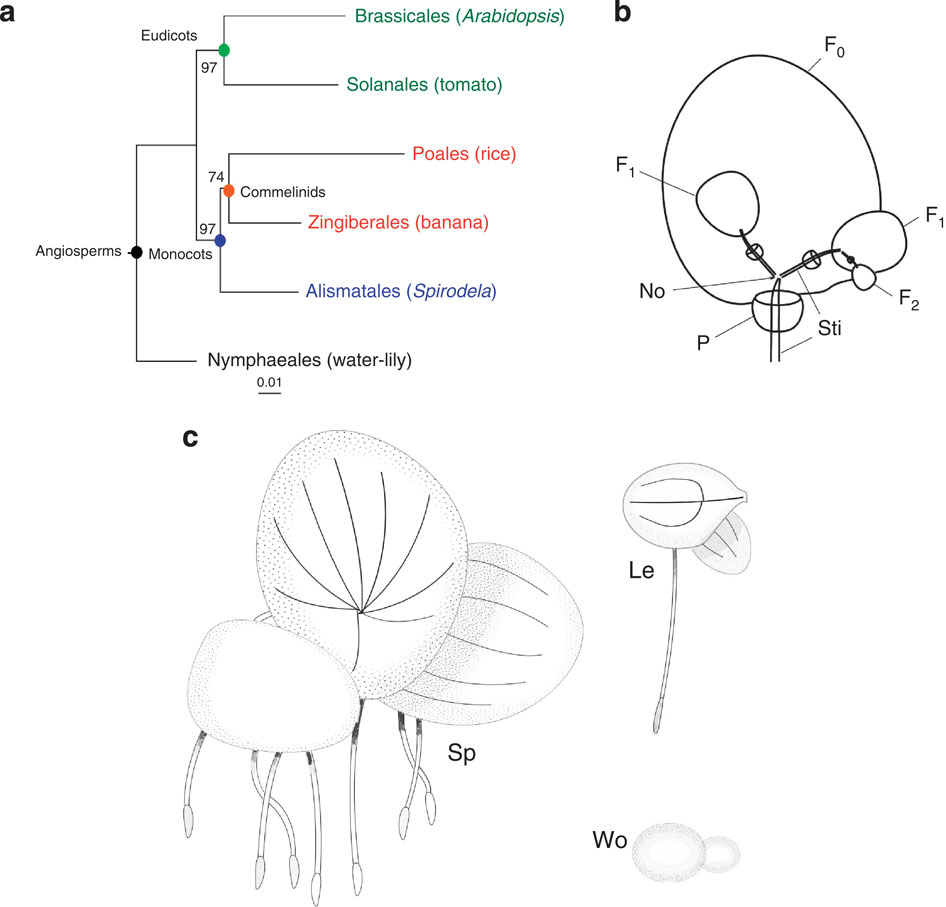
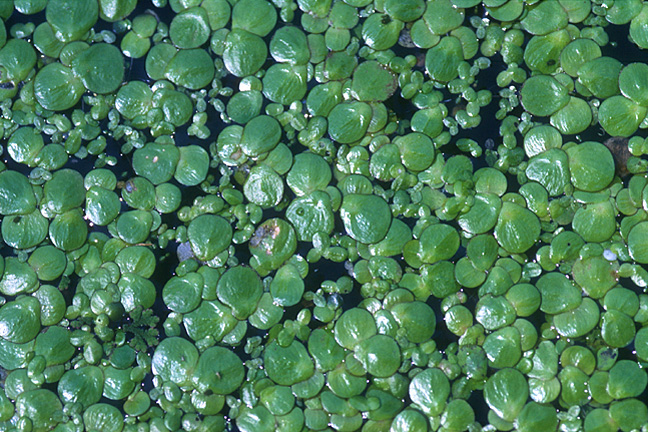
Duckweed (Lemnoideae) is a fast-growing aquatic plant that can be cultivated in indoor photobioreactors or open ponds. Systems mix treated water with nutrients, provide light (natural or artificial), and harvest the thallus biomass. The plant removes nitrogen and phosphates, produces starch for ethanol/biogas, and supplies protein-rich material for food or feed.
Principles
- Photosynthesis
- Rapid vegetative propagation
- Nutrient uptake (nitrogen, phosphorus)
- Starch accumulation for biofuel conversion
- Protein synthesis
Scientific Domains
Materials
- Water
- Nutrient salts (e.g., nitrate, phosphate)
- Gibberellin solution (for spore induction)
- Growth media components
Mechanisms of Action
- Carbon fixation via photosynthesis
- Absorption of dissolved nutrients from water
- Conversion of carbohydrates to starch
- Biomass harvesting for downstream processing
Energy Sources
Applications
- Human nutrition
- Animal feed
- Ethanol and biogas production
- Wastewater nutrient removal
- Water conservation
Claimed Performance
Biomass can double within 4.5 days; produces 5-6x more starch per unit area than corn; protein content 35-42 %.
Experimental Evidence
DOE genome project (2014) showed rapid growth genes; patents US2020060108A1 and US2023081407 describe indoor photobioreactor systems; multiple peer-reviewed studies report nutrient removal and biofuel yields.
Replication Status
Patented systems and several university projects (Rutgers, NCSU) are ongoing; a start-up (microTERRA) has demonstrated wastewater treatment in aquaculture farms.
Limitations
- Requires nutrient-rich water
- Potential invasiveness in natural ecosystems
- Harvesting and drying logistics
- Scale-up cost of indoor photobioreactors
Red Flags
- Invasive species potential in low-nutrient water bodies
- Risk of uncontrolled spread if not contained