Goal
Provide a self-running power source capable of lighting a 300 W load without external fuel.
Problem
Lack of portable, reliable power in post-WWII conditions and the desire for a free-energy source.
Concept Summary
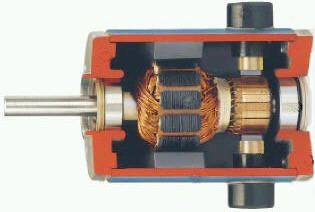
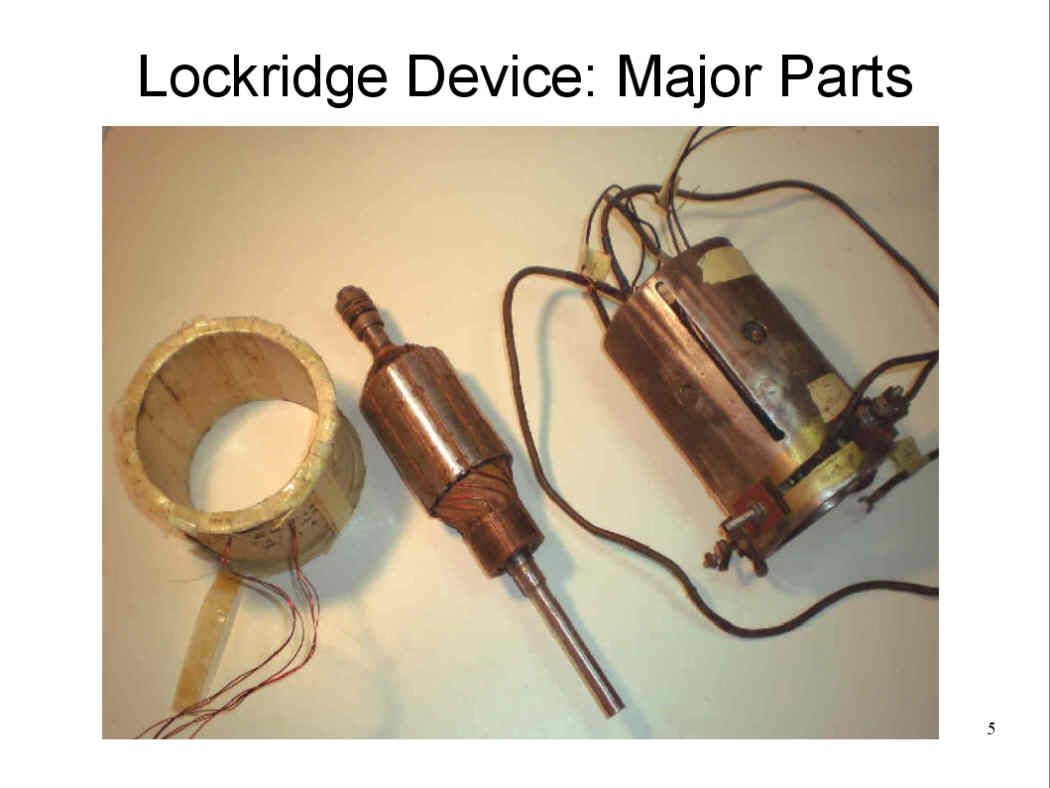
The Lockridge Device is a modified automotive DC generator that combines a motor, a generator, a flywheel, a capacitor, and a three-winding inductor. It is claimed to run autonomously, delivering about 300 W to a bank of light bulbs by extracting excess energy from an undefined "vacuum" or by reducing back-EMF in the motor.
Principles
- electromagnetic induction
- back-EMF reduction
- low-back-EMF motor operation
- vacuum energy extraction (claimed)
Scientific Domains
Materials
- copper wire
- steel (generator housing)
- permanent magnet steel
- waxed butcher paper (capacitor dielectric)
- incandescent light bulbs
Mechanisms of Action
- motor-generator coupling
- capacitor discharge
- inductor energy storage
- modified commutator pulsing
Energy Sources
Applications
- Portable emergency lighting
- Off-grid power supply
Claimed Performance
Self-powered operation lighting a 300 W load; overunity (more output power than input) is claimed.
Experimental Evidence
Anecdotal reports of a WWII German device running a 300 W load, photographs of a modified Bosch 6 VT generator, videos of replica builds, but no surviving working model or quantitative measurements.
Replication Status
Replicas were reportedly built in the 1950s and by hobbyists, but no verified working units survive; replication claims are unconfirmed.
Limitations
- No surviving working model
- Lack of schematic or detailed theory
- Claims not supported by quantitative data
Red Flags
- Evidence consists mainly of anecdotal reports and videos
- No peer-reviewed publications or independent verification
- Potential for fraud or misinterpretation of normal motor behavior