Goal
Generate mechanical rotation and electrical power using a magnetic vortex, allegedly producing anti-Lenz and free-energy effects.
Problem
Need for efficient, low-power energy conversion and possible free-energy generation.
Concept Summary
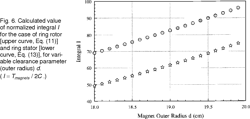
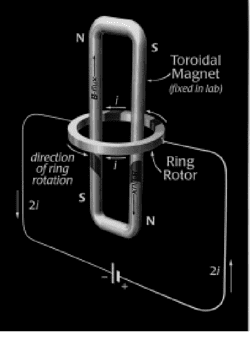
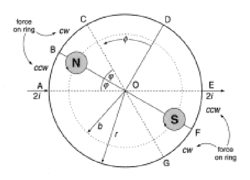
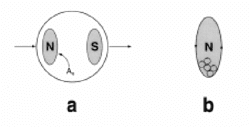
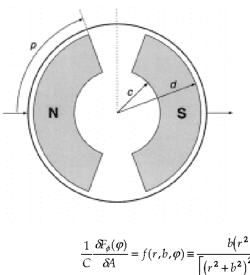
The MAGVID uses a torus-shaped magnet rotor that minimizes magnetic flux cutting while enclosing a continuous coil stator. The device is claimed to operate via the magnetic vector potential (Aharonov-Bohm effect) or flux-leakage, producing rotation at several hundred RPM with only a few watts of input power and generating electrical output (hundreds of mW) that appears to run in the same direction as the drive voltage, suggesting an anti-Lenz effect.
Principles
- Magnetic vector potential (Aharonov-Bohm effect)
- Flux leakage
- Anti-Lenz effect
- Electromagnetic induction
- Centrifugal (centrifugal) forces
Scientific Domains
Materials
- Neodymium (or other strong) magnet material
- Copper wire (coil)
- Polymer (3-D-printed housing)
- Wood (flywheel)
- Ball bearings (steel)
Mechanisms of Action
- Interaction of rotating magnetic torus with stationary coil
- Induction of current via changing magnetic flux
- Possible exploitation of vector potential rather than Lorentz force
Energy Sources
Applications
- Low-power electricity generation
- Propulsion concepts
- Plasma shielding
Claimed Performance
Speeds of several hundred RPM at a few watts input; generator output several hundred mW at 2200 RPM; observed current in same direction as drive voltage (anti-Lenz).
Experimental Evidence
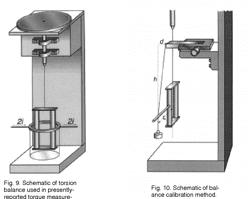
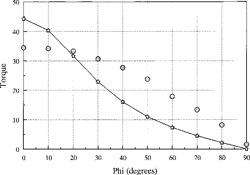
Video demonstrations of three motor versions achieving several hundred RPM; generator producing several hundred mW; Phipps observation that torque matches theory; author's own 3-D-printed builds showing operation.
Replication Status
Demonstrated in multiple videos and by independent observer (Phipps); no peer-reviewed independent replication reported.
Limitations
- Low absolute power output
- No independent, peer-reviewed verification
- Claims conflict with established electromagnetic theory
- Scaling to useful power levels unproven
Red Flags
- Free-energy and anti-Lenz claims lack rigorous quantitative data
- Reliance on anecdotal video evidence
- Potential violation of conservation of energy