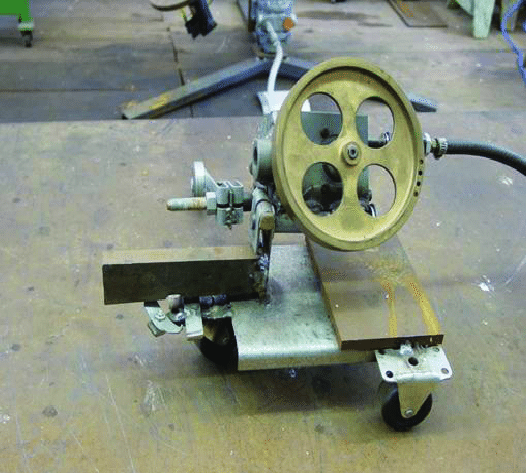
Goal
To generate high torque and power using gyroscopic precession, potentially providing a highly efficient energy source and propulsion method.
Problem
The need for compact, high-torque power generation and propulsion mechanisms with minimal energy input.
Concept Summary
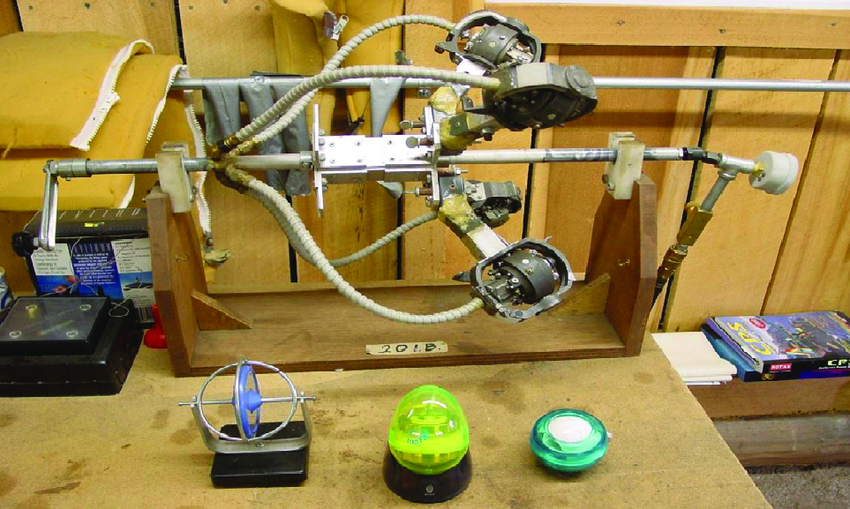
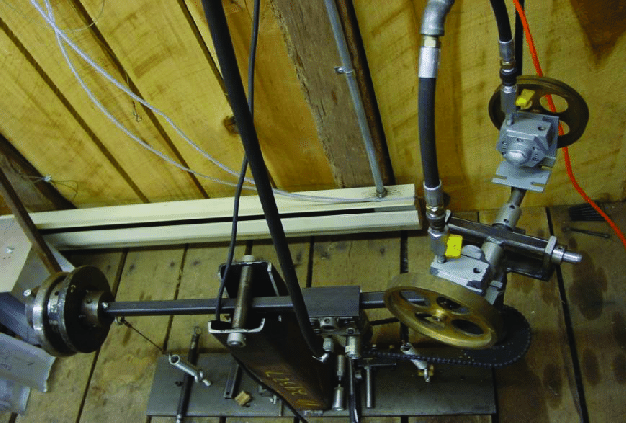
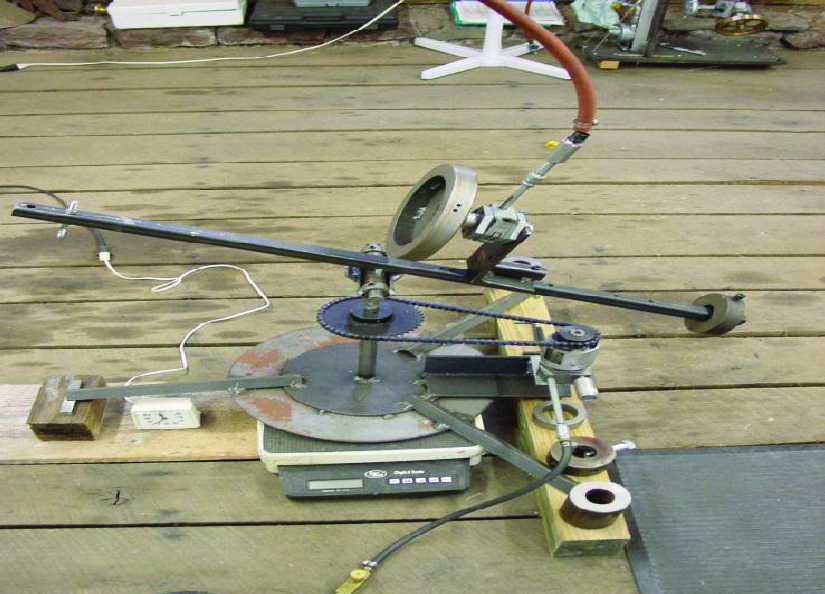
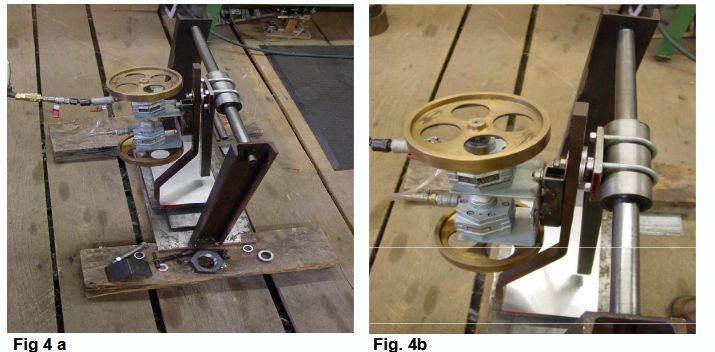
The invention employs rapidly spinning gyroscope wheels whose precessional motion is driven by a small input torque (e.g., a low-power DC motor or air motor). By exploiting forced precession and resonance effects, the system claims to amplify the output torque by orders of magnitude, achieving over-unity torque ratios (e.g., 1000x) and producing continuous rotational motion that can be harnessed for power or propulsion.
Principles
- Gyroscopic precession
- Angular momentum conservation
- Resonant torque amplification
- Forced precessional motion
- Inertial alignment of multiple gyros
Scientific Domains
Materials
- Steel gyroscope wheels
- Aluminum or steel crank arms
- Air-driven motor components
- DC electric motor
- Battery (6 V or 12 V)
- Gimbal mounts
Mechanisms of Action
- Input torque induces precession of high-speed gyroscope wheels
- Precessional forces are coupled to a crank or arm, multiplying torque
- Multiple gyros interact to create self-induced frequency and alignment effects
- Air pressure spins the gyros, providing the primary kinetic energy source
Energy Sources
Applications
- High-torque mechanical power generation
- Propulsion for vehicles or aircraft
- Demonstration of inertia and gyroscopic physics
Claimed Performance
Torque amplification up to 1000x (e.g., 50 lb x 25 in ~= 1250 in-lb output from 2.5 in-lb input), described as over-unity torque generation.
Experimental Evidence
Multiple demonstration videos (e.g., "Large Gyro Wheel Precesses at 1000X Torque", "Oscillating Crank", "Gyro Over Unity Dynamo") and a 2012 Physics Procedia paper describing >20 motion-force specimens.
Replication Status
No independent replication reported; only the inventor's own demonstrations are documented.
Limitations
- Lack of independent verification or peer-reviewed data
- Energy accounting not clearly demonstrated
- Scalability and efficiency unknown
- Potential mechanical wear (e.g., wheel ripping loose from welds)
Red Flags
- Over-unity torque claims without rigorous measurement
- Reliance on anecdotal video evidence
- No published, reproducible experimental data in mainstream journals