Goal
Generate continuous electrical power by harvesting atmospheric ions (and other sources) for remote or space applications.
Problem
Need for reliable, low-maintenance power sources where solar or conventional generation is insufficient, such as on Mars or in low-head water environments.
Concept Summary
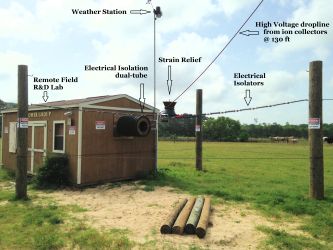
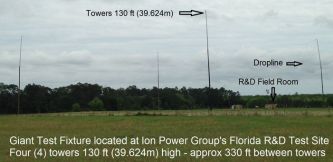
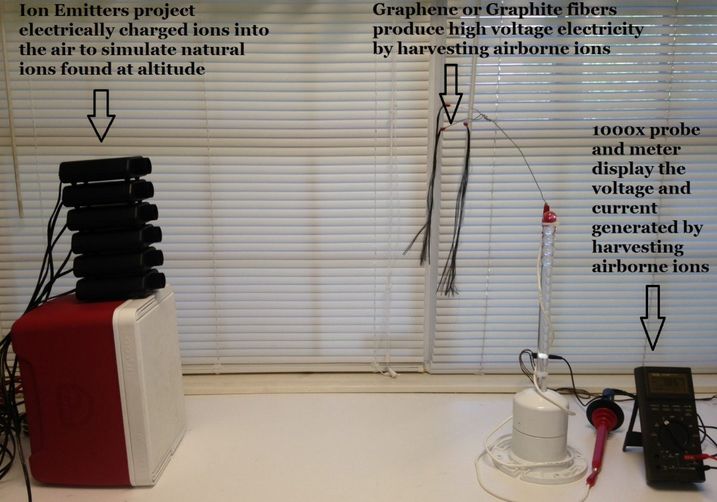
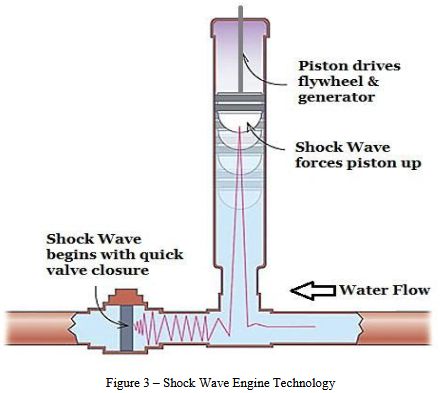
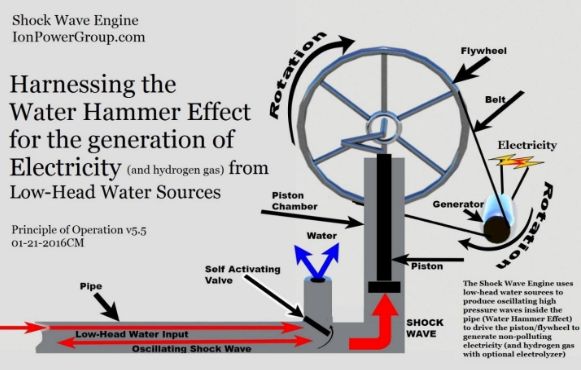
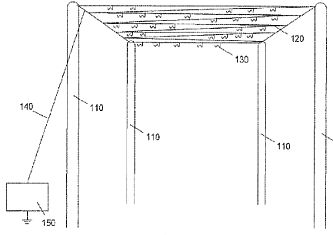
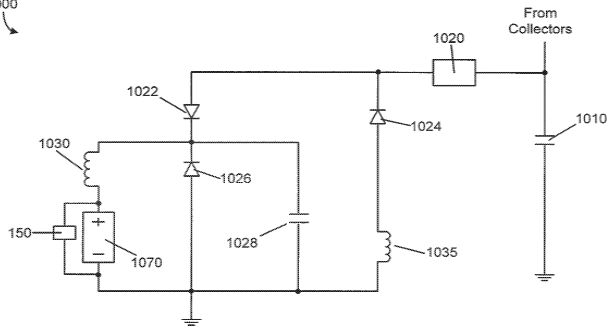
The technology uses suspended conductive fibers (carbon, graphite, graphene) that collect energy from ambient electric fields created by atmospheric ions or ionized particle mists. The collected charge is rectified by diodes and delivered to a load. Variants incorporate radioactive material to increase ionization, water-hammer shock waves, or electro-hydrodynamic mist injection to boost collection efficiency. An electrostatic motor enclosed in a hermetically sealed, gas-controlled chamber is also described, improving efficiency by stabilizing the internal atmosphere.
Principles
- Electrostatic induction
- Ion collection from ambient electric fields
- Electrohydrodynamics (mist-based charge capture)
- Water hammer effect (shock wave engine)
- Rectification using diodes
Scientific Domains
Materials
- Carbon
- Graphite
- Graphene
- Conductive fibers
- Radioactive material (unspecified)
- Water
Mechanisms of Action
- Atmospheric ion harvesting
- Electric field energy conversion via conductive fibers
- Radioactive-induced ionization
- Particle mist injection for charge enhancement
- Shock wave generation from low-head water flow
Energy Sources
Applications
- Power generation for Mars and other space missions
- Remote off-grid electricity
- Low-head water power generation
- Electrostatic motor drives
Claimed Performance
Duty-cycle approaching 100 %; described as a reliable power source for future NASA Mars missions; enhanced motor efficiency and kinetic power output with reduced input voltage.
Limitations
- Performance depends on ambient ion concentration
- Large fiber arrays may be required for significant power
- Scalability and cost not demonstrated
- Use of radioactive material raises regulatory concerns
Red Flags
- Reliance on patents and presentations without peer-reviewed data
- No independent replication or quantitative experimental results reported
- Claims of near-continuous duty cycle lack supporting measurements