Goal
Generate high concentrations of nanometer-scale bubbles (nanobubbles) in liquids for applications such as water treatment, cleaning, and ozone generation.
Problem
Need for efficient, scalable methods to produce stable nanobubbles that enhance mass transfer, oxidation, and cleaning processes.
Concept Summary
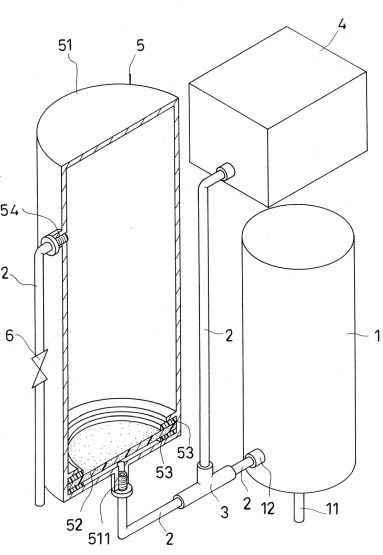
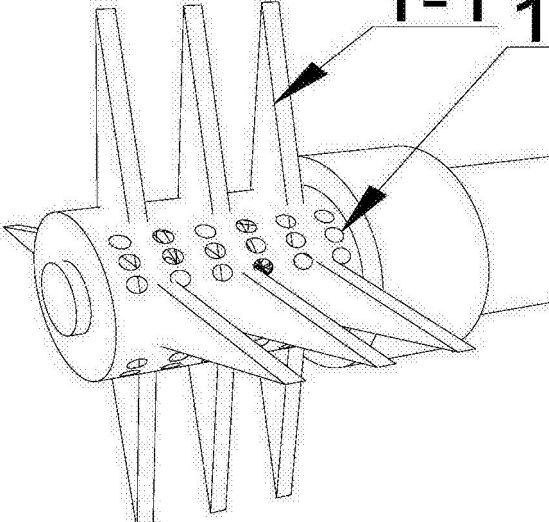
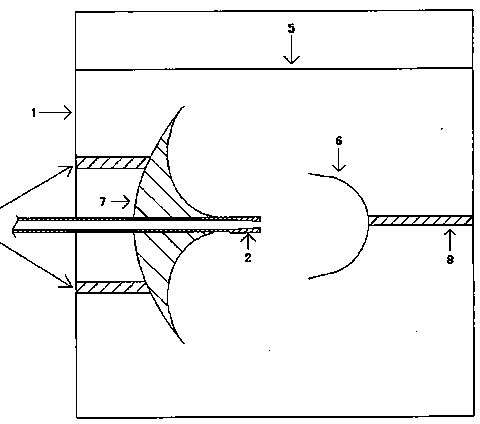
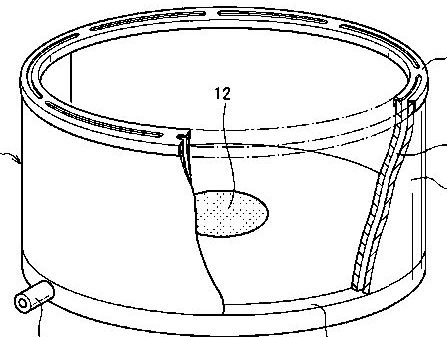
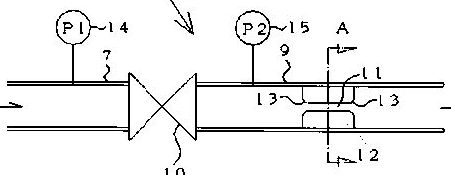
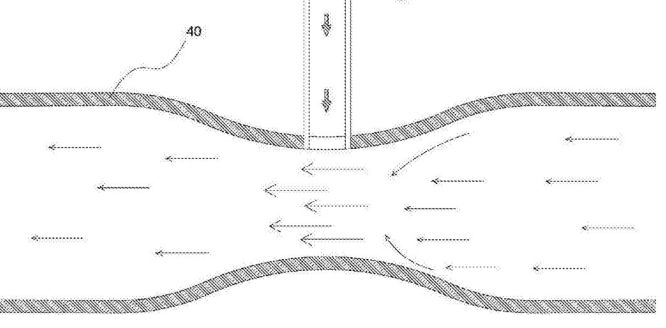
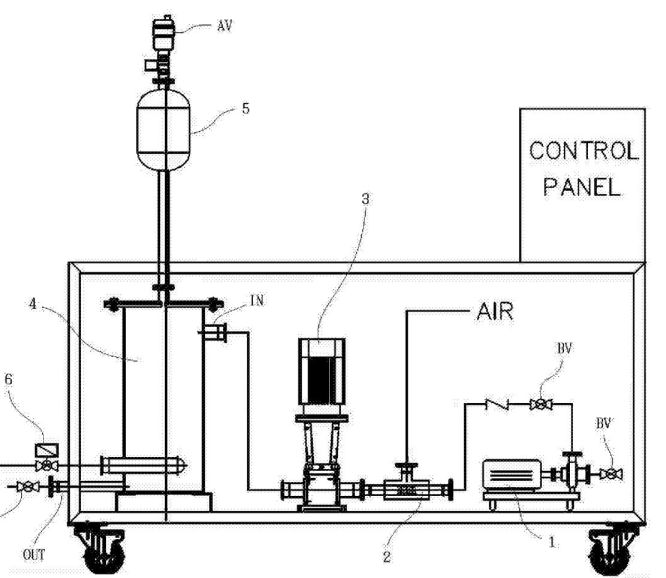
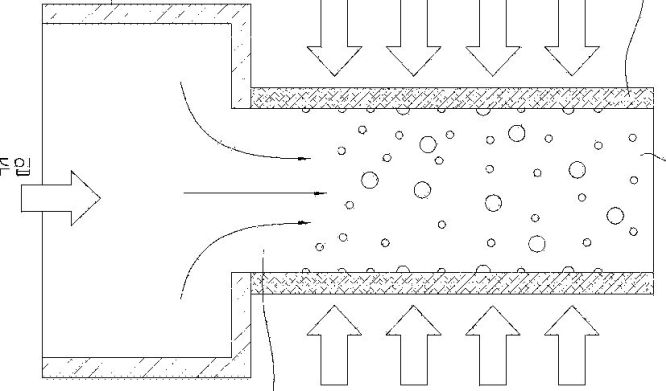
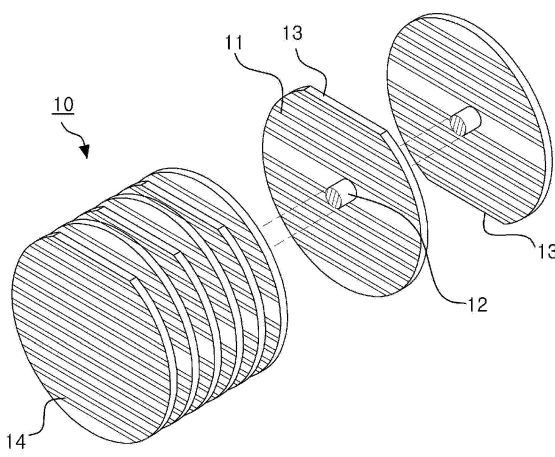
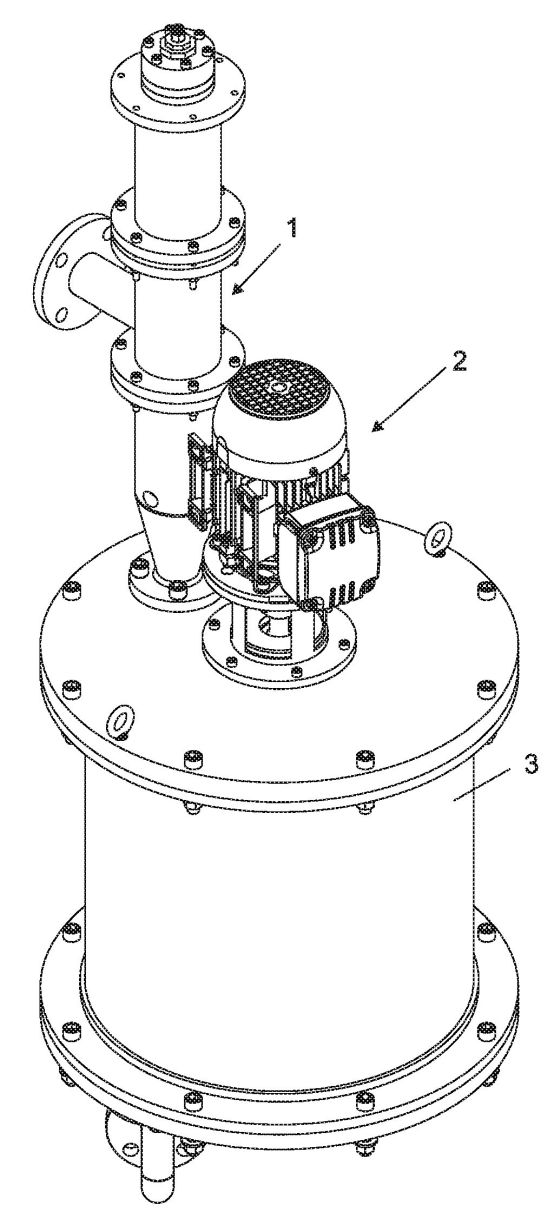
A family of devices and methods that create nanobubbles by exploiting pressure differentials, shear flows, ultrasonic or acoustic excitation, and the presence of nanoparticles or porous membranes. The patents describe various chamber geometries, cone-shaped inner surfaces, vacuum-assisted shear flow, and diffuser-less designs to nucleate and sustain bubbles in the 10-100 nm range.
Principles
- Pressure-induced cavitation
- Shear-flow nucleation
- Ultrasonic/ acoustic excitation
- Nanoparticle-seeded bubble formation
- Porous-membrane diffusion
Scientific Domains
Materials
- Stainless steel
- Aluminum alloy
- Ceramic porous membranes
- Silicon
- Nanoparticles (e.g., TiO_2, SiO_2)
- Rubber gaskets
Mechanisms of Action
- Rapid pressure drop creates supersaturation leading to bubble nucleation
- High-shear regions shear solid surfaces fragment larger bubbles into nanobubbles
- Acoustic waves induce cavitation at nanometer scales
- Nanoparticles act as nucleation sites for bubble formation
- Porous membranes generate micro-to-nano bubbles as gas passes through
Energy Sources
Applications
- Water purification
- Industrial cleaning
- Aquaculture oxygenation
- Ozone-enhanced disinfection
Claimed Performance
Ability to produce water containing a high concentration of very small (nanometer-scale) bubbles; some patents claim diffuser-less operation and enhanced ozone generation efficiency.
Limitations
- Scale-up and uniform bubble distribution
- Energy consumption for high-pressure or ultrasonic systems
- Potential fouling of membranes or surfaces