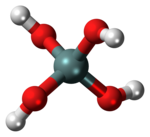
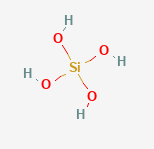
Goal
Assess the biological and therapeutic potential of ortho-silicic acid (H4SiO4) and its releasing compounds as a bio-available source of silicon for human health.
Problem
The physiological role of silicon is poorly understood and effective, bio-available silicon supplementation strategies are lacking.
Concept Summary
Orthosilicic acid (H4SiO4) is the most soluble, bio-available form of silicon in aqueous media. It can be released from various sources such as colloidal silica, zeolites, and stabilized formulations (e.g., choline-stabilized ortho-silicic acid, ch-OSA). The review compiles evidence that ortho-silicic acid supports bone mineralisation, collagen synthesis, skin, hair and nail health, and may influence cardiovascular, neuro-degenerative and metabolic disorders. Stabilisation (e.g., with choline chloride) prevents polymerisation and enhances bio-availability, making ch-OSA a practical dietary supplement.
Principles
- Bio-availability of monomeric silicon species
- Hydrogen-bond stabilisation of ortho-silicic acid
- Ion-exchange release from aluminosilicates (zeolites)
- Nutritional supplementation
Scientific Domains
Materials
- Orthosilicic acid (H4SiO4)
- Choline chloride
- Sodium silicate (Na2SiO3)
- Potassium silicate (K2SiO3)
- Colloidal silica (hydrated silica gel)
- Amorphous silica (SiO2)
- Zeolite A
- Clinoptilolite
Mechanisms of Action
- Incorporation of silicon into bone matrix and collagen fibres
- Modulation of prolyl-hydroxylase activity
- Interaction with trace elements (e.g., molybdenum, calcium)
- Potential synergistic effect with vitamin D and vitamin K
Applications
- Osteoporosis prevention and treatment
- Skin and connective-tissue health
- Hair and nail supplementation
- Cardiovascular health support
Claimed Performance
Supplementation with ortho-silicic acid (or ch-OSA) increased femoral bone mineral density in osteoporotic women and stimulated collagen synthesis in osteoblast-like cells.
Experimental Evidence
Placebo-controlled human studies showed 53 % urinary excretion of administered ortho-silicic acid; animal studies reported lower blood pressure in hypertensive rats and improved bone growth in silicon-deprived chicks; in-vitro work demonstrated increased collagen-type-1 synthesis in osteoblast-like cells.
Replication Status
Reported in multiple independent studies but no systematic replication program documented.
Limitations
- Limited quantitative dosage guidelines
- Variable bio-availability from different sources
- Potential interaction with other nutrients (e.g., vitamin K) not fully understood