Goal
To achieve self-motive power (perpetual motion) without external energy input.
Problem
The impossibility of creating a machine that sustains motion indefinitely, violating the conservation of energy.
Concept Summary
A historical survey that classifies and explains past attempts at self-motive (perpetual-motion) devices, describing the mechanical principles they relied on and why they failed.
Detailed Description
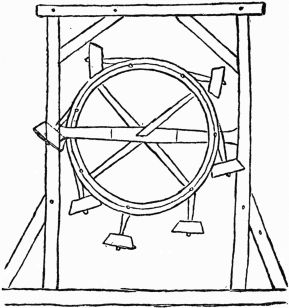
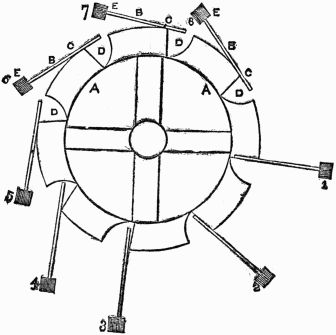
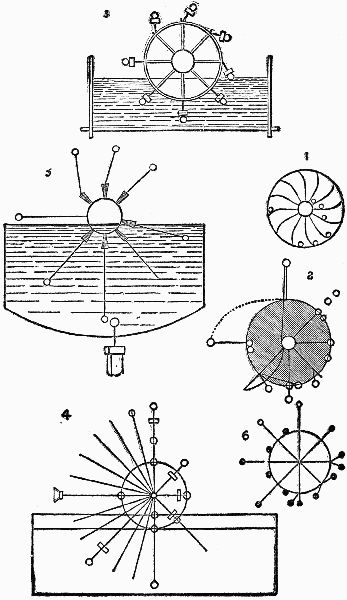
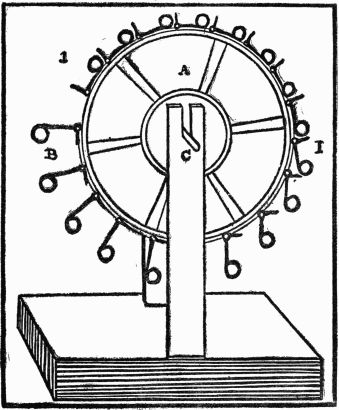
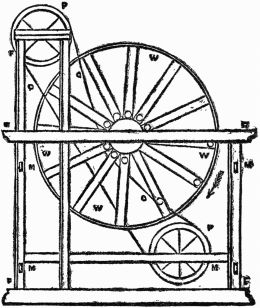
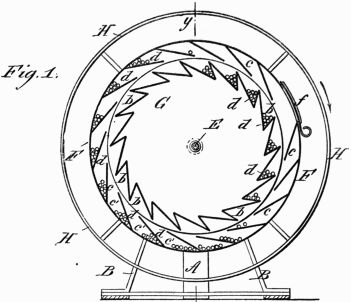
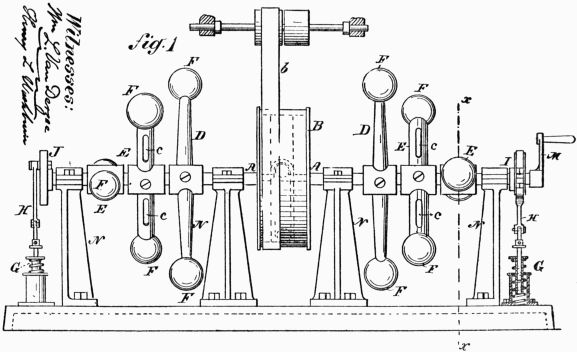
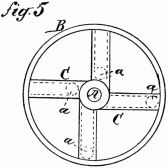
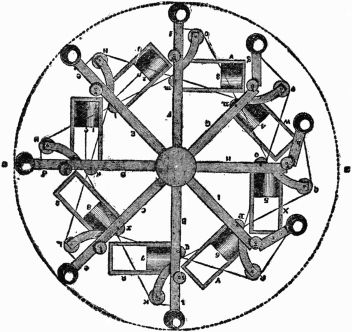
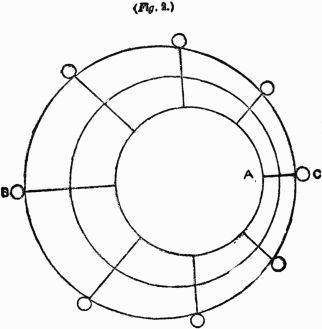
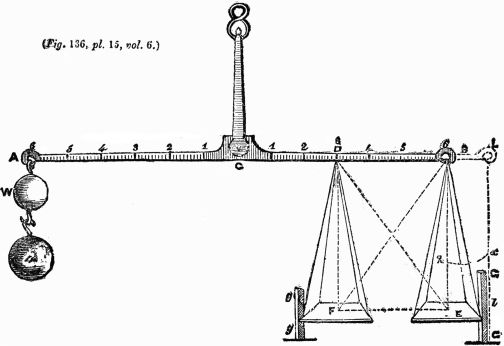
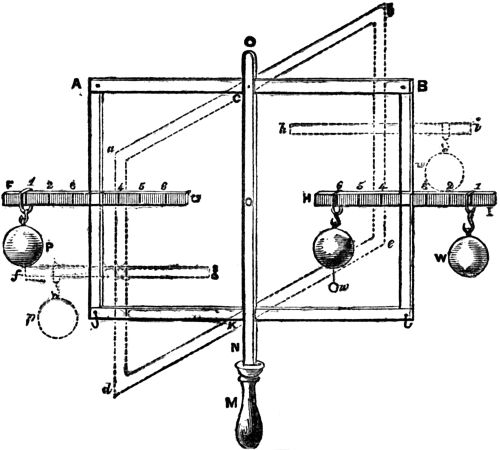
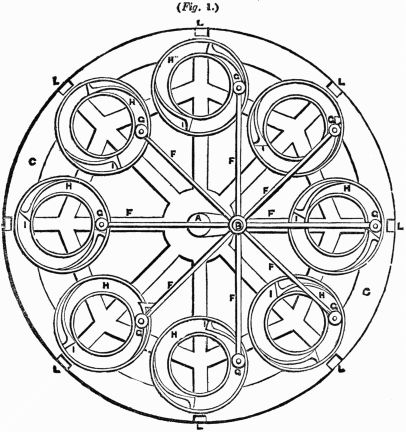
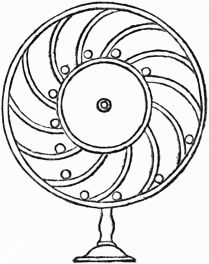
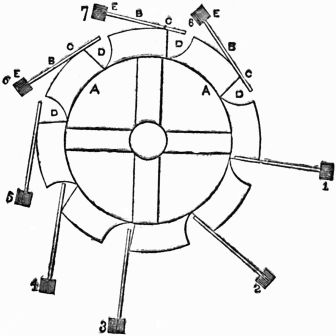
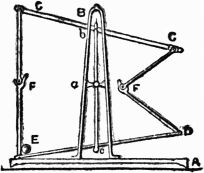
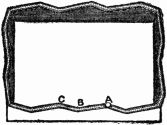
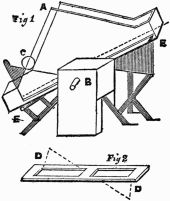
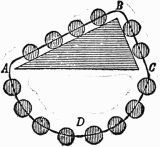
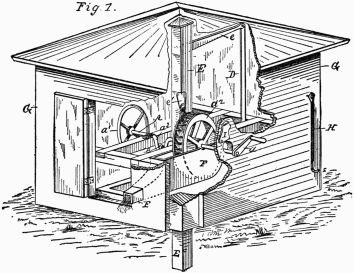
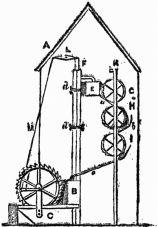
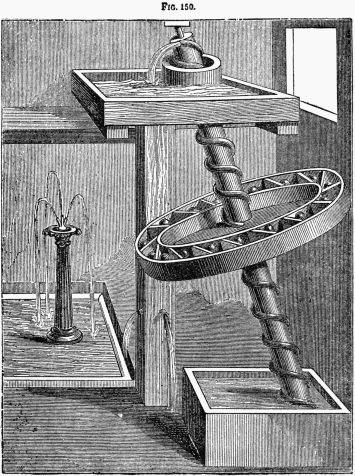
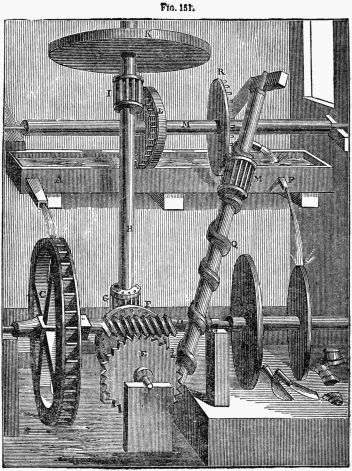
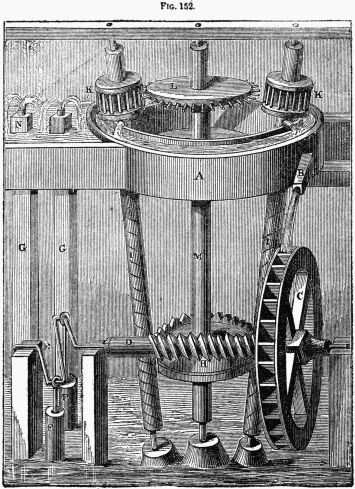
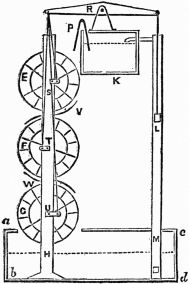
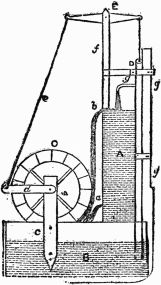
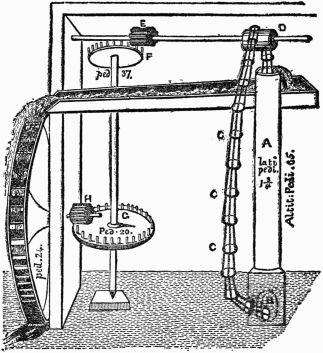
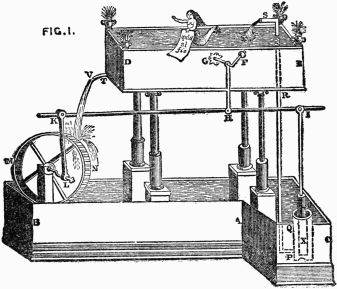
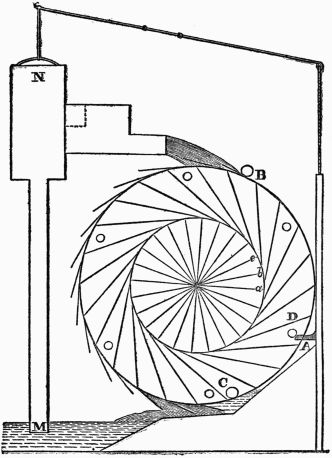
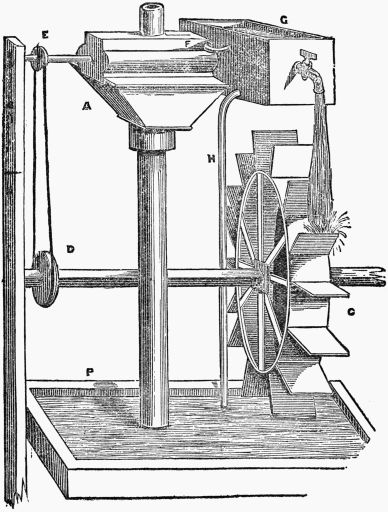
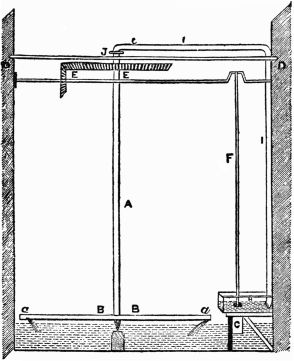
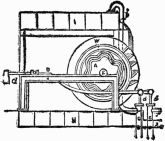
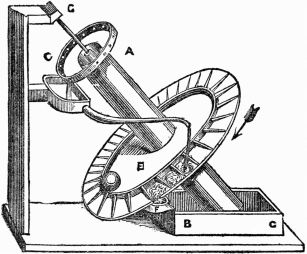
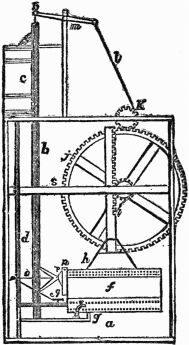
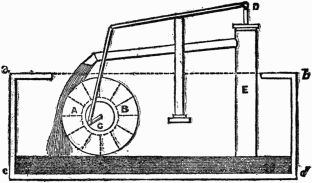
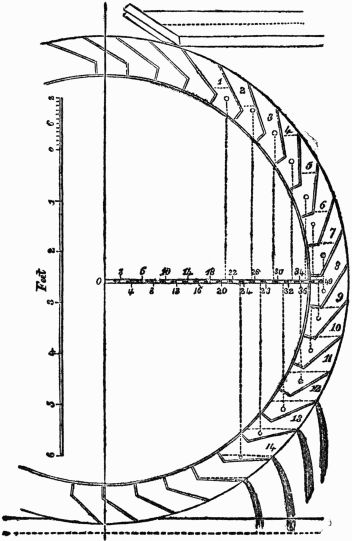
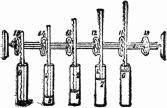
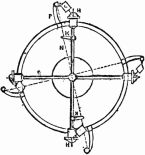
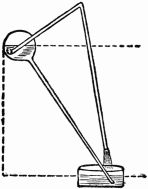
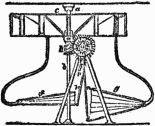
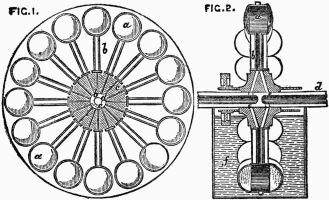
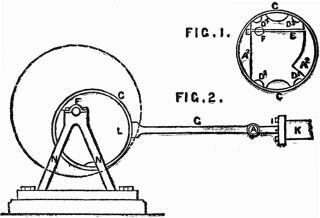
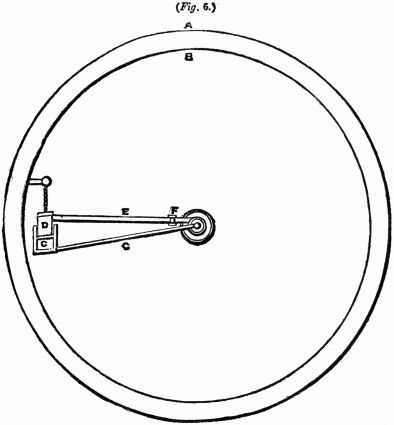
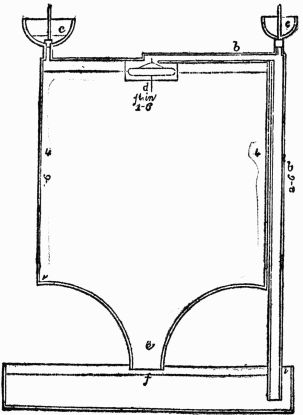
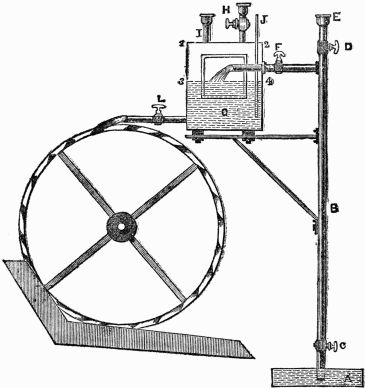
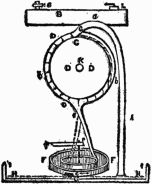
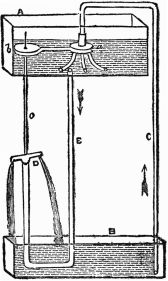
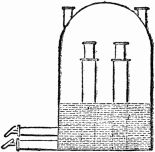
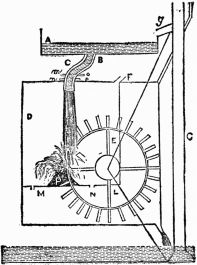
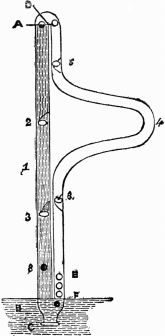
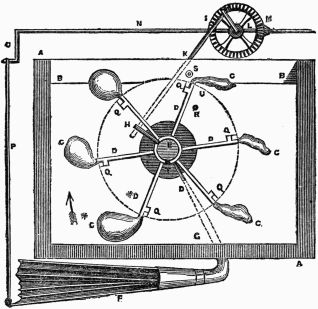
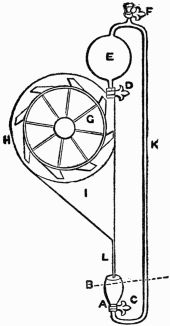
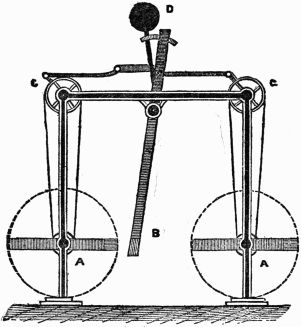
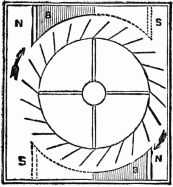
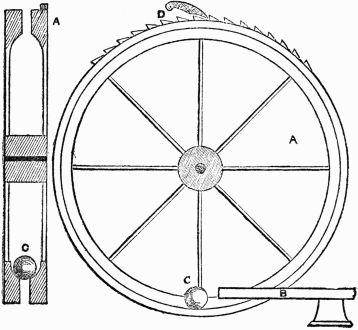
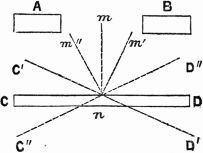
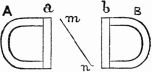
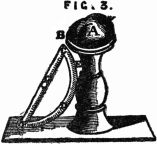
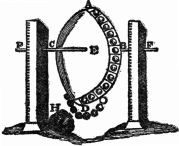
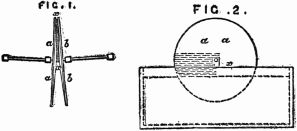
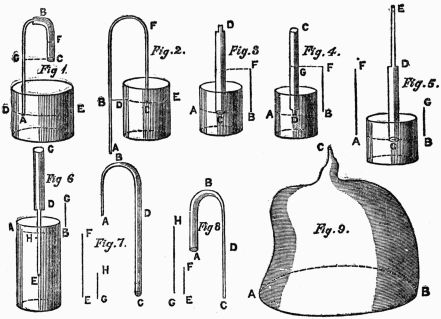
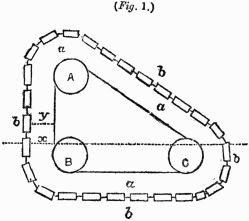
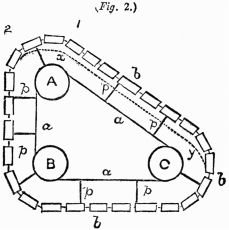
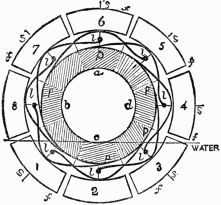
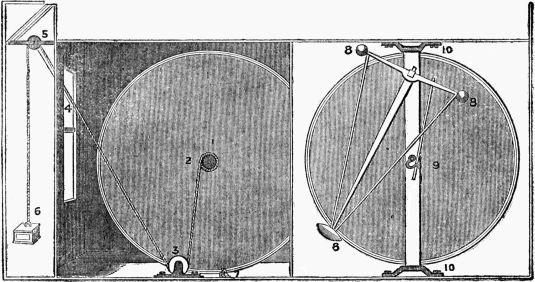
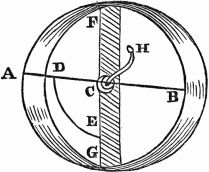
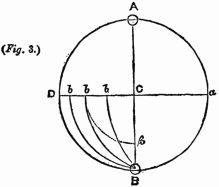
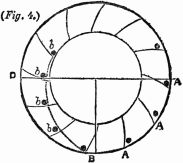
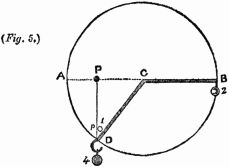
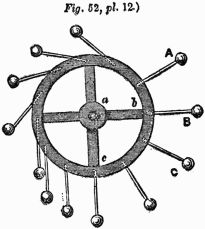
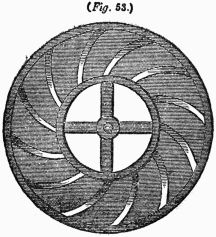
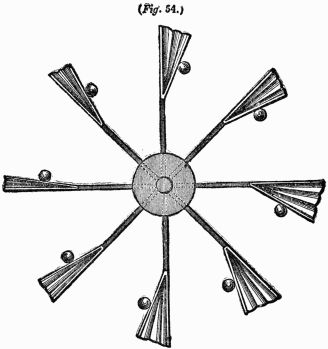
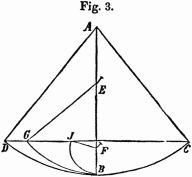
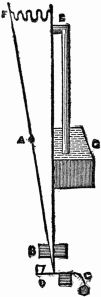
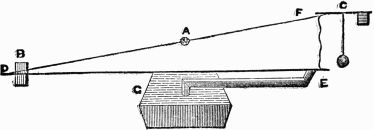
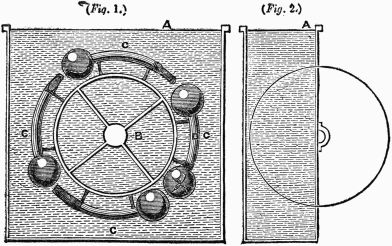
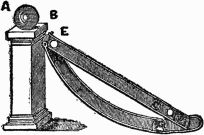
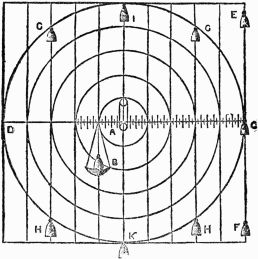
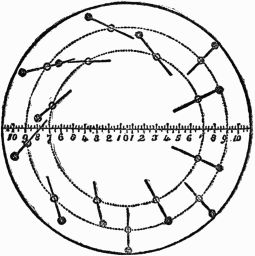
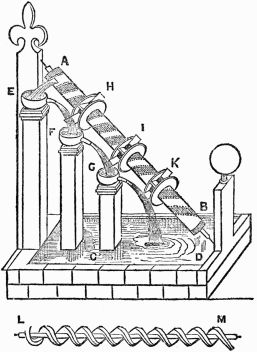
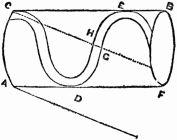
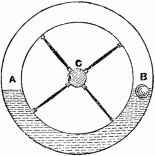
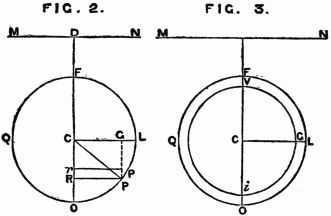
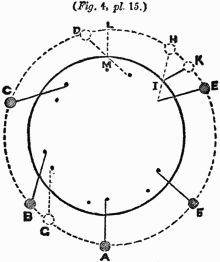
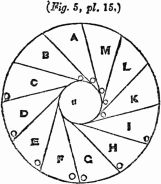
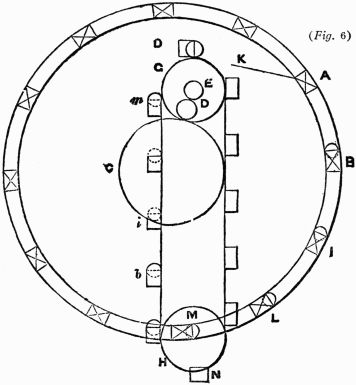
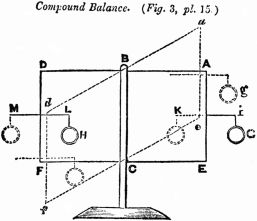
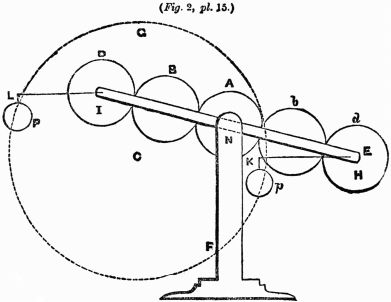
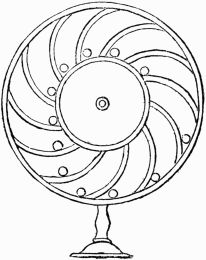
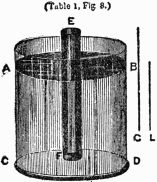
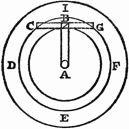
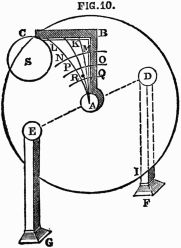
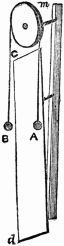
The book catalogues a wide range of historical perpetual-motion concepts - wheels and weights, rolling weights on inclined planes, hydraulic and hydro-mechanical arrangements, pneumatic and hydro-pneumatic devices, magnetic assemblies, capillary-attraction mechanisms, liquid-air systems, radium/radio-active sources, and misconceived momentum-energy schemes. For each class it presents illustrations, inventor descriptions, and a discussion of the underlying principle, concluding that all such devices have been demonstrated to be failures when tested.
Principles
- Gravity-driven weight descent
- Rolling weight on inclined plane
- Hydraulic pressure
- Pneumatic pressure
- Magnetic attraction/repulsion
- Capillary action
- Liquid-air expansion
- Radioactive decay energy
- Momentum-energy conversion misconceptions
Scientific Domains
Materials
- Metal (iron, steel, brass)
- Glass
- Liquid air (cryogenic fluids)
- Radium and other radioactive substances
- Water
- Wooden or stone weights
Mechanisms of Action
- Weight-driven rotation
- Water elevation and descent
- Hydraulic piston movement
- Pneumatic pressure differentials
- Magnetic field interactions
- Capillary suction
- Expansion of liquid-air
- Energy from radioactive decay
- Misapplied momentum-energy relations
Limitations
- Violates the conservation of energy
- No demonstrated successful device
- All historically reported devices failed when tested
Red Flags
- Claims of perpetual motion contradict established physics
- Absence of peer-reviewed experimental data
- Reliance on anecdotal historical reports