Goal
Transmit torque/power by solidifying a magnetic fluid under an applied magnetic field, providing a controllable, low-wear clutch.
Problem
Need for a clutch that can engage smoothly, transmit torque without direct mechanical contact, and be quickly disengaged without wear.
Concept Summary
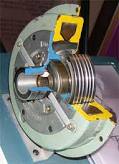
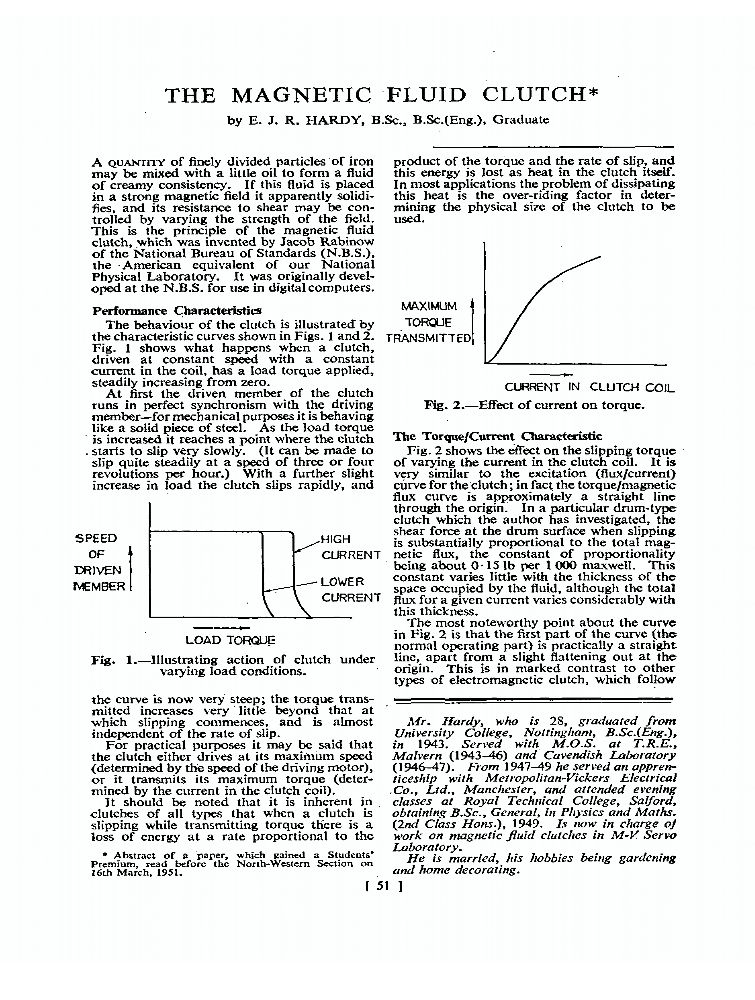
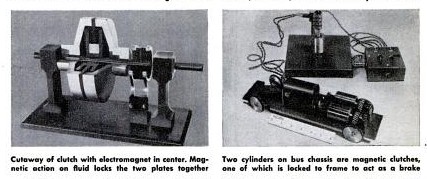
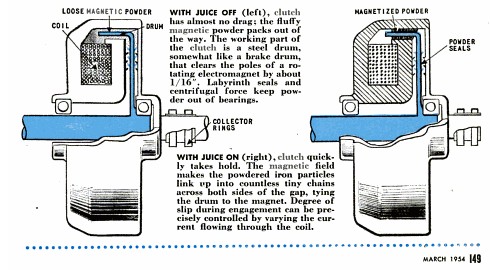
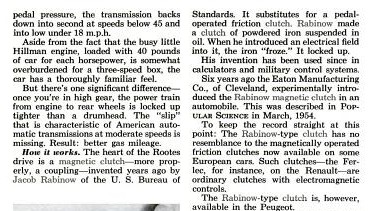
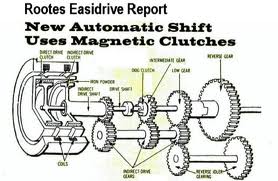
A suspension of ferromagnetic particles in a carrier fluid becomes highly viscous when a magnetic field is applied, causing the fluid to "solidify" and transmit torque between two rotating members.
Principles
- Magnetic field induced particle alignment
- Viscosity increase of carrier fluid
- Electromagnetic actuation
Scientific Domains
Materials
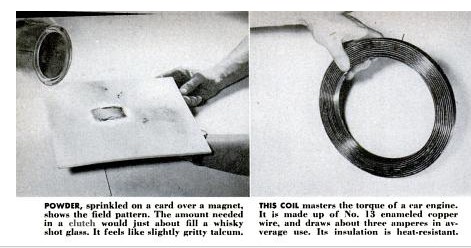
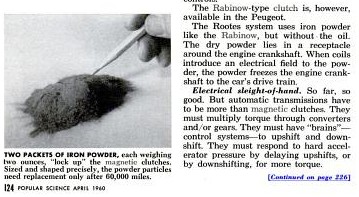
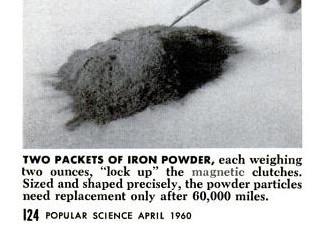
- Ferromagnetic particles (e.g., iron powder)
- Carrier fluid (oil or silicone)
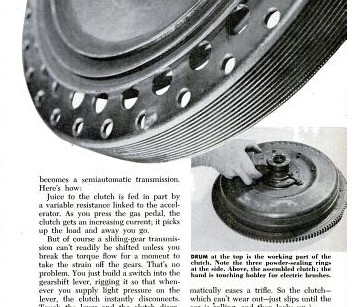
- Housing materials (metal, sealing gaskets)
Mechanisms of Action
- Ferromagnetic particles align along magnetic field lines
- Aligned particles form a rigid chain network, coupling shear stress
- Electrical current creates the magnetic field
Energy Sources
Applications
- Tape drive torque coupling
- Disk drive spindle control
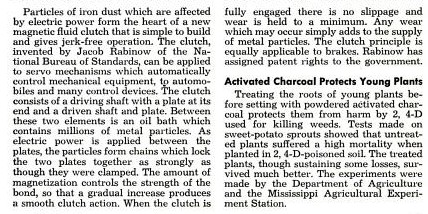
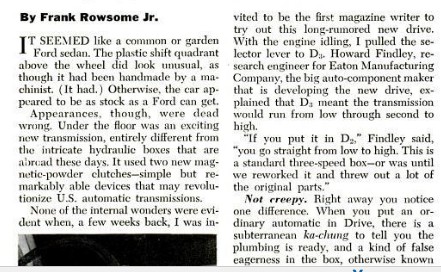
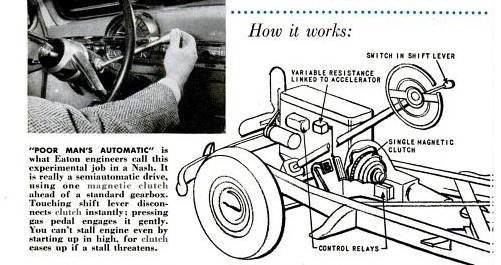
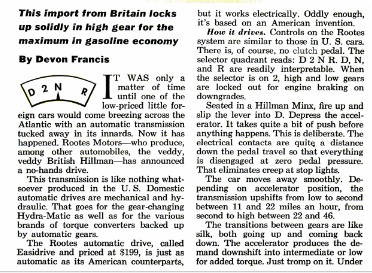
- Automotive clutch systems
- Industrial torque transmitters
Claimed Performance
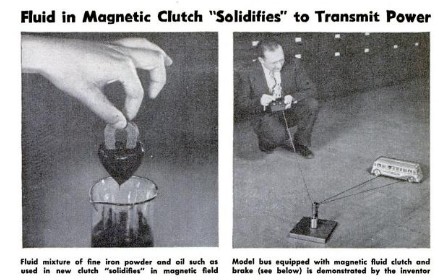
Clutch "solidifies" to transmit power on demand; used in tape and disk drives for precise torque control.
Experimental Evidence
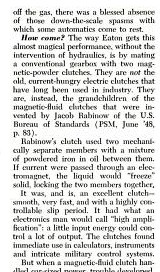
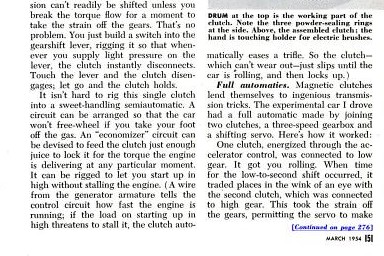
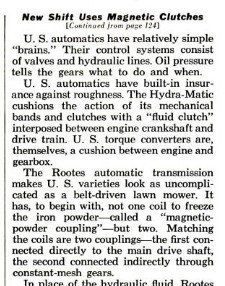
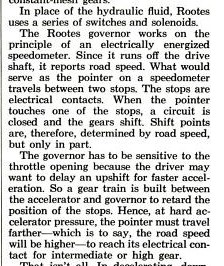
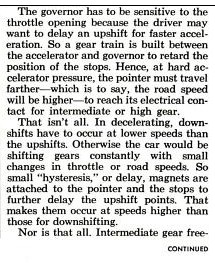
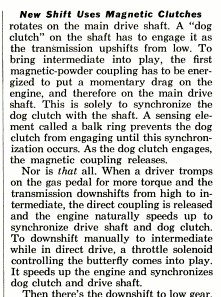
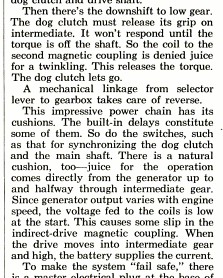
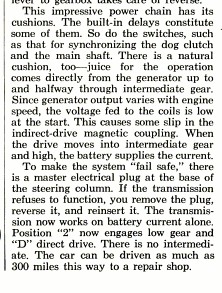
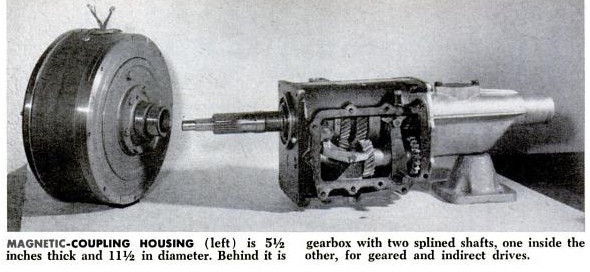
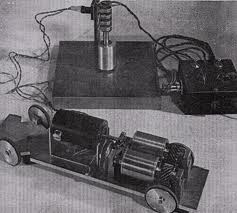
Prototype demonstrated in Popular Mechanics (June 1948) and described in multiple patents (e.g., US 2575360, CA 584402).
Replication Status
Patented and commercially employed in magnetic and disk drives; exhibited at NIST museum.
Limitations
- Requires continuous electrical power for engagement
- Potential fluid leakage or particle sedimentation over time
- Performance can be temperature-dependent