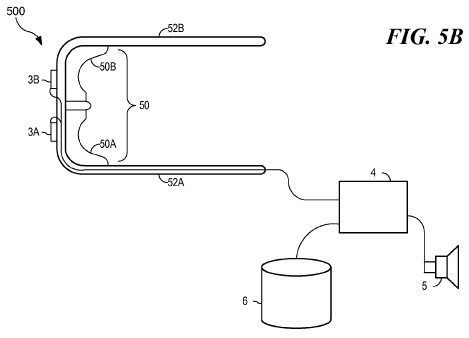
Goal
Detect the electromagnetic energy emitted by the human eye (the "eyebeam") and use it as a switch to control electrical devices.
Problem
Lack of a low-cost, non-contact method to measure and utilize the line-of-sight electromagnetic beam purportedly emitted from the ocular cavity.
Concept Summary
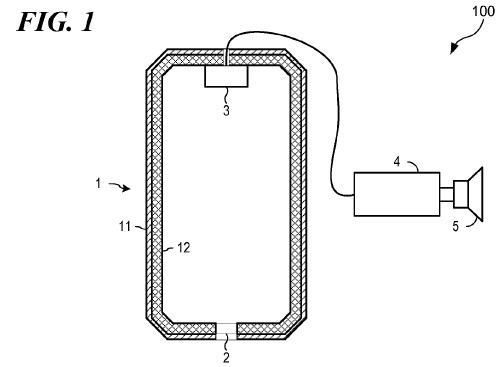
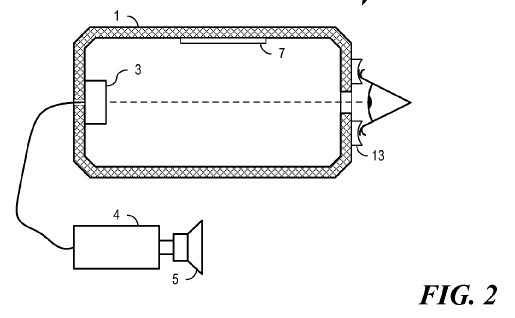
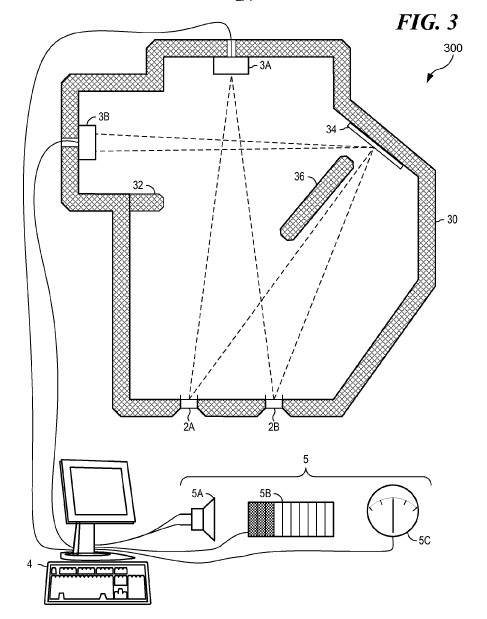
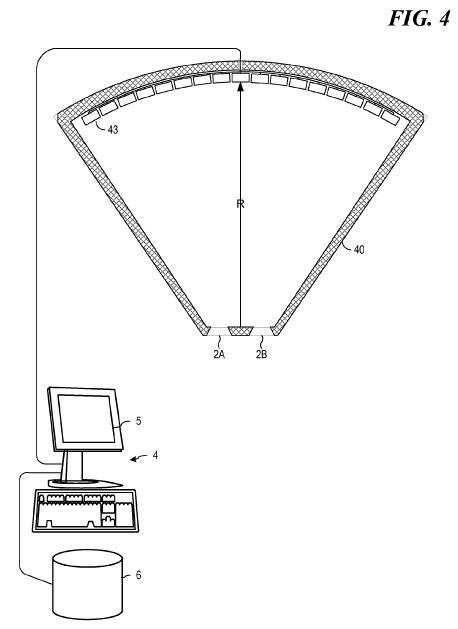
A line-of-sight electromagnetic beam detection system that uses a non-contacting EEG electrode (active-dry or high-impedance) placed inside an electromagnetically shielded enclosure with a portal for the eye. The electrode senses the purported eye-emitted beam, a signal is processed by a computer, and a feedback device (auditory/visual or a switch) is activated.
Principles
- Electromagnetic field detection
- Non-contact EEG electrode sensing
- Line-of-sight (LOS) beam measurement
Scientific Domains
Materials
- polypropylene
- aluminum
- cardboard
- wood
- mu-metal
- nickel-iron alloy
- copper
- molybdenum
- tin
- gold
- silver
Mechanisms of Action
- High-impedance EEG electrode detects electric field component of the eye-emitted beam
- Signal amplification and filtering in a processing unit
- Triggering of a switch or feedback device based on detected signal
Energy Sources
Applications
- Non-contact switch for electronic devices
- Potential diagnostic tool for ocular or neurological conditions
Claimed Performance
Can function as a switch responding to interaction with a line-of-sight beam emanating from an ocular cavity, similar to a clapper light but using eye-emitted energy.
Experimental Evidence
The patent application claims "experimental proof of the reality of the human eyebeam" but provides no quantitative data or independent verification.
Limitations
- No peer-reviewed or independently replicated data
- Possible interference from ambient electromagnetic noise
- Unclear physical mechanism of the claimed eyebeam
Red Flags
- Claims of paranormal abilities and a $1 Million Paranormal Challenge
- Lack of independent replication or peer-reviewed validation