Goal
To generate a new form of energy called "electroid" (etheroid) by electrostatic condensation of an unknown matter.
Problem
Lack of efficient energy sources and the desire for a novel, high-energy substance that can be stored and released.
Concept Summary
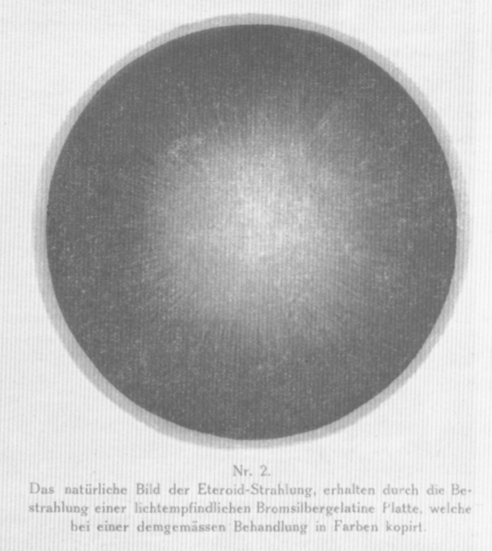
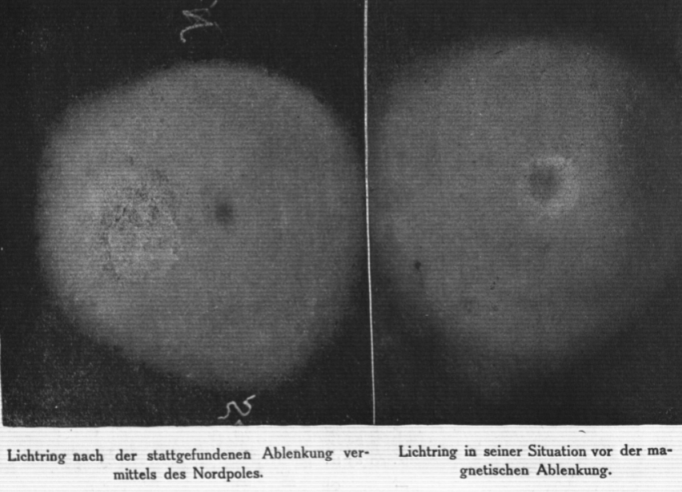
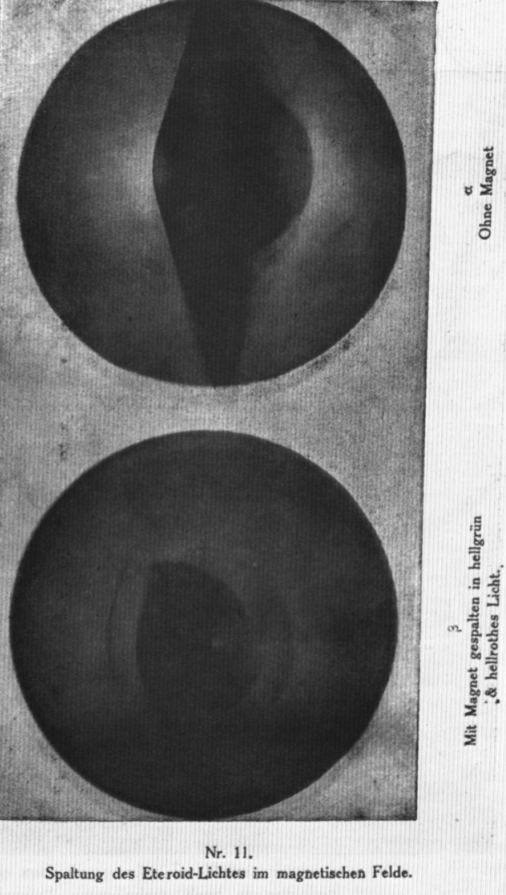
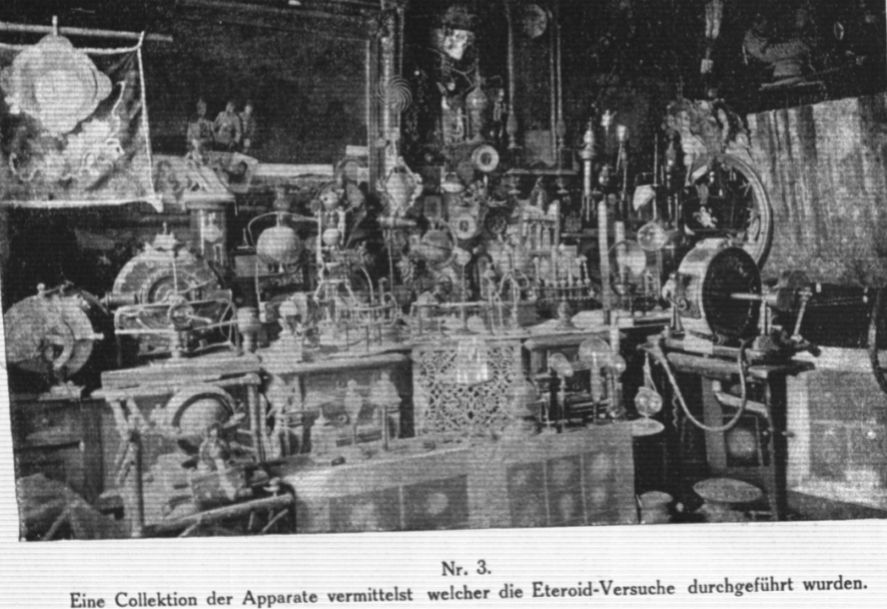
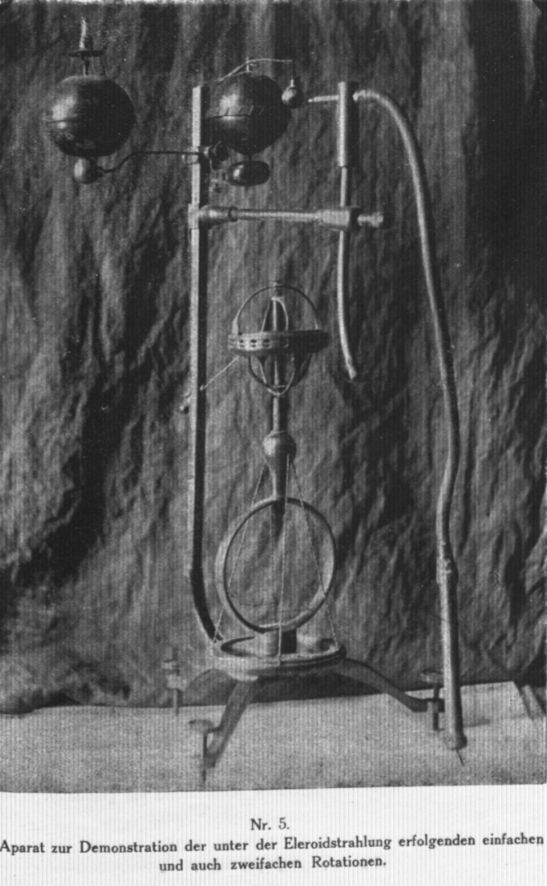
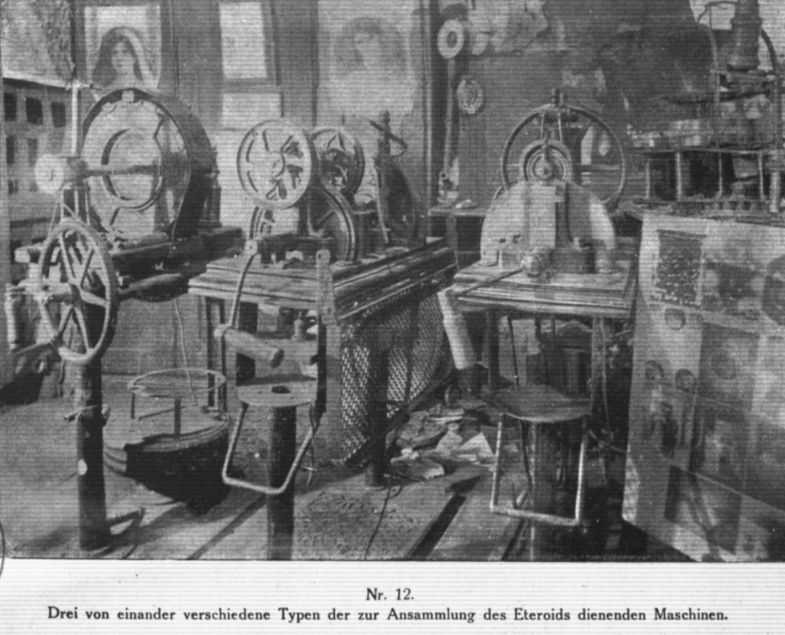
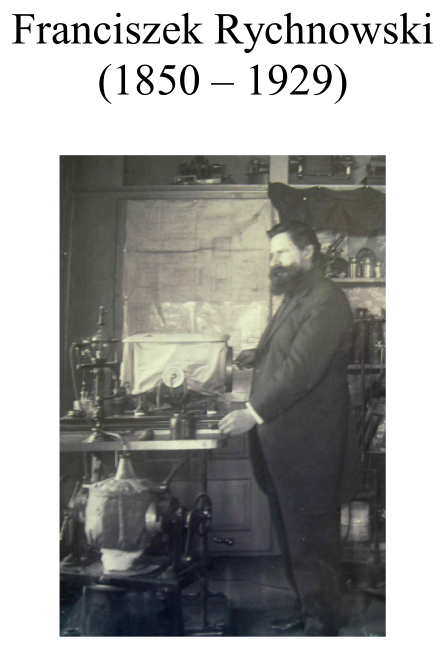
Rychnowski claimed that an electrostatic apparatus could condense an unknown ether-like substance (electroid) that floats in a tube, emits light, exerts pressure, and can be collected for later use. The electroid is described as a subtle, plasma-like matter that reacts to obstacles and can produce luminous and mechanical effects.
Principles
- Electrostatic generation
- Condensation of ether-like matter
- Plasma formation
- Electromagnetic pressure on vessel walls
Scientific Domains
Materials
- Glass tube
- Paper diaphragm
- Metal electrodes
Mechanisms of Action
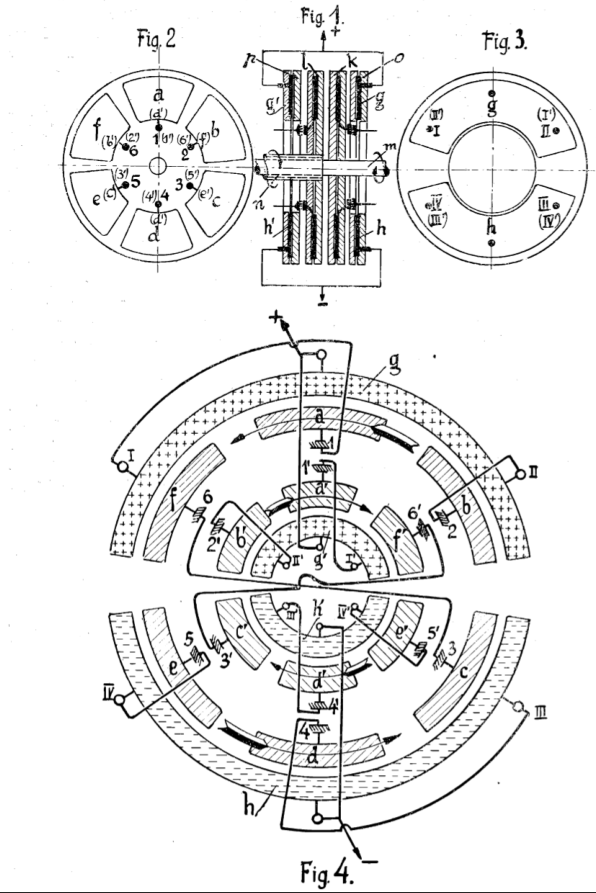
- High-voltage electrostatic fields induce condensation of a hypothesized ether substance
- Resulting electroid exhibits luminous emission and mechanical pressure
- Interaction with obstacles triggers release of kinetic and radiant energy
Energy Sources
Applications
- Energy generation
- Lighting
- Heating
- Potential therapeutic uses (historical claims)
Claimed Performance
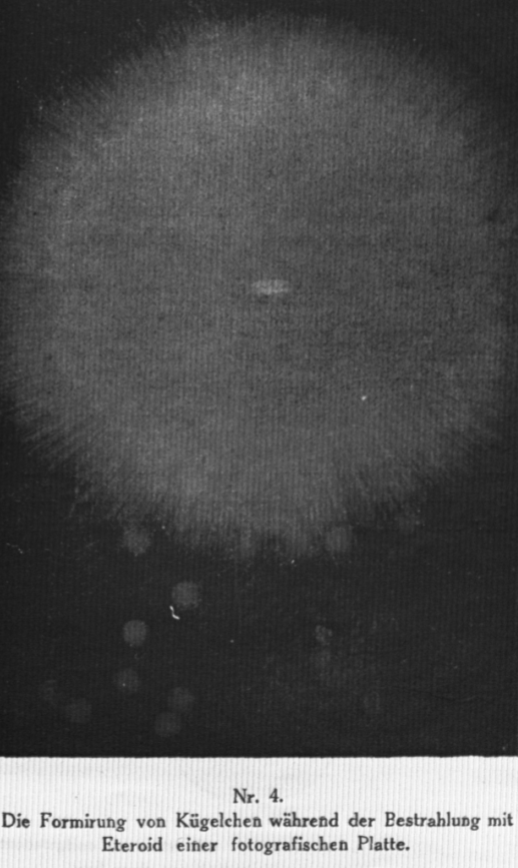
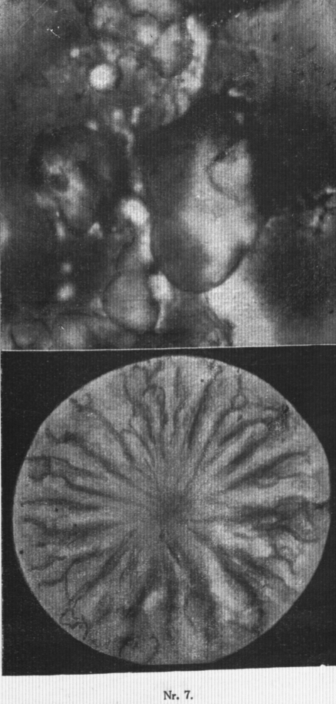
The electroid floats in the tube, creates a refreshing smell and cool breeze, breaks paper diaphragms with force, forms luminous balls that rotate and attract other objects, and can be stored for several days.
Experimental Evidence
Contemporary newspaper reports described the electroid as a "light ball" that floats, exerts pressure, breaks paper diaphragms, and produces a cool breeze. The inventor demonstrated the effect to journalists and a Lviv Polytechnic engineering committee, but no quantitative data were provided.
Limitations
- No peer-reviewed experimental data
- Unclear composition of the electroid
- Device construction details hidden by the inventor
- Lack of reproducibility
Red Flags
- Described as pseudoscience by modern scholars
- Claims of a new form of energy without quantitative evidence
- Secretive construction and lack of independent verification