Goal
Produce electrical power without conventional energy input, allegedly providing free or over-unity energy.
Problem
Need for alternative, low-cost energy sources and reduction of dependence on traditional power generation.
Concept Summary
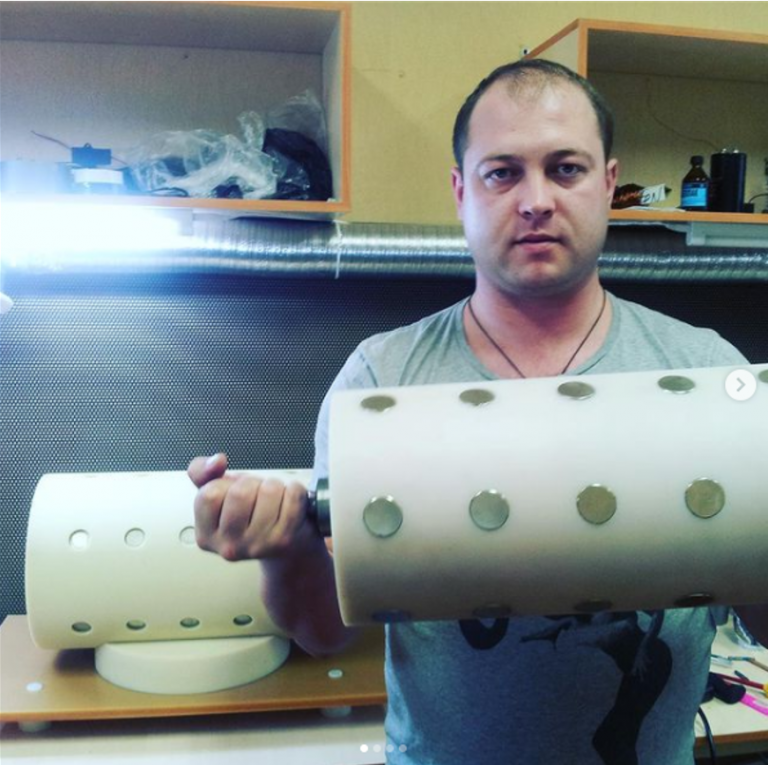
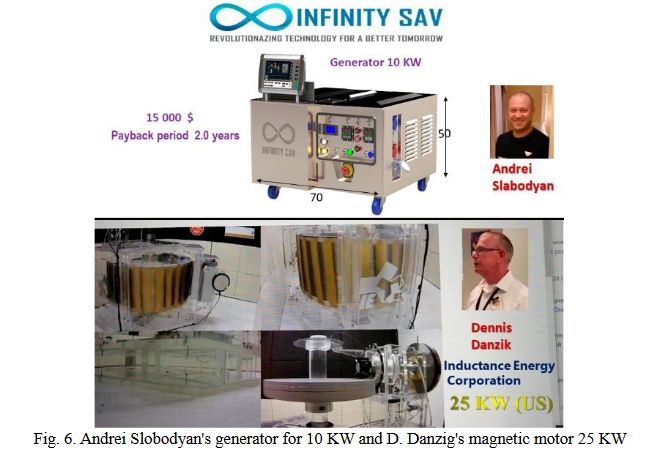
The invention consists of a rotating rotor bearing permanent magnets that induce current in surrounding coils. The inventor claims the device can deliver several kilowatts (e.g., 10 kW) to loads such as LED lamps or an electric-vehicle battery. The design is sometimes described as using bifilar or bucking coils, a fluid-weight inertial system, and a boiler-type heat-compression stage. Demonstrations are presented in photographs and videos, but independent verification is absent and many observers suspect hidden batteries or video manipulation.
Principles
- Electromagnetic induction
- Bifilar / bucking coil configuration
- Inertial force from fluid weight
- Boiler-type heat compression
- Thermoelectric conversion
Scientific Domains
Materials
- Rare-earth permanent magnets
- Copper wire coils
- Water / steam fluid
- Boiler housing (metal)
- Thermoelectric modules (e.g., BiTe)
- Plastic container for control electronics
Mechanisms of Action
- Rotating permanent magnets induce current in stationary coils
- Fluid mass provides additional inertial force to the rotor
- Compressed fluid generates heat that may be harvested
- Thermoelectric modules convert waste heat to electricity
- Potential hidden battery supplies auxiliary power
Energy Sources
Applications
- Electric vehicle battery charging
- Standalone power generation for lighting
- Hybrid power generation with heat recovery
- Thermoelectric waste-heat harvesting
Claimed Performance
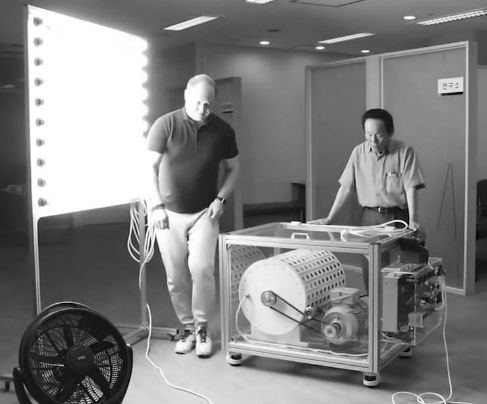
10 kW generator operating under load (lighting lamps), 300 x 3 W LED bulbs (~900 W) demonstrated, 1 kW tabletop demo, ability to charge an electric-vehicle battery.
Experimental Evidence
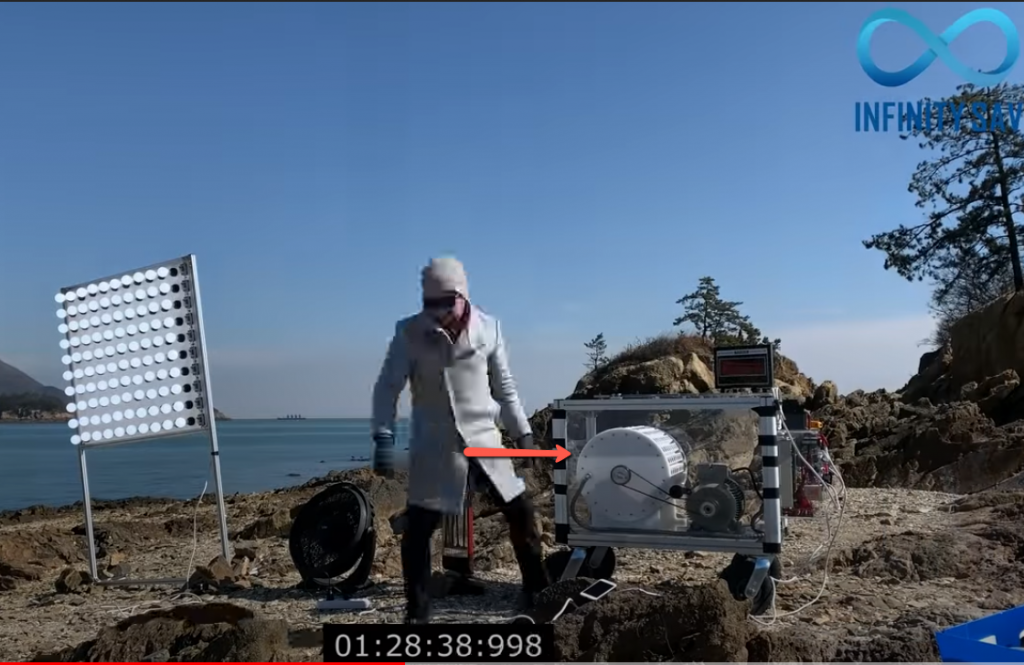
Photo Fig. 133 shows the generator powering lamps; 2019 video of a magnet generator charging an EV battery; outdoor 10 kW test video on a Korean island; tabletop demo video with the motor stopped by hand; multiple YouTube videos discussing the device.
Replication Status
No independent replication reported; performance claims are only presented by the inventor and his associates.
Limitations
- No peer-reviewed data or independent testing
- Possible hidden battery or external power source
- Inconsistent motor sound under load suggests no real power generation
- Safety concerns when stopping high-power motors with fingers
Red Flags
- Suspected hidden batteries powering the lights
- Video editing doubts (shadow line movement, possible reverse playback)
- Motor acoustic signature unchanged under heavy load
- Lack of any disclosed schematics or quantitative measurements