Goal
Convert wasted radiated magnetic energy into useful electrical power.
Problem
Large amounts of electromagnetic energy are radiated and wasted by conventional devices.
Concept Summary
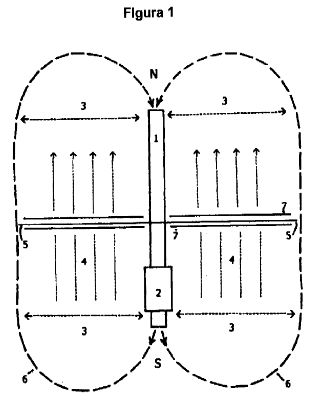
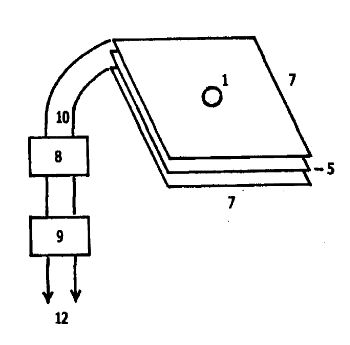
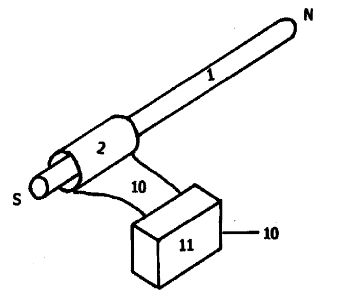
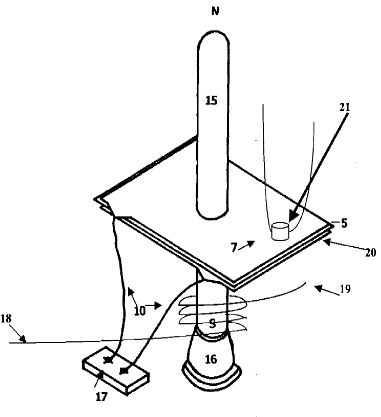
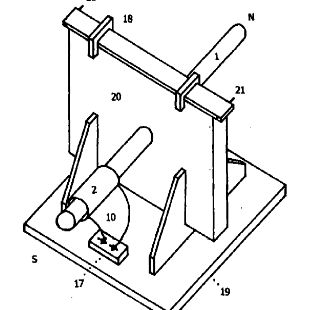
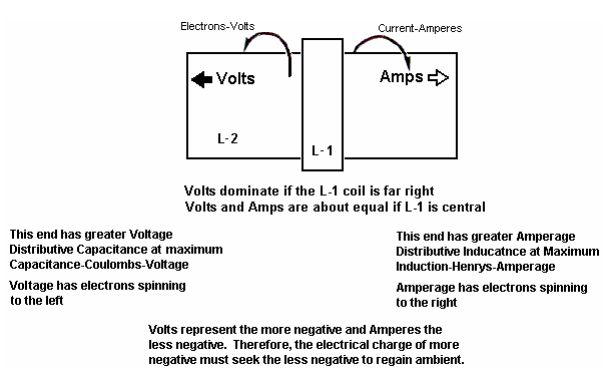
The invention is an electromagnetic dipole device that intercepts radiated magnetic flux with capacitor plates oriented at right angles. The magnetic waves induce a Heaviside displacement current in the capacitors, which is harvested as usable electrical energy. Multiple capacitor sets can be used to duplicate the full energy of the magnetic disturbance, allowing power output to exceed the input power needed to create the disturbance, resulting in a COP greater than 1.
Principles
- Magnetic resonance
- Capacitive displacement (Heaviside) current
- Dipole antenna coupling
- Resonant energy harvesting
Scientific Domains
Materials
- Metal rods (e.g., copper)
- Coils (copper wire)
- Plasma tubes
- Capacitor plates (dielectric materials such as barium titanate)
- Supercapacitor
- Microwave oven transformer
Mechanisms of Action
- Magnetic flux interception by capacitor plates at right angles
- Conversion of Heaviside current component into electrical energy
- Resonant excitation of a dipole antenna
- Duplication of magnetic wave energy via multiple capacitor sets
Energy Sources
Applications
- Remote power generation
- Homes and offices
- Industrial facilities
- Transportation (electric trains, boats, ships)
- Water systems
Claimed Performance
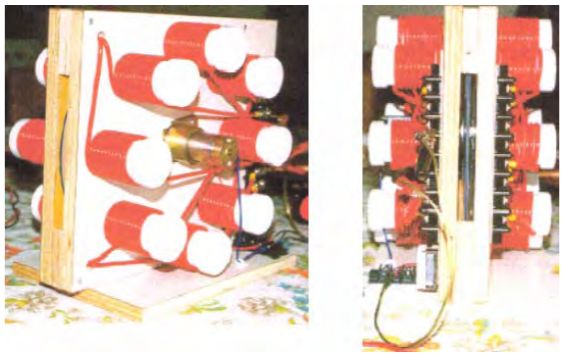
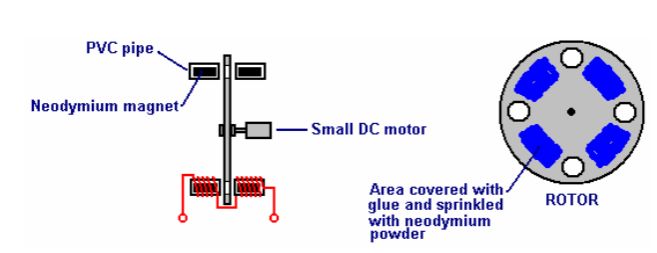
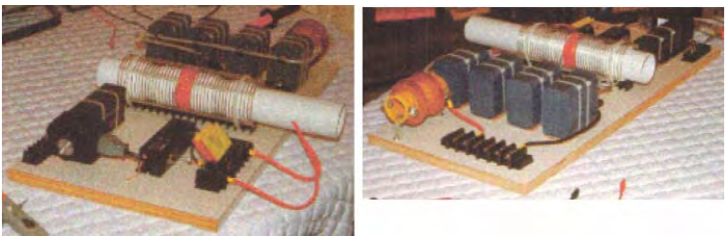
Each of eight coil pairs produces 1,000 V at 50 A (~=50 kW), giving a total output of about 400 kW from a tabletop device (~=16" x 14.5" x 10").
Experimental Evidence
The patent description states that Gauss meters show large amounts of radiated magnetic energy from conventional devices and that the prototype produced 400 kW output. No independent peer-reviewed data are provided.
Replication Status
No independent replication reported; only videos and anecdotal replication attempts are mentioned.
Limitations
- Lack of independent verification
- Device requires precise tuning to location
- Claims rely on anecdotal evidence
Red Flags
- Overunity claims without peer-reviewed data
- Use of vague terms such as "ambient background energy"
- Potential for scam or unsubstantiated marketing