Goal
Stimulate the body's natural healing abilities and reduce pain through microcurrent biofeedback therapy.
Problem
Chronic disease, pain, muscle aches, eye pain, macular degeneration, and low cellular voltage.
Concept Summary
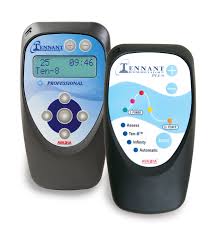
The Tennant BioModulator is a microcurrent device that reads electrical feedback from the body, adjusts its signals in real-time, and delivers varying electrical impulses and LED illumination to boost cell membrane voltage, promote cellular regeneration, and adjust tissue pH.
Detailed Description
The system incorporates a resonant circuit with an inductor coupled to a piezoelectric oscillator. A frequency generator modulates the circuit, while LEDs emit light based on the circuit output. A power supply provides voltage to activate the piezoelectric effect. The device reads biofeedback, varies impulse parameters, and aims to restore the -20 to -25 mV cellular voltage range, thereby encouraging healing and pain relief.
Principles
- microcurrent therapy
- biofeedback
- cell voltage modulation
- frequency modulation
- piezoelectric resonance
Scientific Domains
Materials
- piezoelectric material
- LED
- inductor
- capacitor
- copper wiring
Mechanisms of Action
- electrical impulses to cells
- adjusting cell membrane voltage
- stimulating cellular regeneration
- modulating tissue pH via LED illumination
Energy Sources
Applications
- pain management
- healing of chronic disease
- macular degeneration treatment
- muscle ache relief
Claimed Performance
Pain reduction, accelerated healing, treatment of macular degeneration, and improvement of chronic disease symptoms.
Limitations
- Lack of peer-reviewed clinical trials
- Mechanistic claims not supported by mainstream science
- Potential placebo effect
Red Flags
- Claims of a voltage-based disease model not accepted by mainstream medicine
- No independent replication of therapeutic results