Goal
Convert the energy stored in a static magnetic field (permanent magnet) into usable electrical power.
Problem
Dependence on fossil fuels and the need for clean, abundant energy sources.
Concept Summary
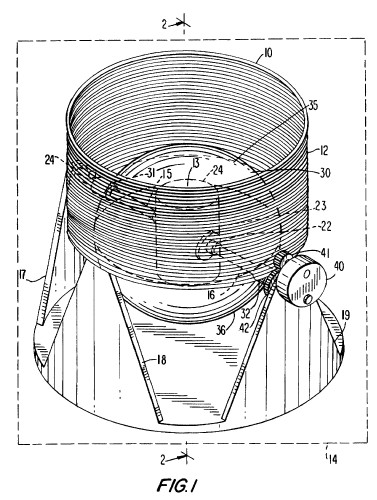
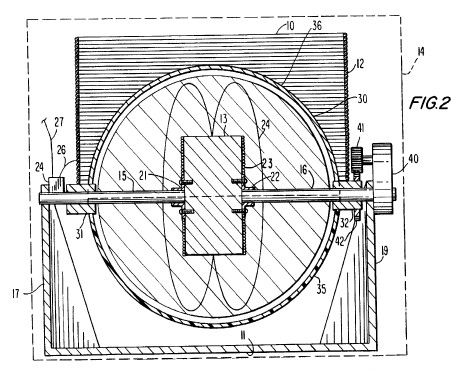
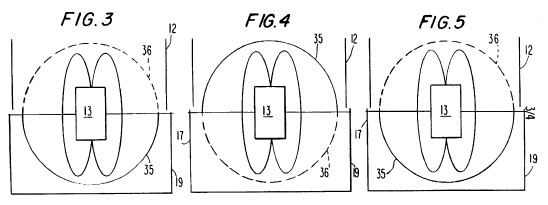
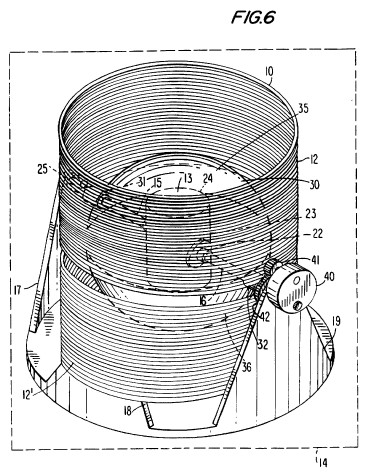
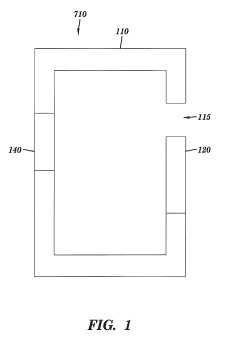
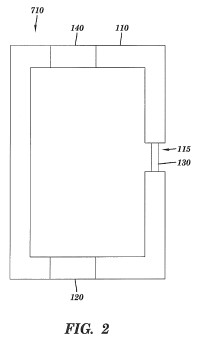
The Static Field Converter uses a hemispherical high-temperature superconductor (HTS) element as a rotating diamagnetic shield that periodically blocks and exposes a coil to the magnetic field of a permanent (or electromagnet) magnet. According to the inventor, the perfect diamagnetic behavior of the HTS causes a net torque imbalance that allows electrical energy to be generated from the magnet's field without net mechanical input, producing electricity that can be used directly or for hydrogen production.
Detailed Description
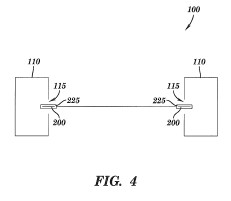
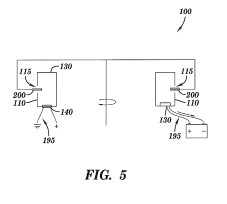
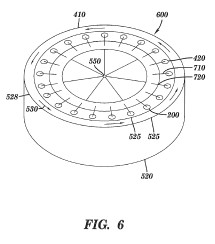
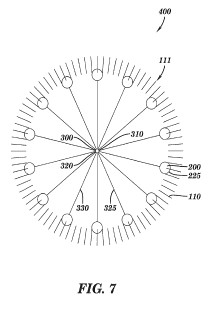
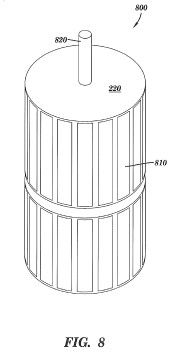
The invention consists of a permanent magnetoror electromagnet) that creates a static magnetic field, one or more coils positioned within that field, a hemispherical HTS diamagnetic insulating element that rotates around the magnet, and a switch that connects the coils to a load in synchrony with the shield's rotation. In the simulation, the HTS is assumed to be a perfect diamagnet (Meissner effect), repelling the magnetic field and causing equal and opposite torques on entry and exit of the field region, resulting in zero net mechanical torque required from a prime mover. The device is claimed to harvest energy directly from the magnet's field, producing appreciable voltage in finite-element analysis (ANSYS) simulations. The inventor suggests that the generated electricity can be used to produce hydrogen via electrolysis, with water as the exhaust.
Principles
- Meissner effect
- Perfect diamagnetism
- Static magnetic field energy conversion
- Electromagnetic induction
- Flux shielding
Scientific Domains
Materials
- Permanent magnet (e.g., NdFeB)
- High-temperature superconductor (HTS) material
- Insulating diamagnetic material (ceramic coating)
- Copper coil wire
- Electronic switch (solid-state or mechanical)
Mechanisms of Action
- Rotating hemispherical HTS shield periodically blocks/unblocks coil exposure to magnetic field
- Periodic switching of coil circuit synchronized with shield rotation
- Conversion of magnetic field energy to electrical energy via induced emf
Energy Sources
Applications
- Electricity generation
- Hydrogen production via electrolysis
- Fuel cell power supply
Claimed Performance
Simulations show appreciable voltage output from the device; the inventor claims the system can generate large amounts of electricity sufficient to produce hydrogen and reduce oil consumption.
Experimental Evidence
Finite-element analysis (ANSYS) simulations assuming perfect diamagnetic HTS; graduate student research and dissertations at University at Buffalo; no quantitative experimental data reported.
Limitations
- Requires high-temperature superconductors and cooling
- Assumes perfect diamagnetic behavior, which is not achievable in practice
- Needs a prime mover for rotor entry torque
- No independent experimental verification
Red Flags
- Claims of extracting energy from static magnetic fields without external input
- Reliance on idealized simulation assumptions
- Lack of peer-reviewed experimental data
- Potential violation of established electromagnetic theory