Goal
Generate water with altered molecular clusters (micro-cluster or "activated" water) that exhibits higher oxygen dissolution, improved stability, and purported health or industrial benefits.
Problem
Low oxygenation and inefficient aeration in water treatment, aquaculture, and drinking-water applications; desire for water with enhanced properties.
Concept Summary
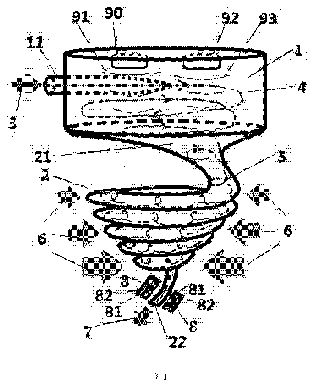
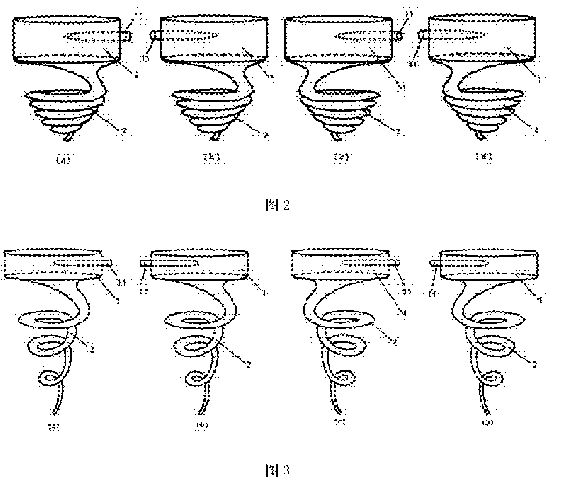
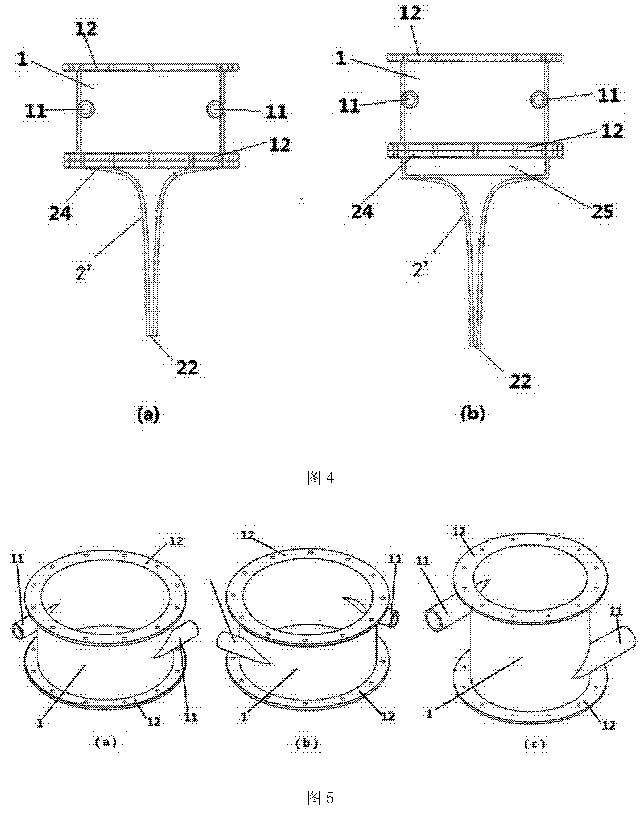
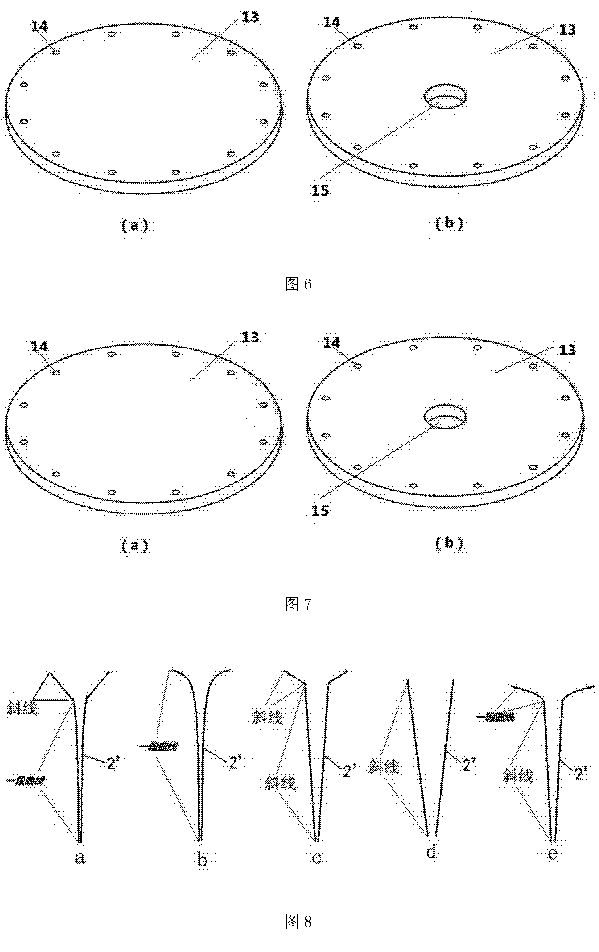
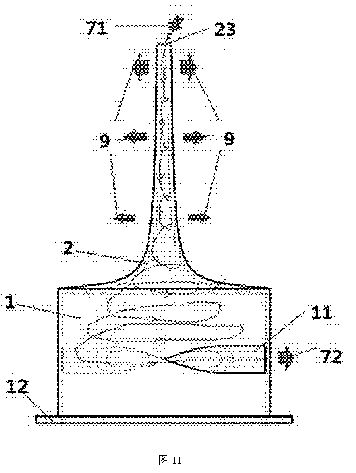
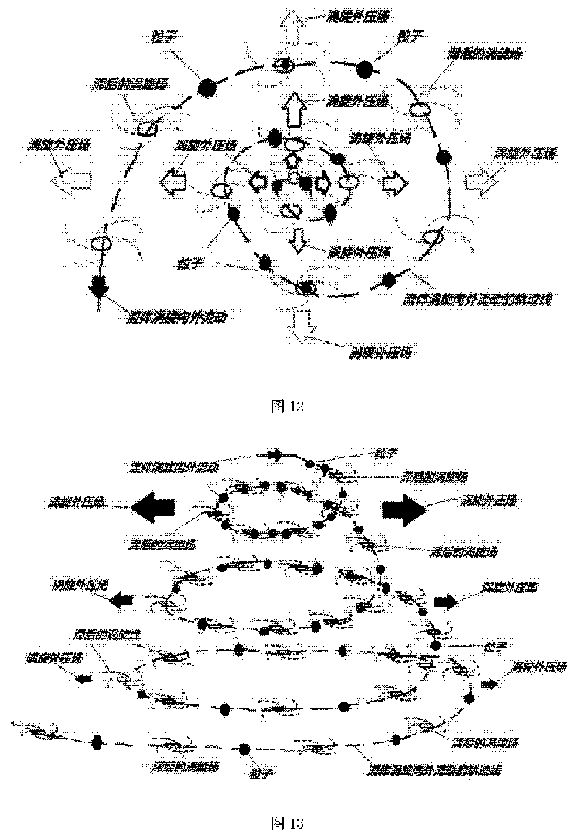
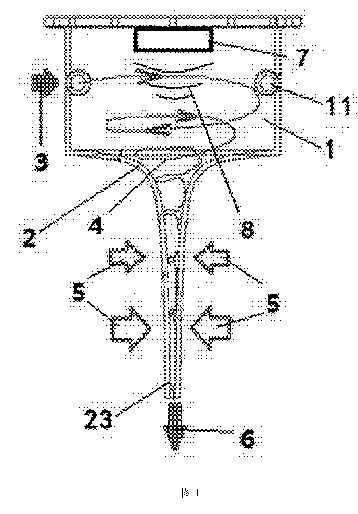
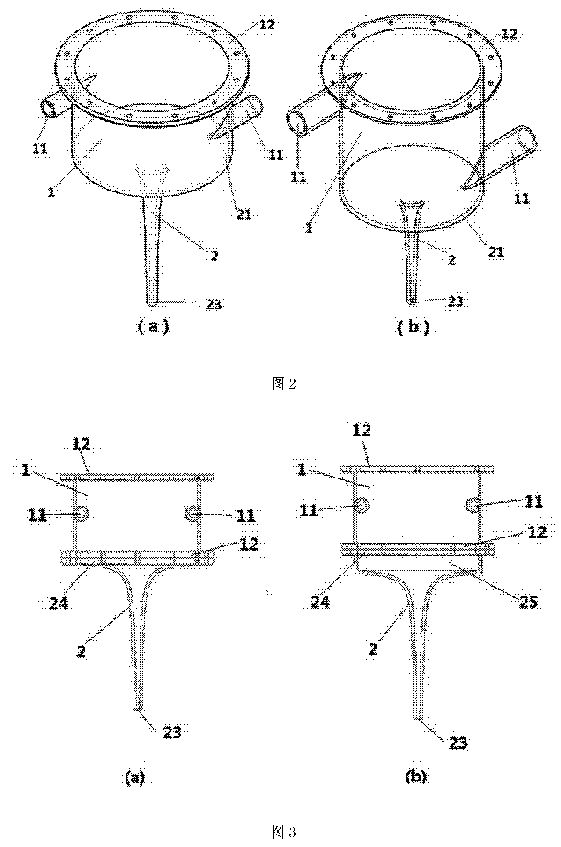
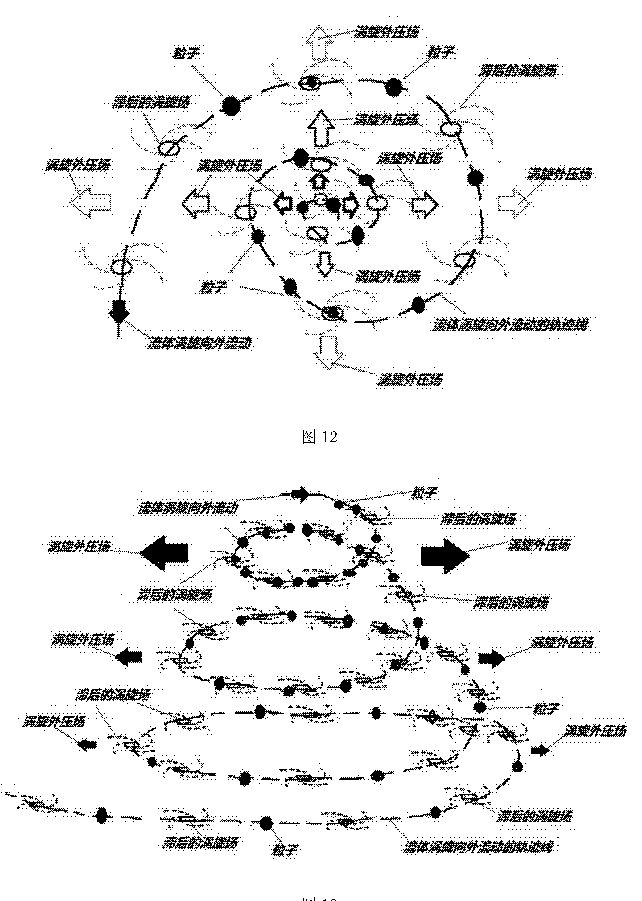
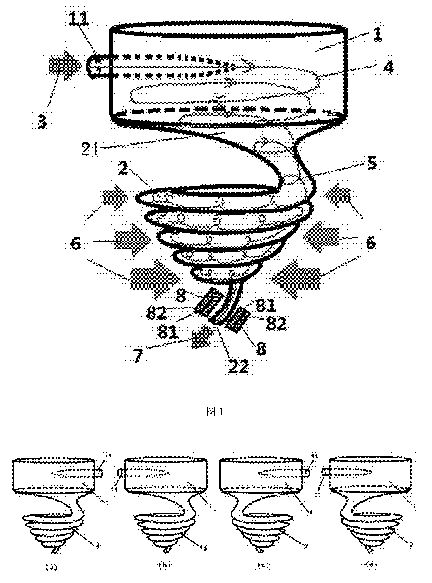
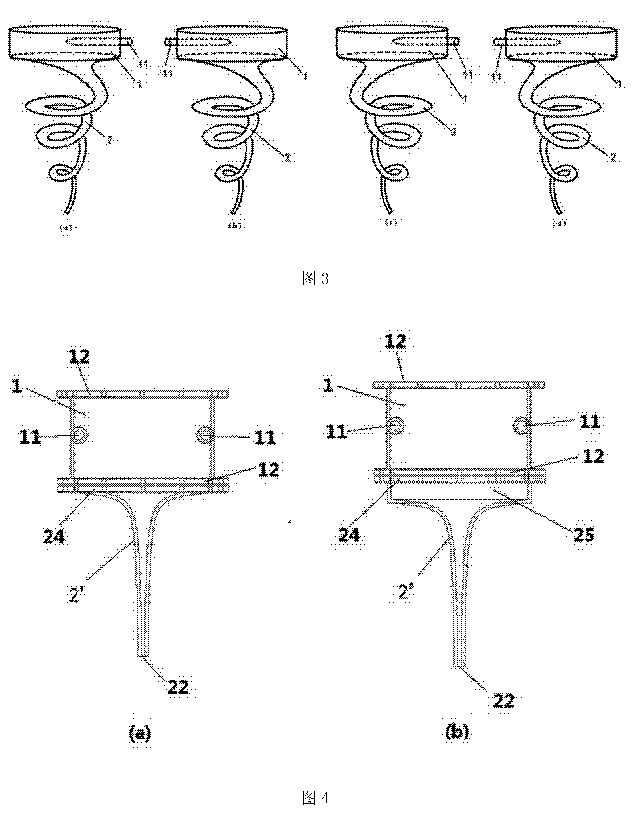
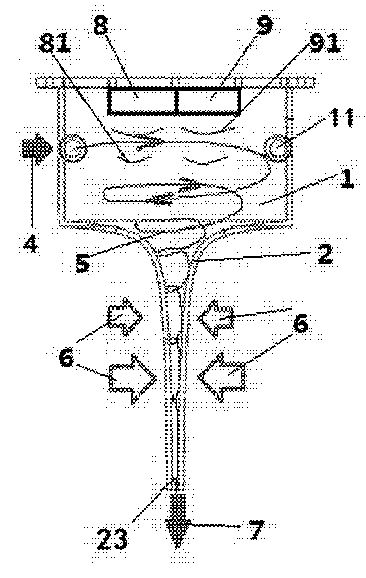
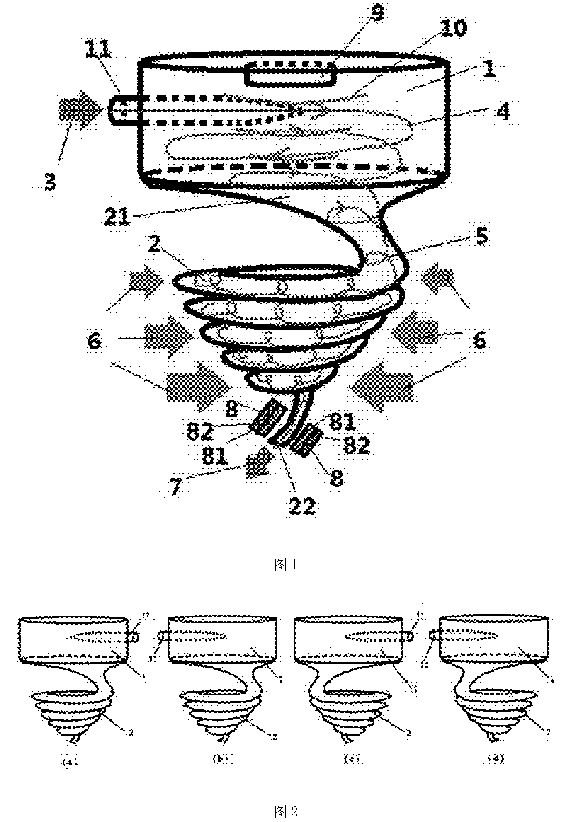
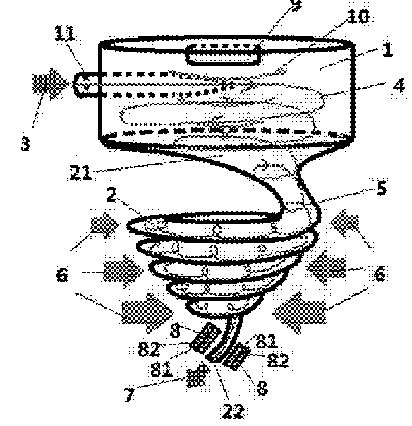
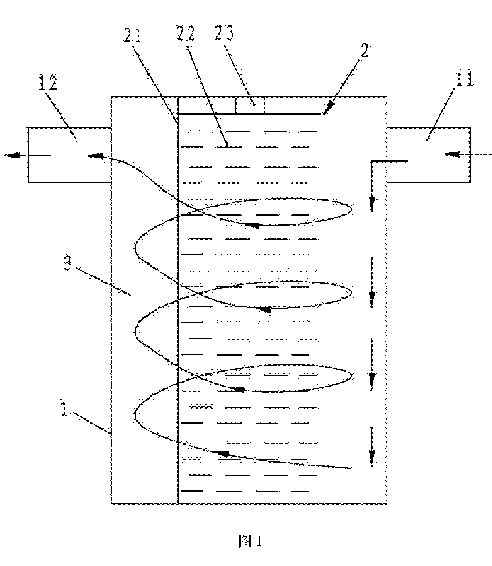
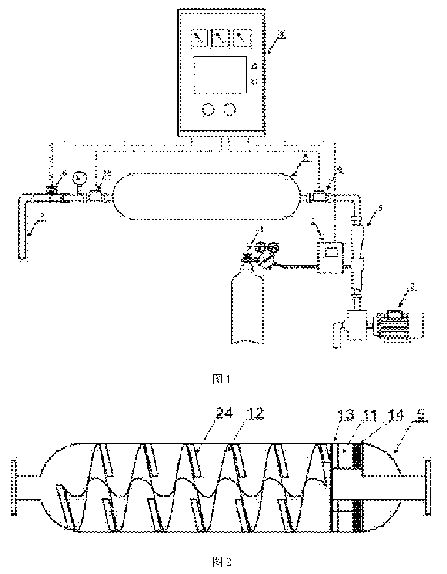
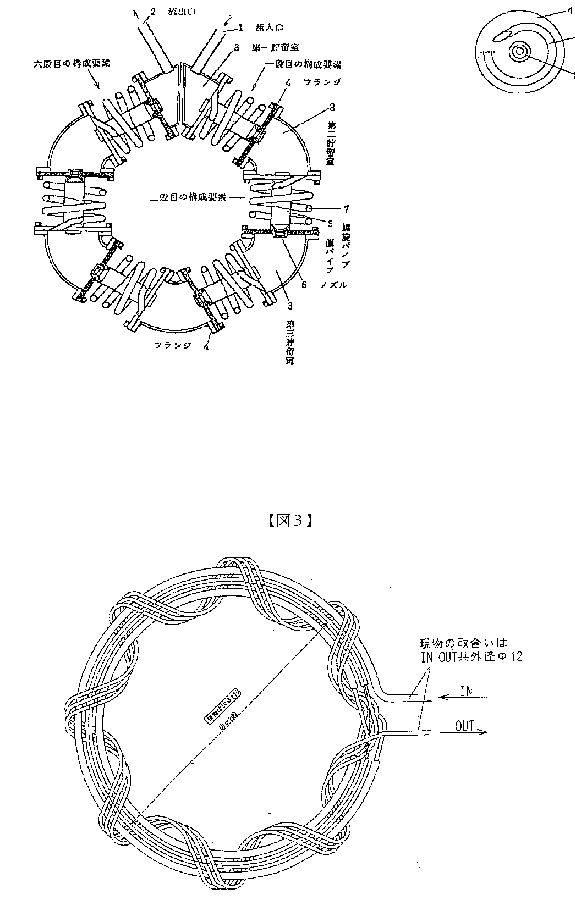
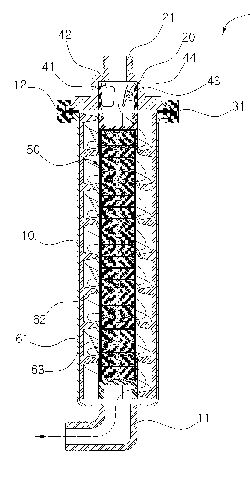
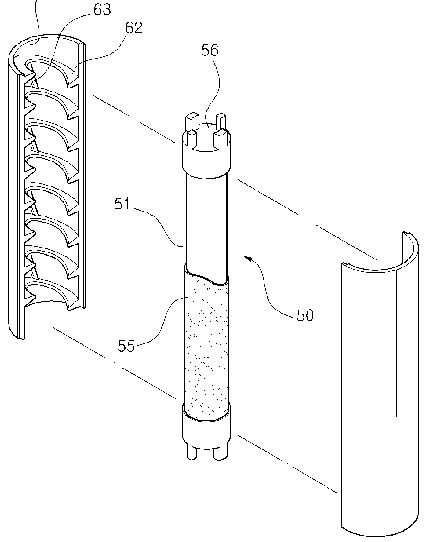
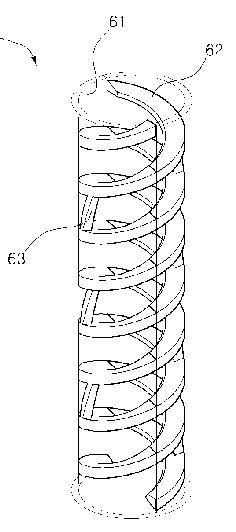
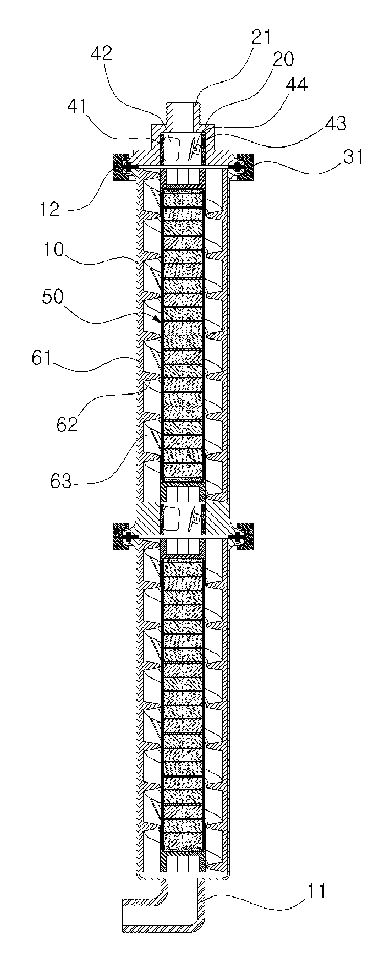
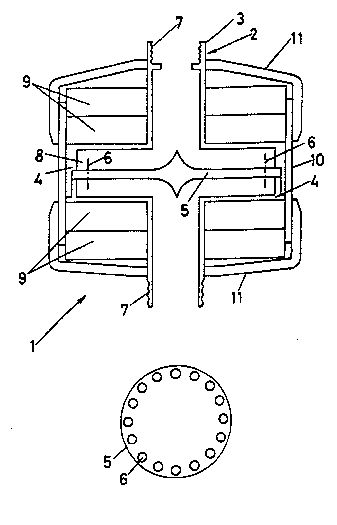
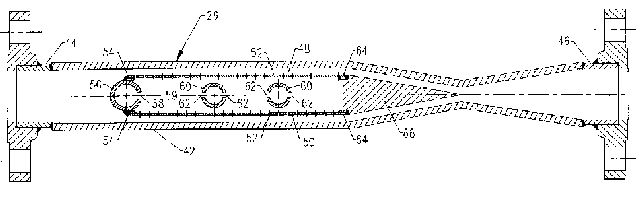
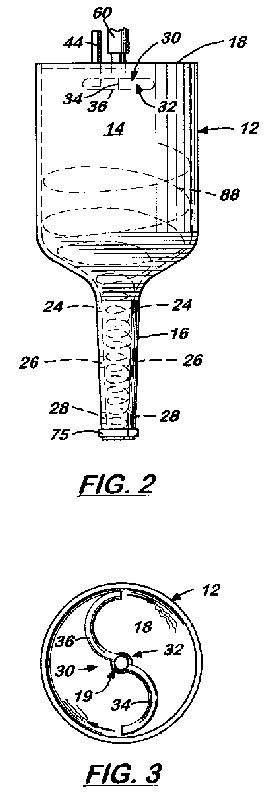
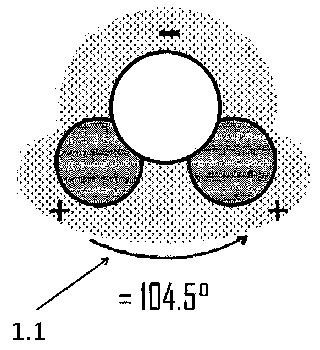
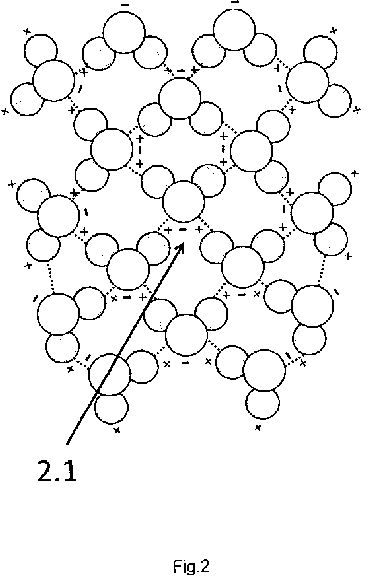
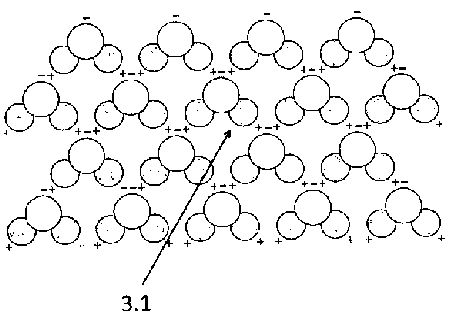
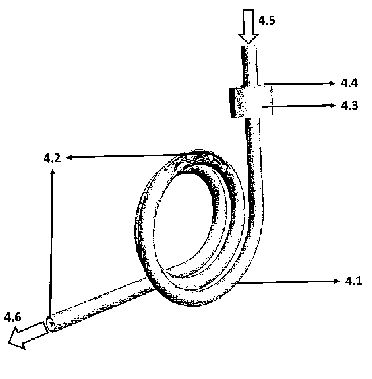
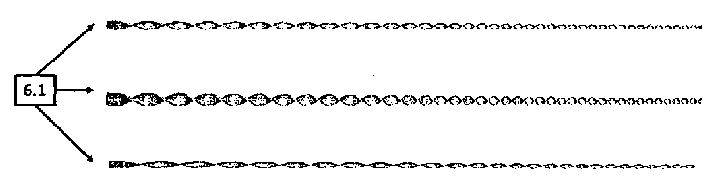
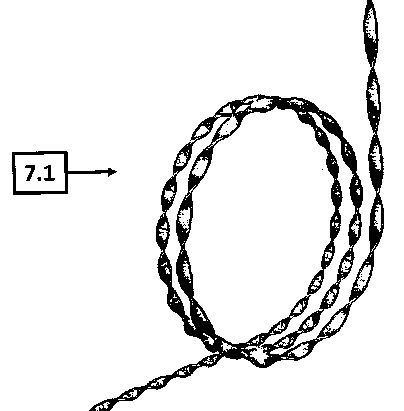
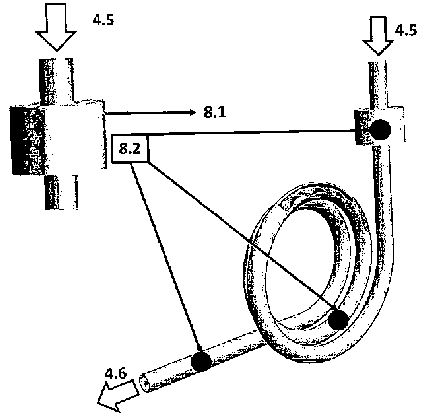
The patents describe a family of devices that combine magnetic, electromagnetic, acoustic (or electric fields with vortex-inducing flow geometries (double-vortex or funnel-shaped tubes). Water (optionally containing added substances) is forced through a vortex tube while being exposed to strong magnetic fields (e.g., N5 neodymium-iron-boron magnets >14,500 GS) and/or electromagnetic/acoustic fields. The vortex creates micro-bubbles and a centripetal pressure field that, according to the inventors, coheres with vacuum zero-point energy to break up large water clusters and reform stable micro-clusters, yielding "activated" water. The aeration embodiment also injects oxygen through a Venturi tube, producing sub-10 um bubbles with high oxygen utilization.
Principles
- Magnetic vortex generation
- Electromagnetic field exposure
- Acoustic field induced cavitation
- Centripetal vortex flow
- Zero-point energy coherence (claimed)
Scientific Domains
Materials
- Neodymium-iron-boron (N5) magnetic material
- Water
- Oxygen gas
Mechanisms of Action
- Magnetic field restructures water clusters
- Electromagnetic field enhances vortex-induced activation
- Acoustic field creates micro-bubbles and lowers surface tension
- Vortex flow generates internal pressure fields that break macro-clusters
- Proposed interaction with vacuum zero-point energy to stabilize micro-clusters
Energy Sources
Applications
- Aquaculture oxygenation
- Sewage treatment
- Drinking-water enhancement
- Industrial water aeration
Claimed Performance
Bubble size below 10 um; magnetic intensity >14,500 GS; high oxygen utilization rate; low energy consumption; low cavitation; compact structure suitable for sewage treatment, aquaculture, and other oxygenation technologies.
Limitations
- No peer-reviewed data or independent replication reported
- Reliance on speculative zero-point energy concepts
- Unclear long-term stability of activated water
Red Flags
- Claims of magnetic memory of water for femto-moments
- Use of "vacuum zero-point energy" without scientific validation
- Absence of quantitative experimental data