Goal
Generate energy output exceeding the input pulse and transmute radioactive waste into stable isotopes.
Problem
Absence of a controllable, self-sustaining nuclear ignition method and the need for safe, efficient decontamination of long-lived radioactive waste.
Concept Summary
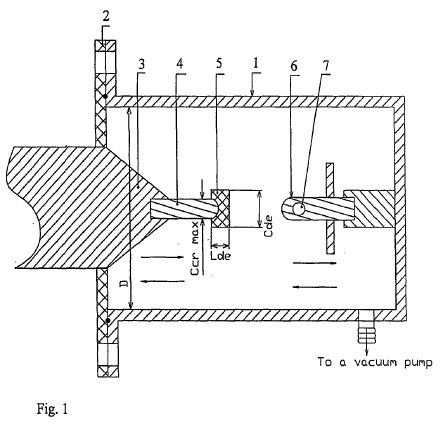
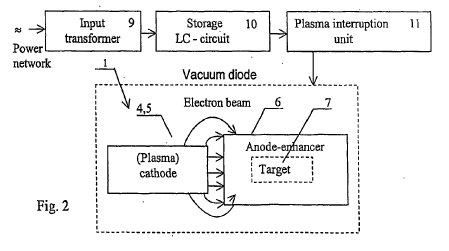
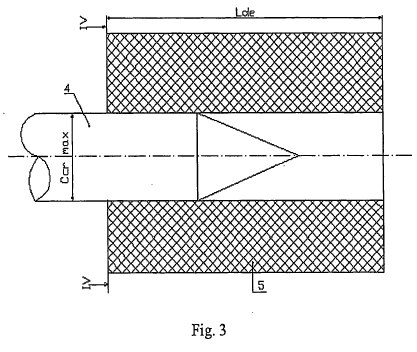
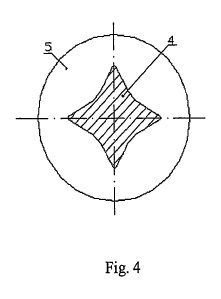
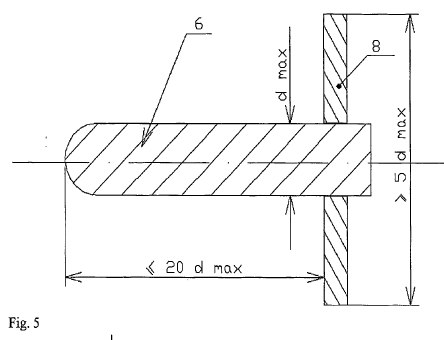
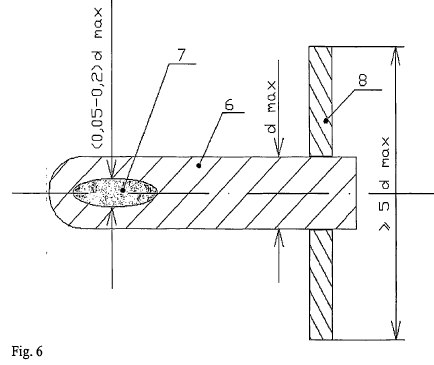
The Proton-21 system uses a high-energy, short-duration electron-beam pulse in an axisymmetric relativistic vacuum diode (RVD) equipped with a plasma cathode and an anode-enhancer. The pulse creates a self-focusing electron beam that impacts a condensed target, compressing it to a super-dense state where Coulomb barriers become negligible. In this regime pycnonuclear and collective nuclear reactions occur, producing excess thermal/electrical energy (over-unity) and causing nuclear transmutation of the target material into stable isotopes.
Principles
- Impact compression to super-dense state
- Relativistic vacuum diode operation
- Plasma cathode emission
- Self-focusing electron beam
- Pycnonuclear fusion
- Collective nuclear reactions
- Non-linear energy dependence
Scientific Domains
Materials
- Condensed target substance (liquid or solid)
- Dielectric end element of plasma cathode rod
- Plasma-forming near-surface material (e.g., copper)
- Hard strong material for anode-enhancer
- Copper electrode (in experimental setup)
Mechanisms of Action
- High-energy electron beam (>=0.2 MeV) strikes target
- Rapid axial impact compresses target to super-dense plasma
- Coulomb barrier reduction enables nuclear fusion/fission cascades
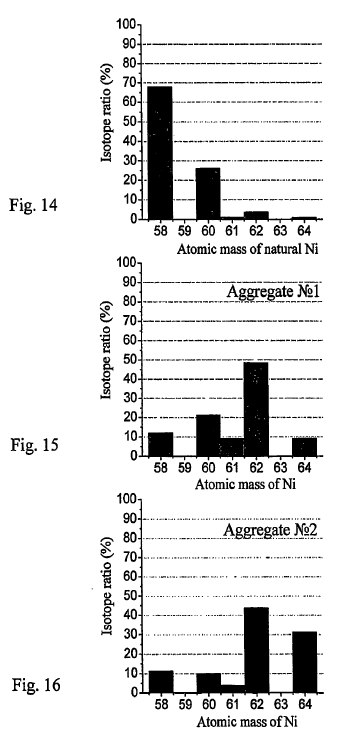
- Pycnonuclear reactions alter isotopic composition
- Collective energy release exceeds input pulse
Energy Sources
Applications
- Clean energy generation
- Radioactive waste decontamination
- Production of stable isotopes for industrial/medical use
Claimed Performance
Energy output far exceeds the initial impact pulse; creation of new elements and stable isotopes; successful transmutation of long-lived radioactive waste into short-lived or stable forms.
Experimental Evidence
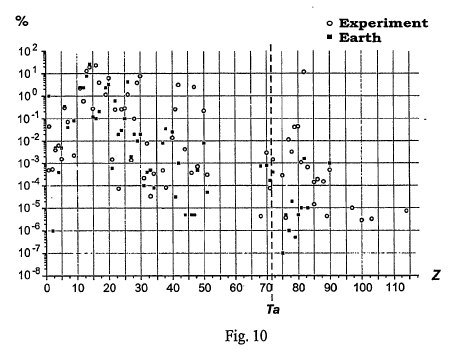
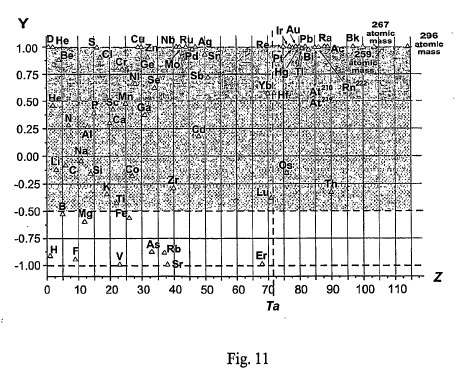
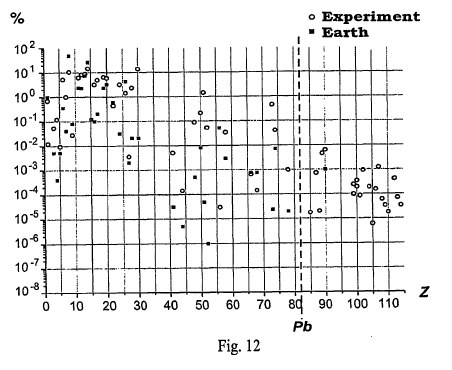
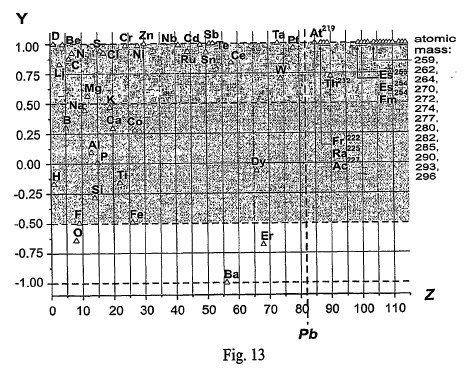
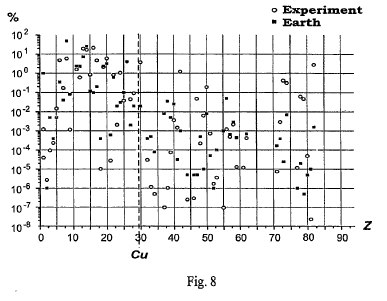
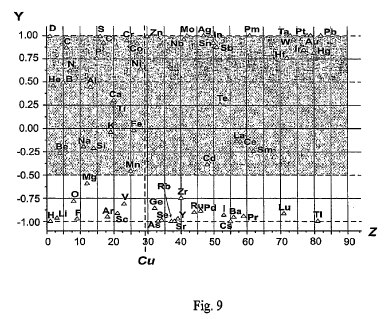
More than 5,000 controlled nuclei-synthesis experiments reported since 1999; first successful experiment on 24 Feb 2000; new elements verified by laboratories in Ukraine, Russia, and the USA.
Replication Status
High reproducibility reported within the EDL laboratory; no independent third-party replication documented.
Limitations
- Absence of peer-reviewed, independently verified data
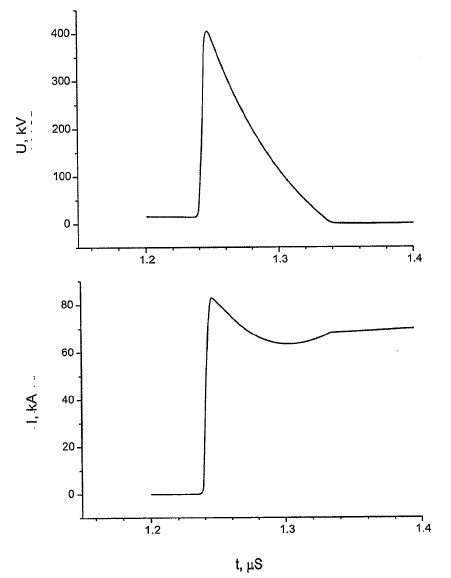
- Requirement of gigawatt-scale, sub-100 ns electrical pulses
- Unclear scalability to commercial power levels
- Potential radiation hazards if transmutation is incomplete
Red Flags
- Over-unity claims without rigorous, published peer review
- Vague quantitative data and lack of detailed experimental parameters
- Potential classification as pseudoscientific by mainstream nuclear physics community