Goal
Provide fresh, drinkable water from seawater while reducing energy consumption.
Problem
Global water scarcity and high energy demand of conventional desalination technologies.
Concept Summary
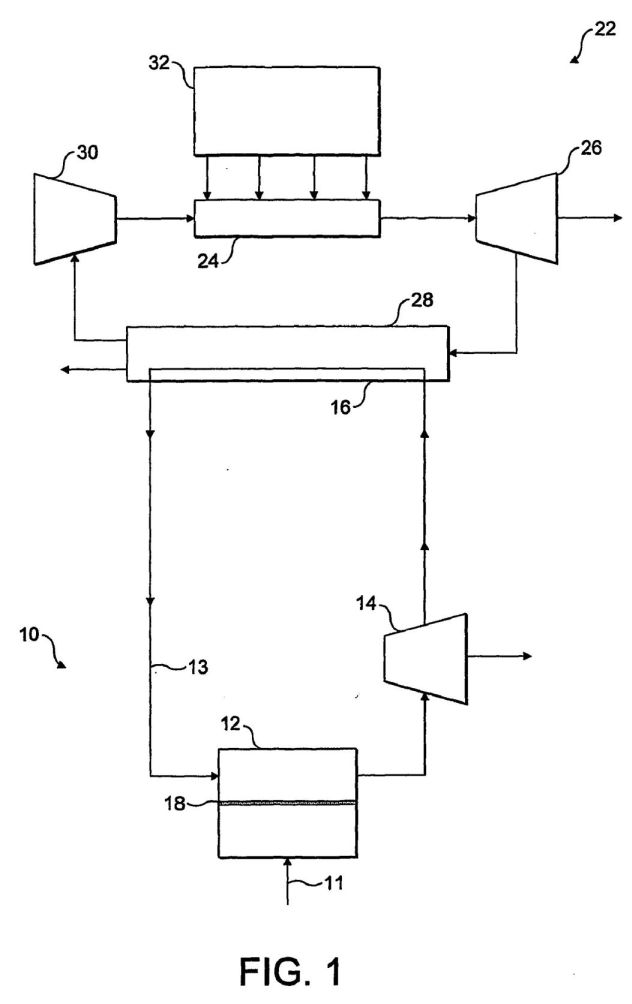
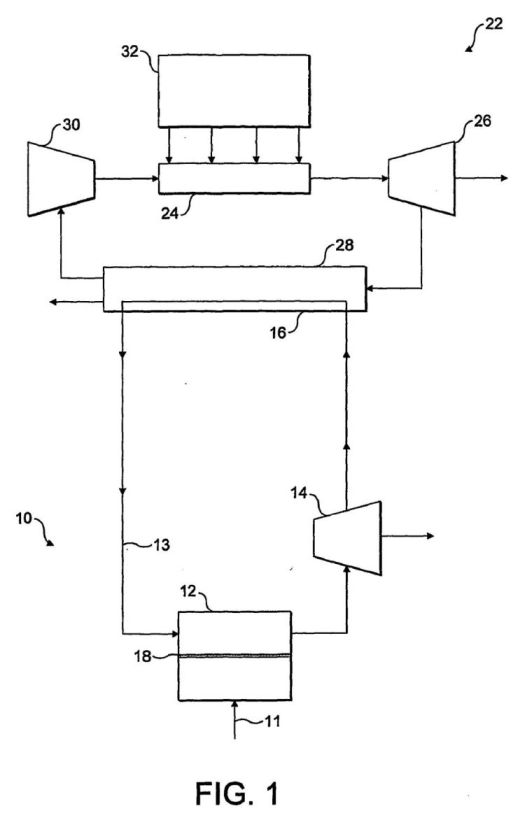
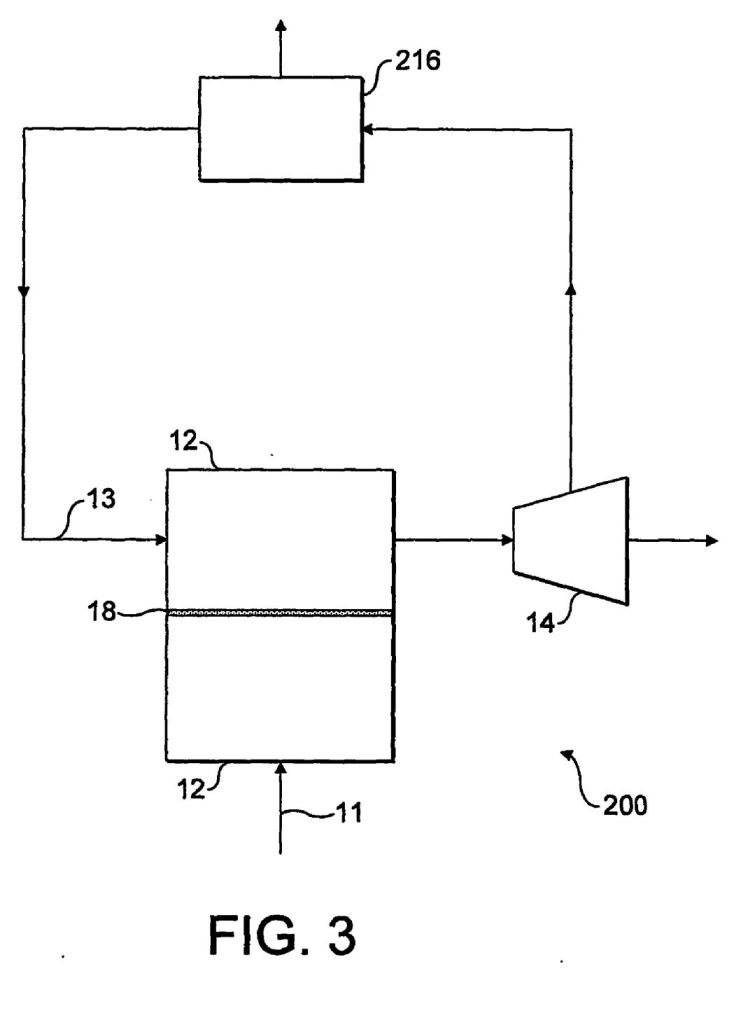
The invention uses a selective semi-permeable membrane to create an osmotic pressure differential between a low-osmotic-potential liquid (freshwater) and a high-osmotic-potential solution (seawater). The influx of water across the membrane pressurises the solution, which can then drive a prime mover (e.g., turbine) to generate hydraulic power or electricity. The pressurised solution is subsequently processed to separate solvent (fresh water) and residual brine, with the solvent recycled to maintain the osmotic gradient. The process claims up to a 30 % reduction in energy use compared with conventional high-pressure reverse-osmosis desalination.
Detailed Description
A selective membrane (cellulose acetate or polyamide) is positioned between two fluid streams. Freshwater on the low-osmotic side diffuses through the membrane into the high-osmotic seawater side, raising the pressure of the latter to hydrostatic levels (10^5-10^7 Pa). This pressurised solution can be routed directly to a turbine or through a pressure-exchange system to drive a prime mover, producing mechanical power that may be converted to electricity. After power extraction, the solution is recovered; solvent (water) is separated via thermal or membrane techniques (evaporation, multi-stage flash, multi-effect distillation, mechanical vapour compression, rapid spray desalination). The separated water is collected as fresh water, while the residual brine can be recycled back to the membrane to sustain the osmotic gradient. The system can be housed in a pressure vessel with inlet/outlet ports and optional pressure-regulating nozzles.
Principles
- Osmosis
- Hydrostatic pressure generation
- Prime-mover conversion
- Selective membrane separation
- Thermal distillation
Scientific Domains
Materials
- Cellulose acetate membrane
- Polyamide membrane
- Semi-permeable membrane (integral or composite)
- Supporting mesh structure
Mechanisms of Action
- Selective membrane osmotic flow
- Pressure buildup in high-osmotic solution
- Driving a turbine or pressure-exchange system
- Solvent (water) separation from concentrated solution
- Recycling of solvent and residual product
Energy Sources
Applications
- Municipal desalination plants
- Hydraulic power generation from seawater
- Off-grid water supply
Claimed Performance
Reduces energy consumption by up to 30 % compared with conventional high-pressure desalination processes.
Experimental Evidence
A demonstration plant in Al Khaluf, Oman supplies 100 m^3 of fresh water per day for about 80 000 people, using the patented manipulated-osmosis technology.
Replication Status
Plant operating in Al Khaluf, Oman delivering 100 m^3/day of fresh water.
Limitations
- Membrane fouling and degradation over time
- Requirement to maintain a concentration gradient
- Energy needed for solvent removal (thermal processes)
- Scaling challenges for large-volume plants
Red Flags
- Energy-reduction claim of 30 % lacks independent verification
- Profitability statements based on limited financial data