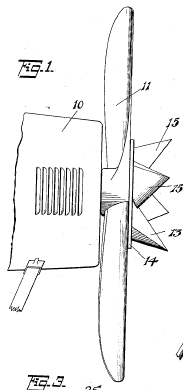
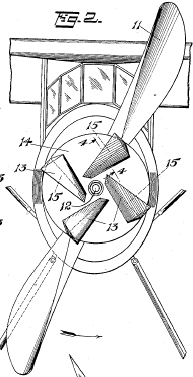
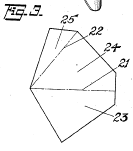
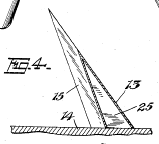
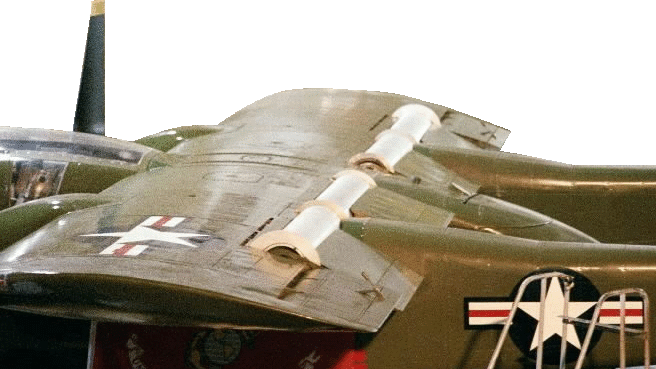
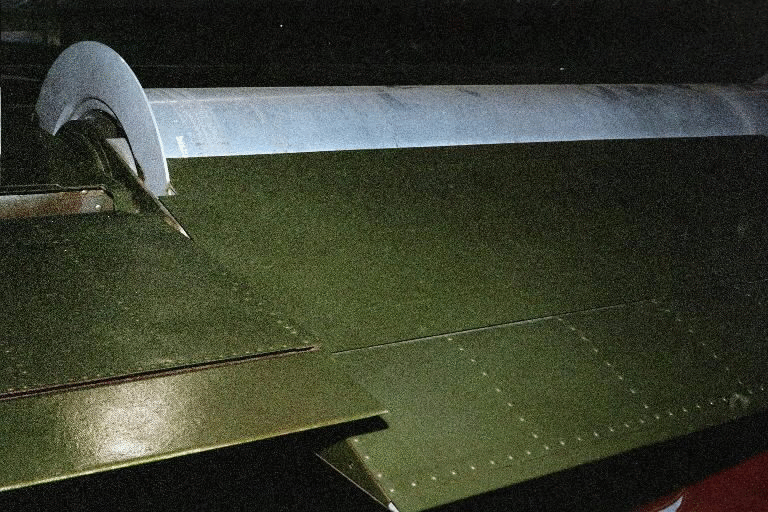
Goal
Provide an aircraft that can maintain stable flight without conventional ailerons, prevent stall or spin, and require minimal pilot input.
Problem
Aircraft stall, spin, and the need for complex pilot-controlled control surfaces.
Concept Summary
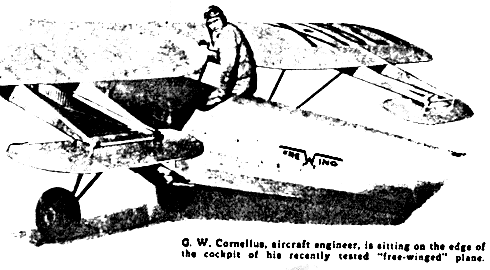
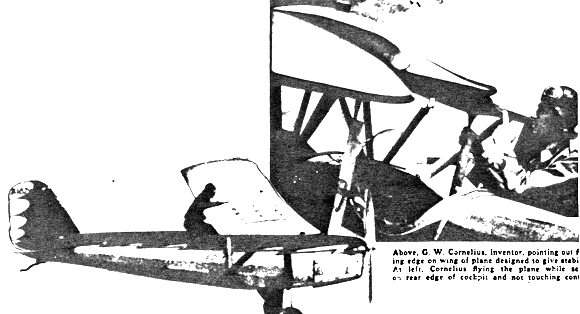
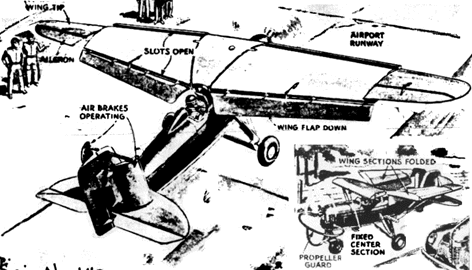
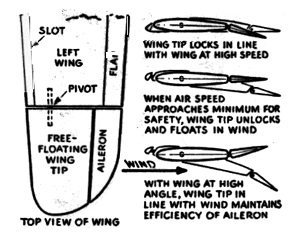
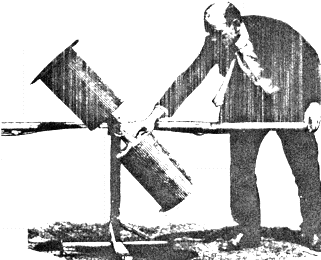
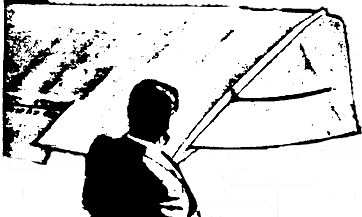
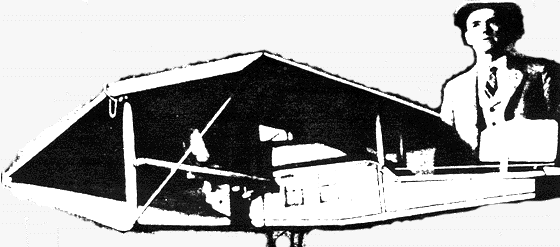
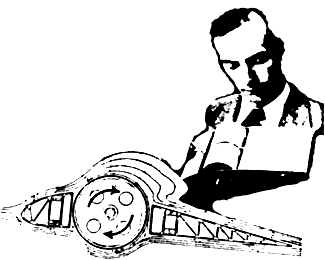
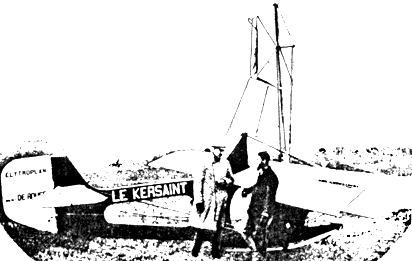
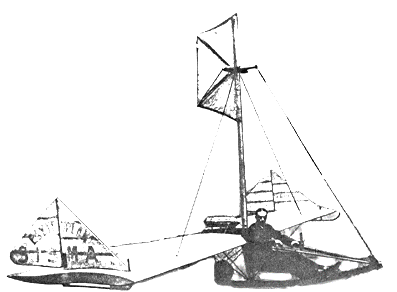
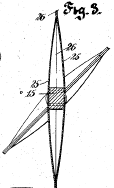
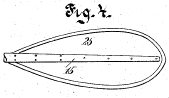
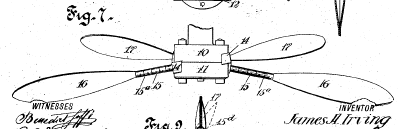
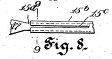
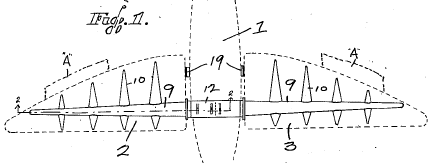
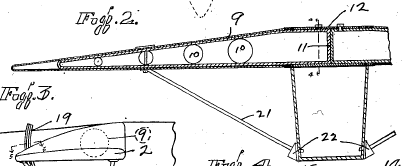
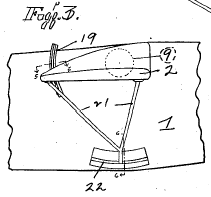
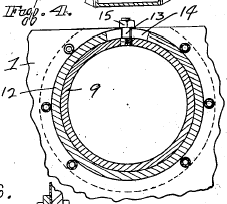
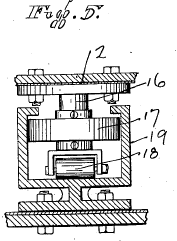
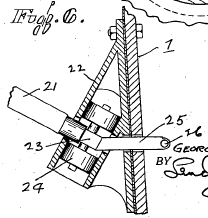
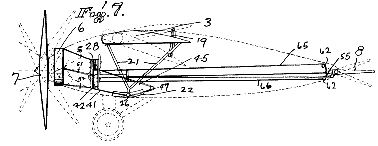
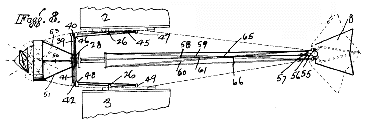
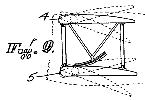
The invention uses wings that are hinged to the fuselage and can pivot up or down automatically in response to aerodynamic pressure. The trailing-edge "stabilators" act as combined elevators and ailerons, while a conventional rudder provides yaw control. The wing pivoting creates a self-stabilising effect that prevents stall and spin, allowing the aircraft to glide or climb with the pilot merely setting a desired angle.
Principles
- Passive aerodynamic stability
- Wing pivoting in response to pressure differentials
- Elimination of conventional ailerons
- Center-of-gravity placement for inherent stability
Scientific Domains
Materials
- Aluminum (wing structure)
- Steel (bolts, brackets, rollers)
- Metal tubing
Mechanisms of Action
- Trailing-edge stabilators adjust lift
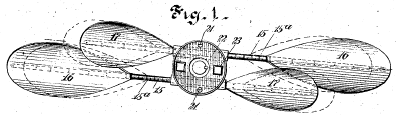
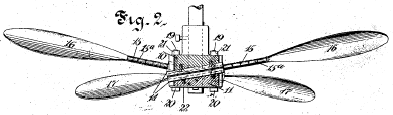
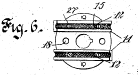
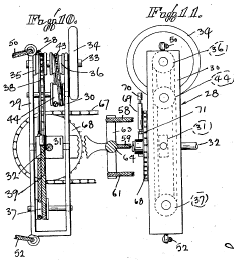
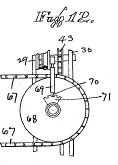
- Rotatable wing mounts allow limited up/down movement
- Control wires linked to a stick tilt the wings
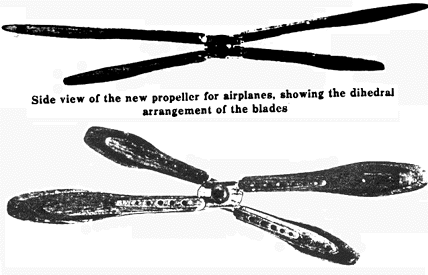
- Synchronised movement of wings, propeller and tail for steering
Energy Sources
Applications
- Aircraft with reduced pilot workload
- Early autonomous or autopilot-assisted airplanes
- Training platforms for stability research
Claimed Performance
The aircraft cannot stall or spin, can glide or climb automatically when the pilot cuts the engine, and steers itself into a bank while turning using only the rudder.
Experimental Evidence
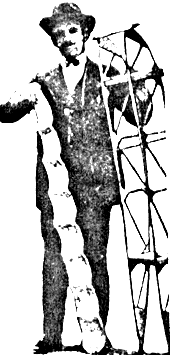
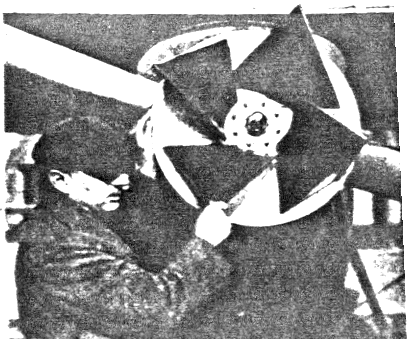
Popular Science articles (May 1931, July 1932) report test flights demonstrating that the plane "practically can fly itself" and that a tail-spin is impossible with the construction. The patent description cites successful experiments showing the wings automatically keep the craft in a position that prevents loss of speed.
Replication Status
Only the original test flights are reported; no independent replication or commercial production has been documented.
Limitations
- Complex moving-wing mechanisms increase maintenance
- Reliance on pilot to cut engine for glide
- No quantitative performance data provided
Red Flags
- Lack of independent verification or peer-reviewed data
- Claims are largely anecdotal