Confidence
0.80
Practicability
0.60
Evidence
0.30
Fringe Score
0.20
Risk
0.20
Goal
Investigate unconventional aircraft configurations to improve performance, handling, or structural efficiency.
Problem
Conventional aircraft designs of the early 20th century were limited in lift-to-drag ratio, structural weight, and maneuverability.
Concept Summary
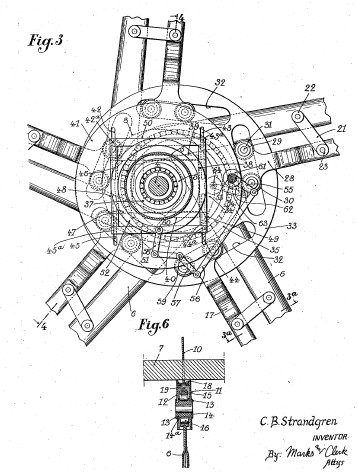
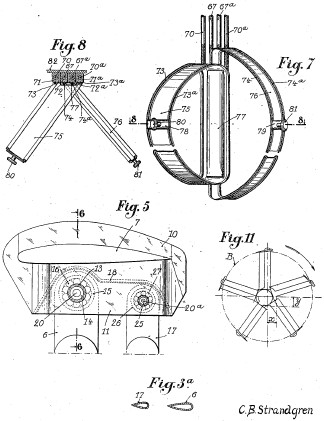
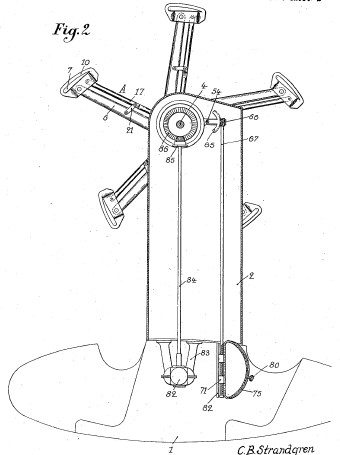
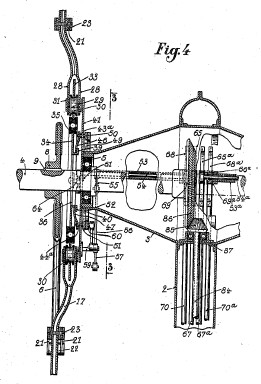
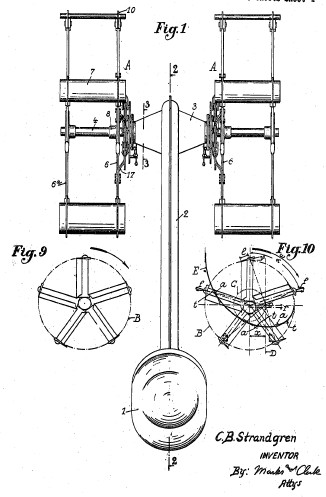
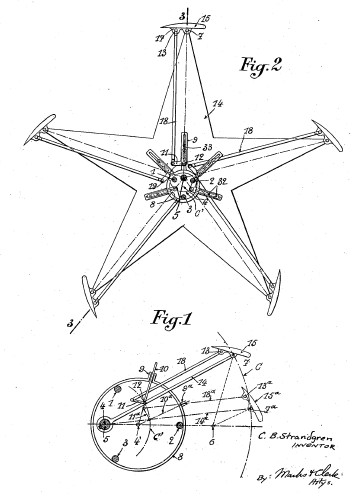
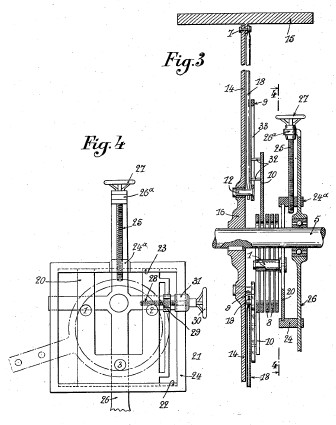
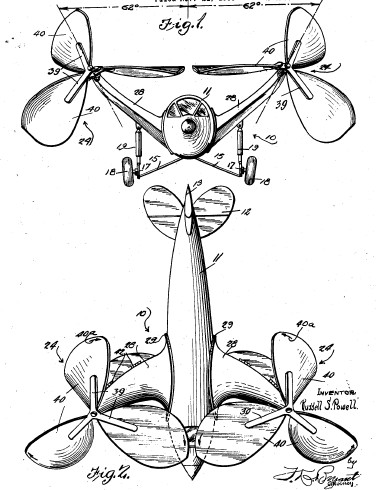
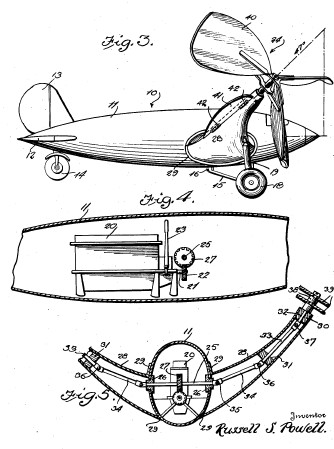
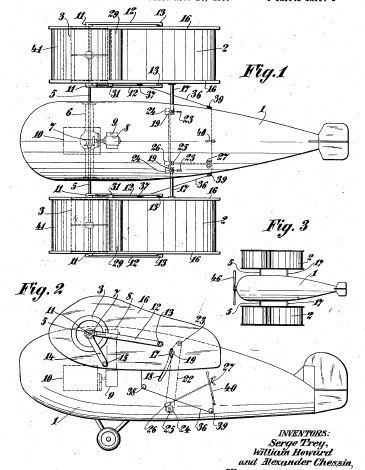
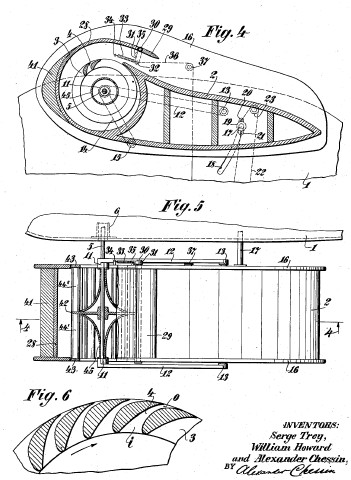
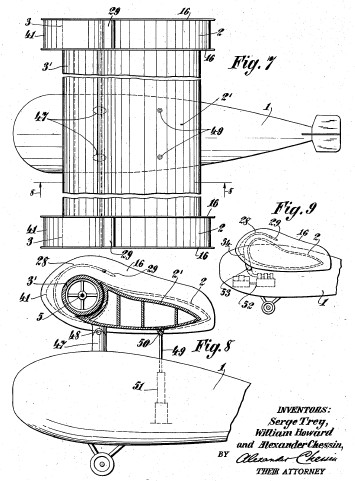
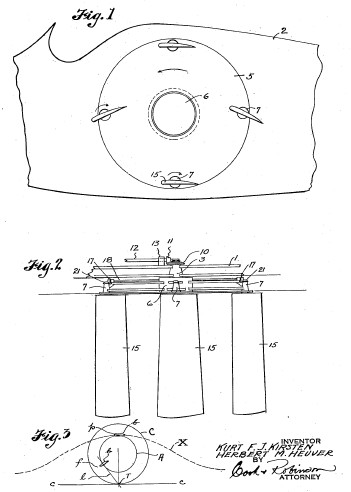
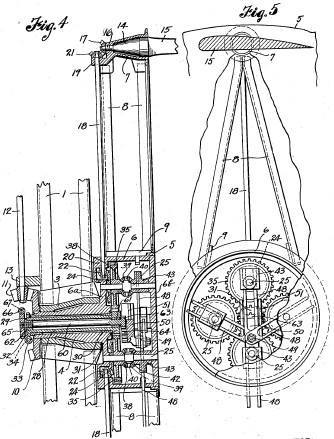
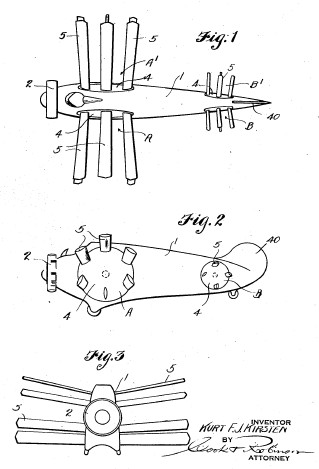
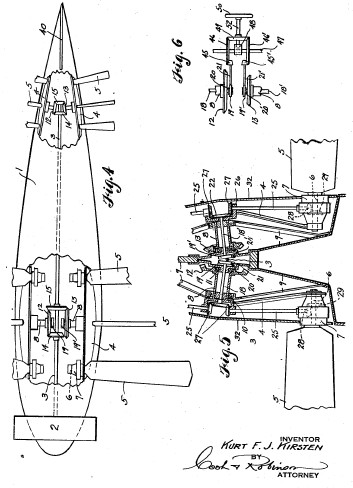
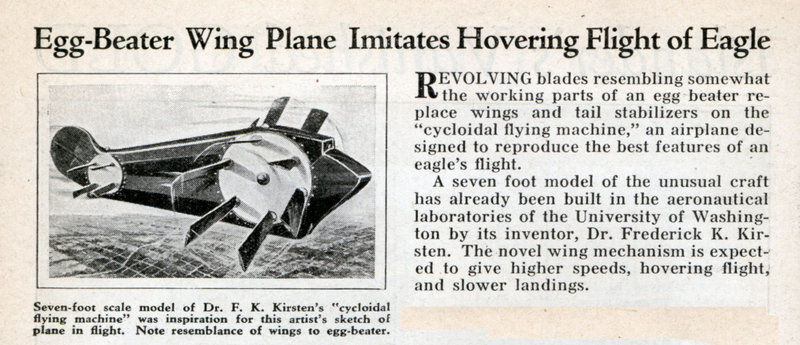
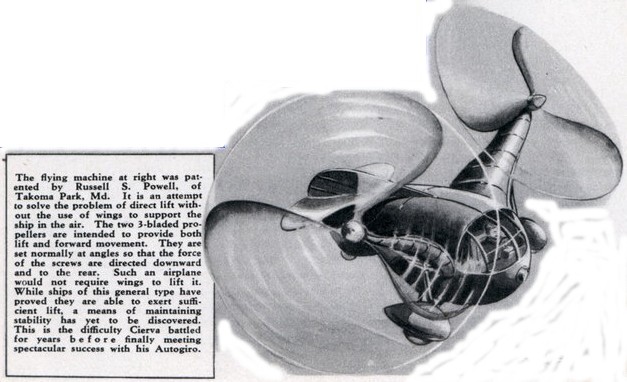
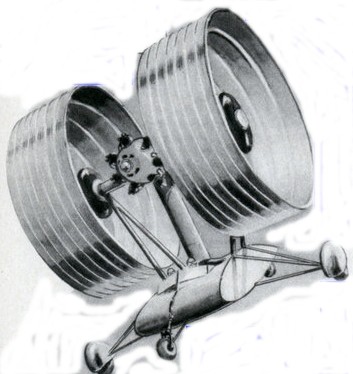
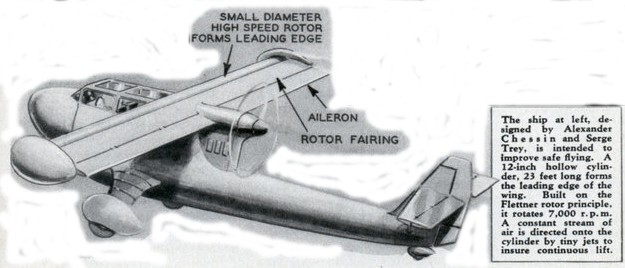
The article compiles a series of patented airplane concepts from the 1920s-1940s, each featuring atypical wing shapes, fuselage layouts, or control surface arrangements. The designs aim to achieve better aerodynamic efficiency or novel flight characteristics by altering standard aircraft geometry.
Principles
- Aerodynamics
- Structural engineering
- Control surface theory
Scientific Domains
Mechanisms of Action
- Modified wing planforms
- Alternative fuselage-wing integration
- Unconventional control surface placement
Energy Sources
Applications
- Aviation
- Historical aircraft research
Limitations
- Historical concepts may not meet modern safety or performance standards
- Limited quantitative performance data provided