Goal
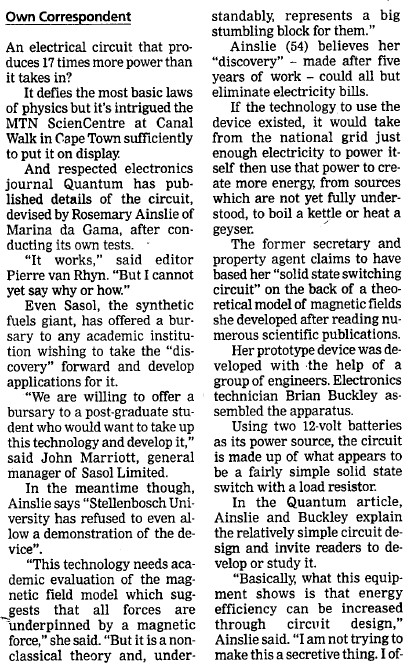
Generate electrical energy exceeding the input power (overunity) by harnessing counter-electromotive force in a switching inductive circuit.
Problem
Low efficiency of conventional electrical power conversion and the desire for a free-energy or overunity source.
Concept Summary
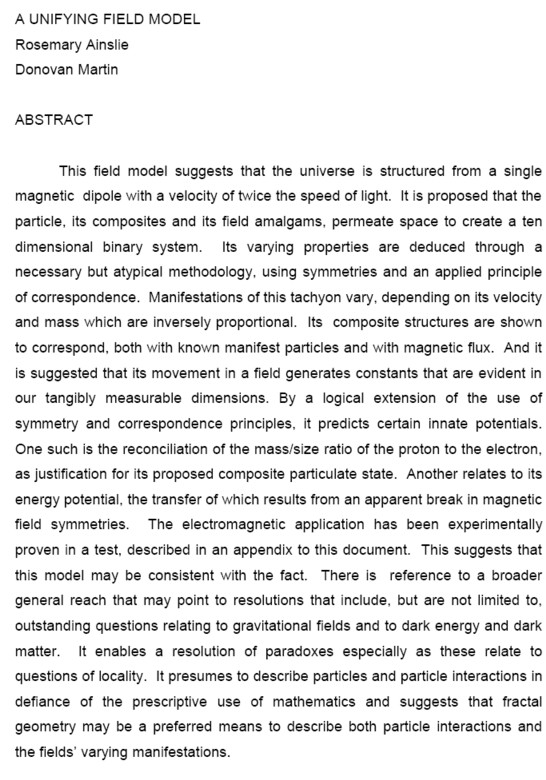
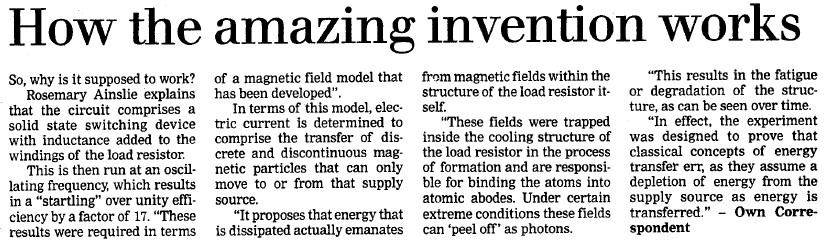
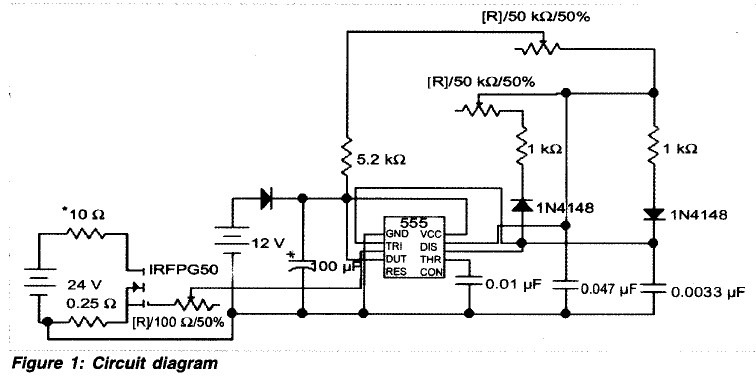
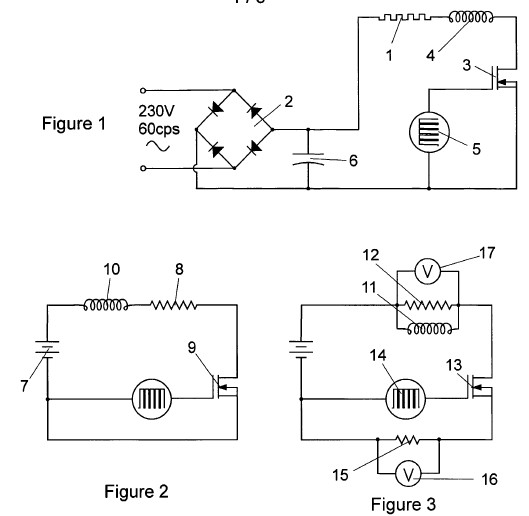
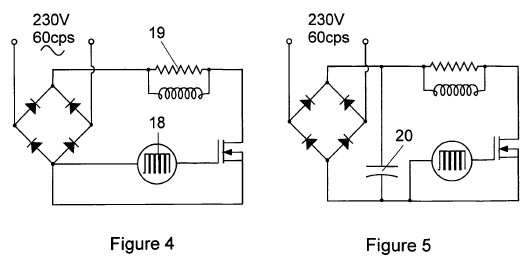
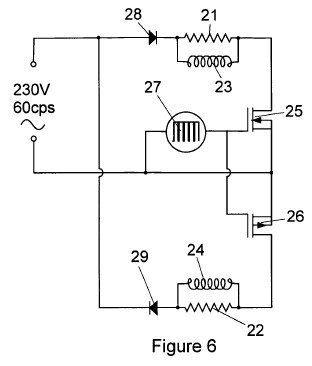
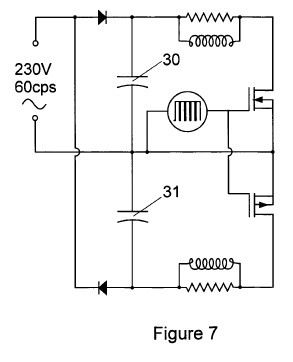
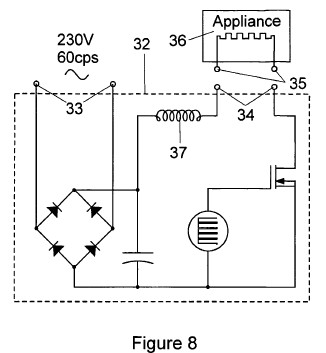
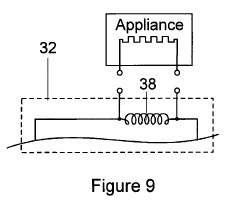
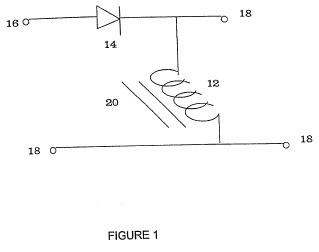
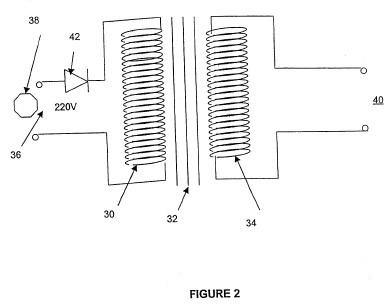
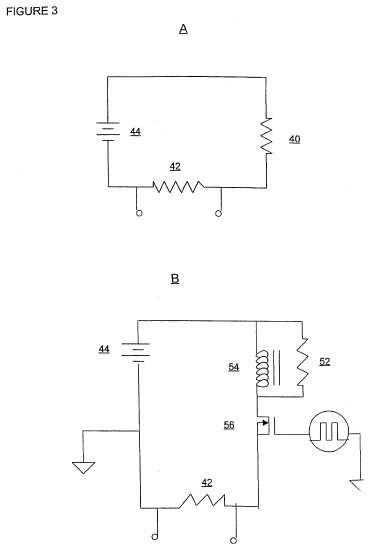
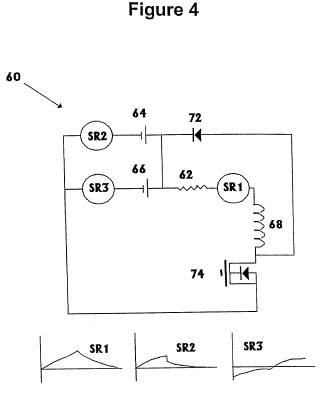
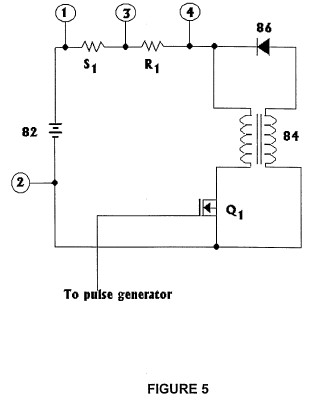
A magnetic-dipole-based field model predicts that a tachyonic particle moving faster than light creates a break in magnetic field symmetry, producing a counter-electromotive force (back-EMF) in inductive components. By rapidly interrupting current in an inductor (>=40 Hz), the circuit generates a transient negative voltage that can be fed back to the source or used to charge a battery, allegedly yielding a coefficient of performance (COP) greater than 1.
Principles
- Symmetry breaking
- Correspondence principle
- Back-EMF generation
- High-frequency current interruption
- Transient negative voltage
Scientific Domains
Materials
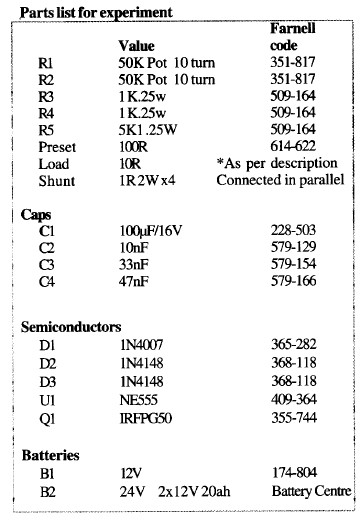
- Copper wire
- Magnetic core material (e.g., ferrite)
- Resistive load (heater)
- Battery
Mechanisms of Action
- Inductive back-EMF harvesting
- Switching duty-cycle control
- Transient energy feedback to source
Energy Sources
Applications
- Efficient power supplies
- Electric heating with reduced input power
- Battery charging
Claimed Performance
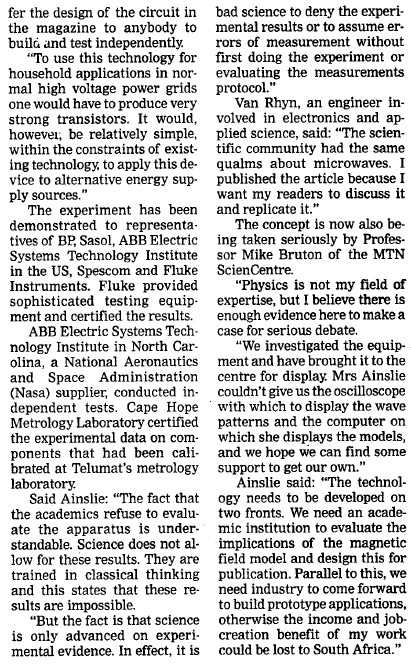
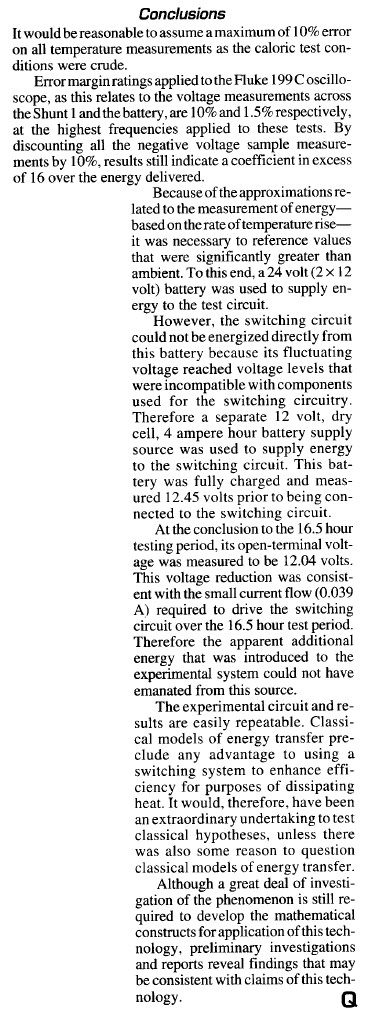
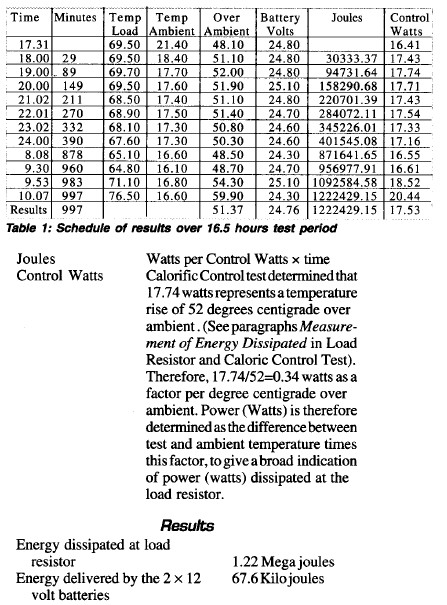
COP reported > 17 (overunity) in early tests; later tests showed net positive battery drain of 14-15 W with only 2.4-3.4 W heat output.
Experimental Evidence
Initial 2002 quantum-magazine circuit tests claimed overunity; a 2013 replication attempt failed to reproduce the results and led to a withdrawal of the paper.
Replication Status
Failed replication; authors withdrew the 2002 paper after 2013 experiments showed net positive power consumption.
Limitations
- Lack of reproducible experimental data
- Theoretical model not peer-reviewed
- Potential measurement errors in early tests
Red Flags
- Paper withdrawn after failed replication
- Claims of > 17 COP without independent verification
- Contradictory results between 2002 and 2013 experiments