Goal
Increase the efficiency of existing water heaters by extracting heat from ambient air, reducing electricity/gas consumption.
Problem
High energy consumption and cost of conventional water heating (electric, gas, propane).
Concept Summary
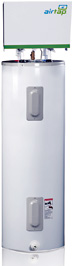
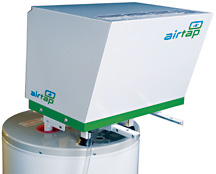
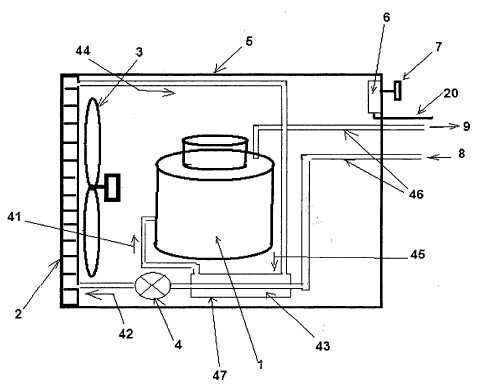
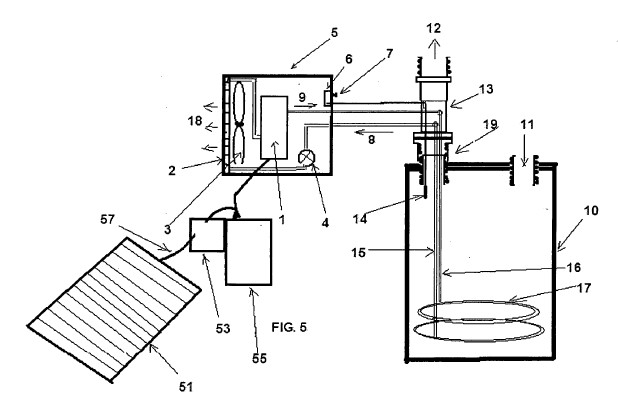
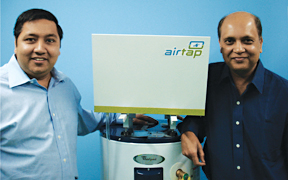
AirTap is a retrofit heat-pump module that attaches to the top of a 30-80 gal water tank. A low-wattage electric compressor extracts heat from surrounding air and transfers it via copper tubing to the water, providing hot water while also delivering cooled, dehumidified air.
Detailed Description
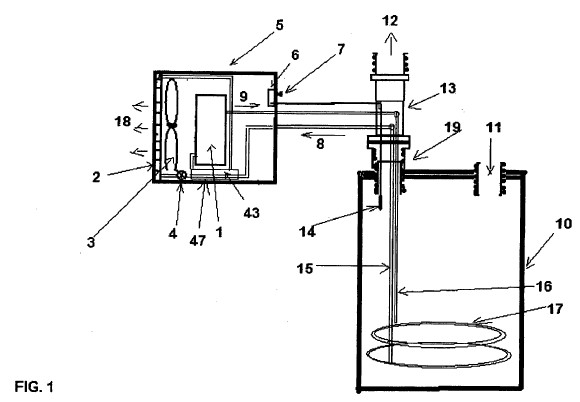
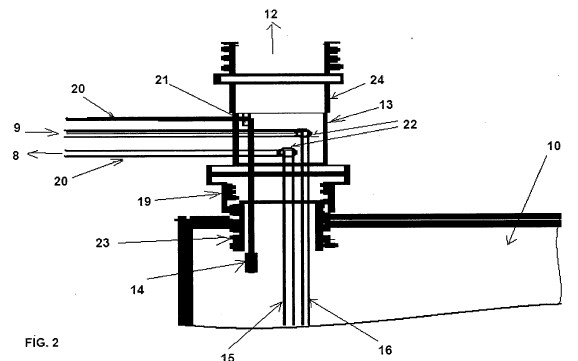
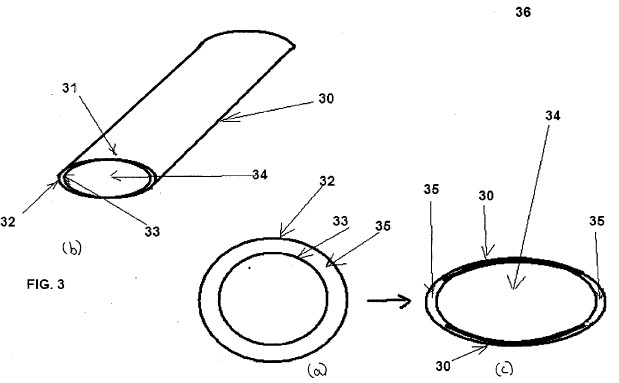
The device consists of a metal housing containing a small compressor driven by ~6 A at 110 V. Heat is absorbed from ambient air and conveyed through long copper tubes to an adaptor that injects the heat into the water tank. The system operates without a separate water pump or complex electronics, can be installed by end-users, and includes a duct kit (AirVent) for routing the extracted cool air for space cooling or venting. The unit costs under $500 and claims a one-year payback.
Principles
- Heat pump refrigeration cycle
- Air-to-water heat exchange
- Compressor-driven heat extraction
Scientific Domains
Materials
- Copper tubing
- Metal housing (steel/aluminum)
- Refrigerant (unspecified)
- Electrical components (wiring, capacitor)
Mechanisms of Action
- Ambient air heat is absorbed by the evaporator
- Compressor raises refrigerant temperature
- Condensing heat is transferred via copper tubes to water
- Cool air is expelled as a by-product
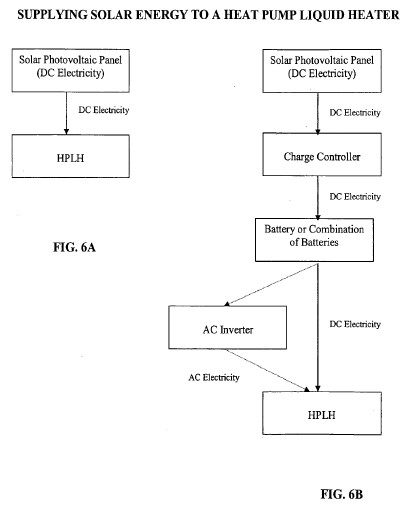
Energy Sources
Applications
- Residential hot water supply
- Space cooling in hot climates
- Dehumidification
Claimed Performance
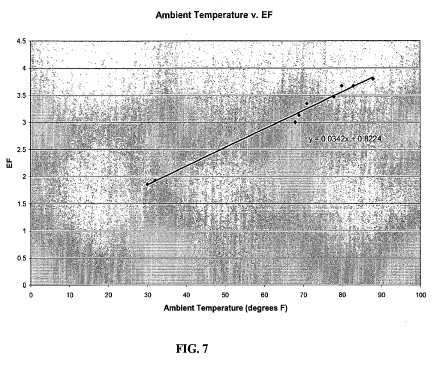
250-300 % improved efficiency, 60-80 % energy savings; uses ~1/4 of the electricity of a conventional heater, equivalent to the power of an 8-cup coffee maker.
Experimental Evidence
Pilot program with Southern Company (2-week field test in four states) and >700 units installed across 40 U.S. states; certifications by GAMA/DOE as most energy-efficient water heater.
Replication Status
Field pilot completed; several hundred units in commercial use; no independent third-party replication reported.
Limitations
- Performance drops in very cold ambient air
- Requires an electrical outlet
- Limited heating capacity compared to large gas burners