Goal
Generate electricity from wind at lower cost, with smaller footprint and lower cut-in wind speed than conventional turbines.
Problem
High material and installation costs of tall towers, bird and human impacts, vibration-related health concerns, limited operation at low wind speeds, and large land use of traditional wind farms.
Concept Summary
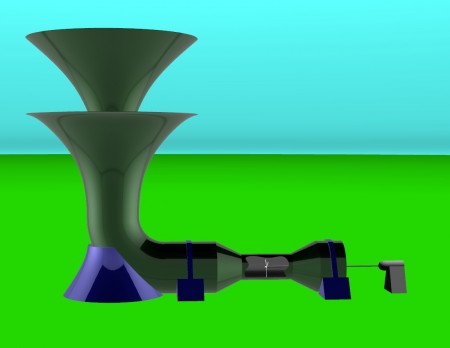
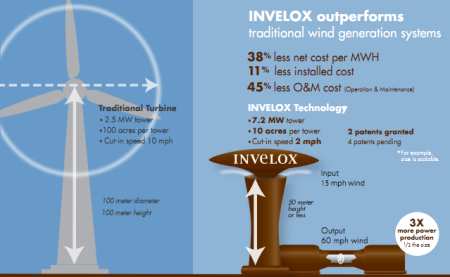
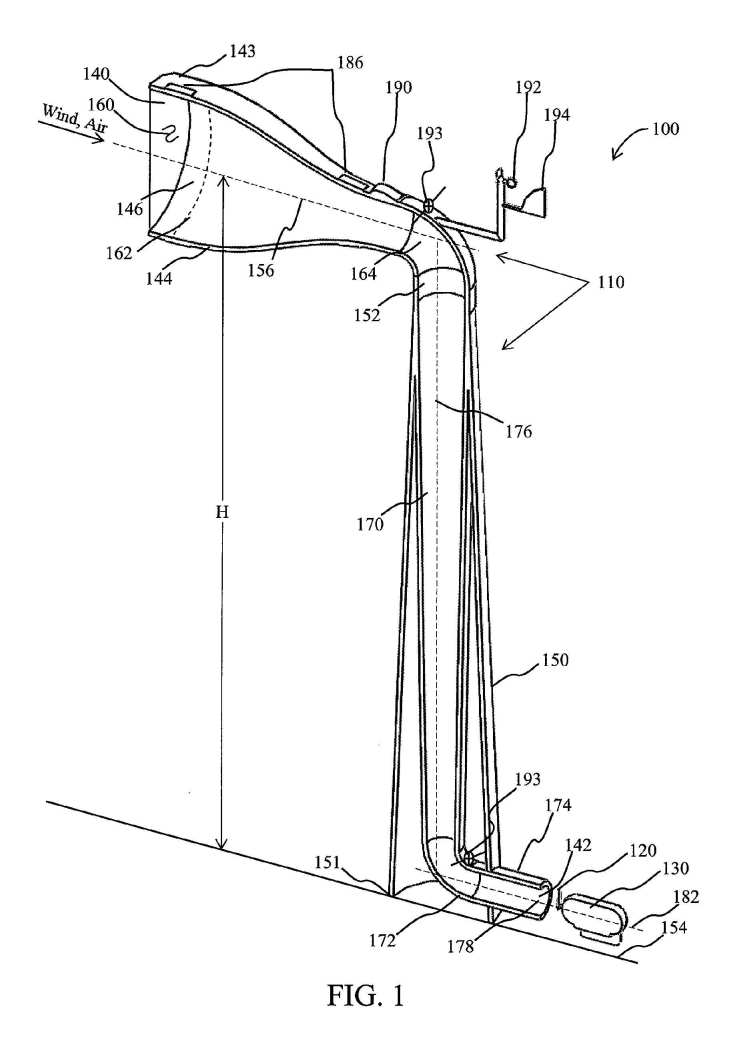
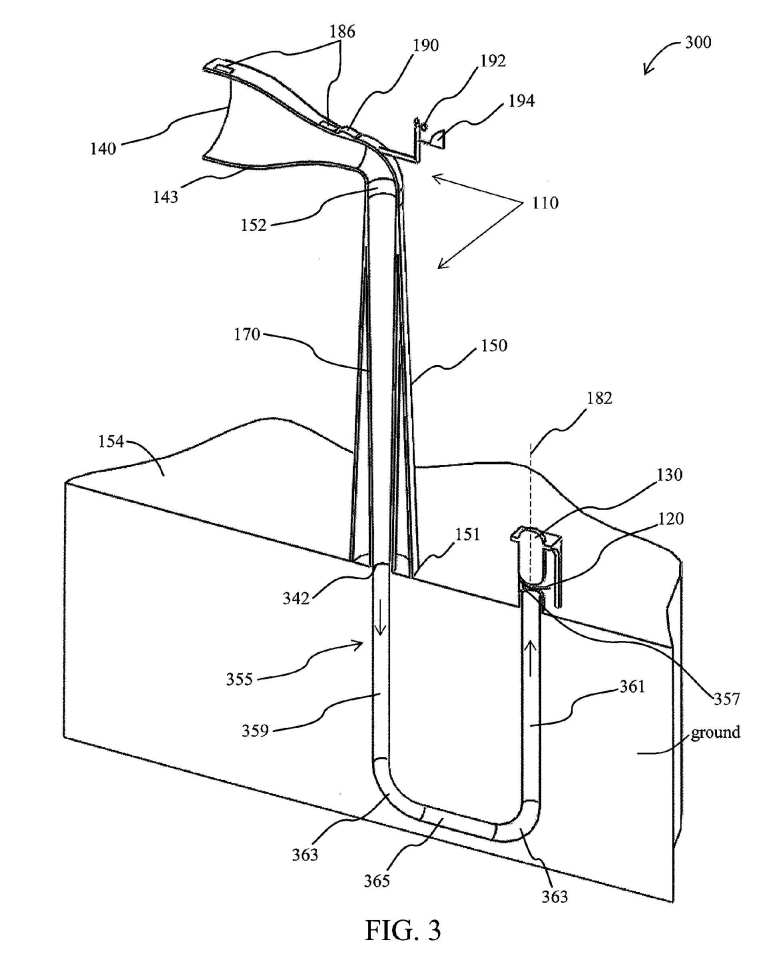
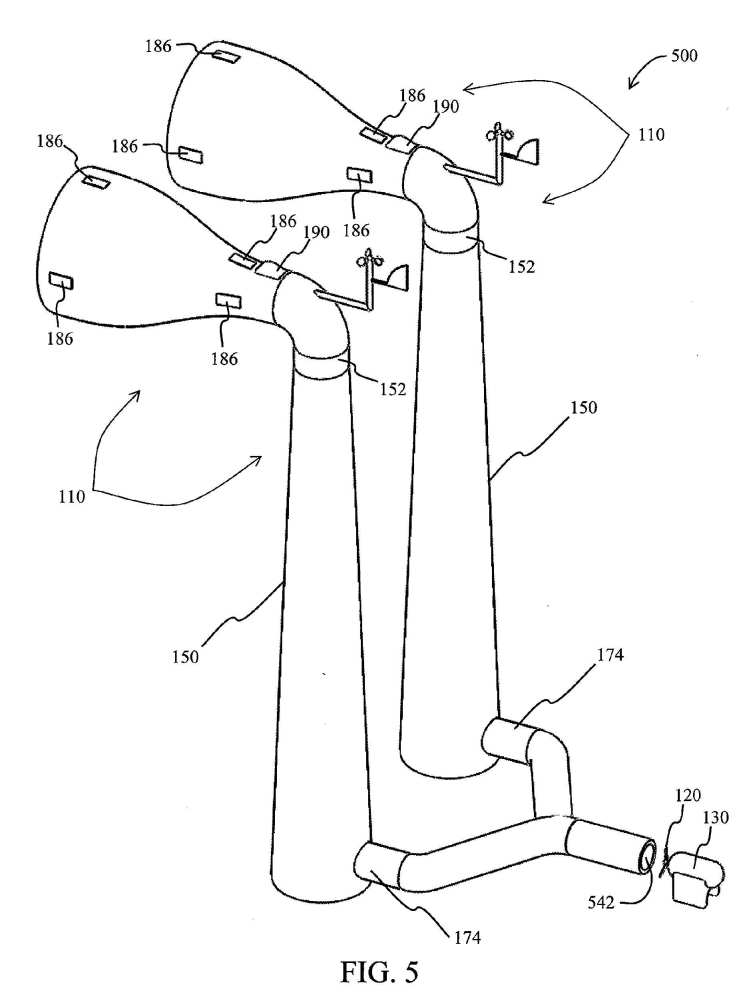
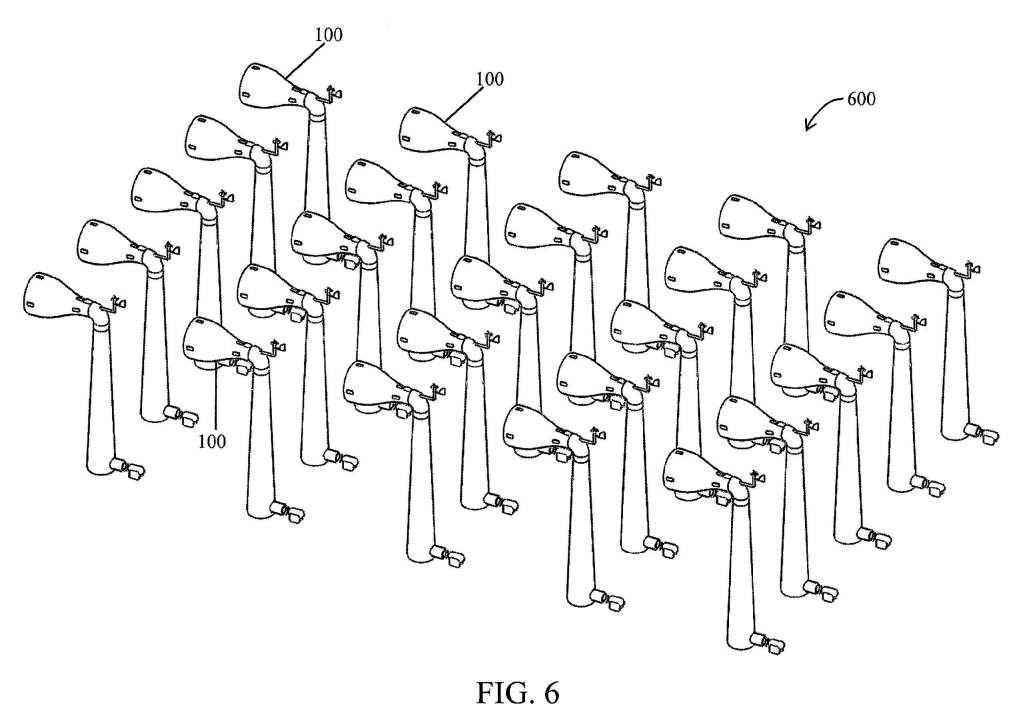
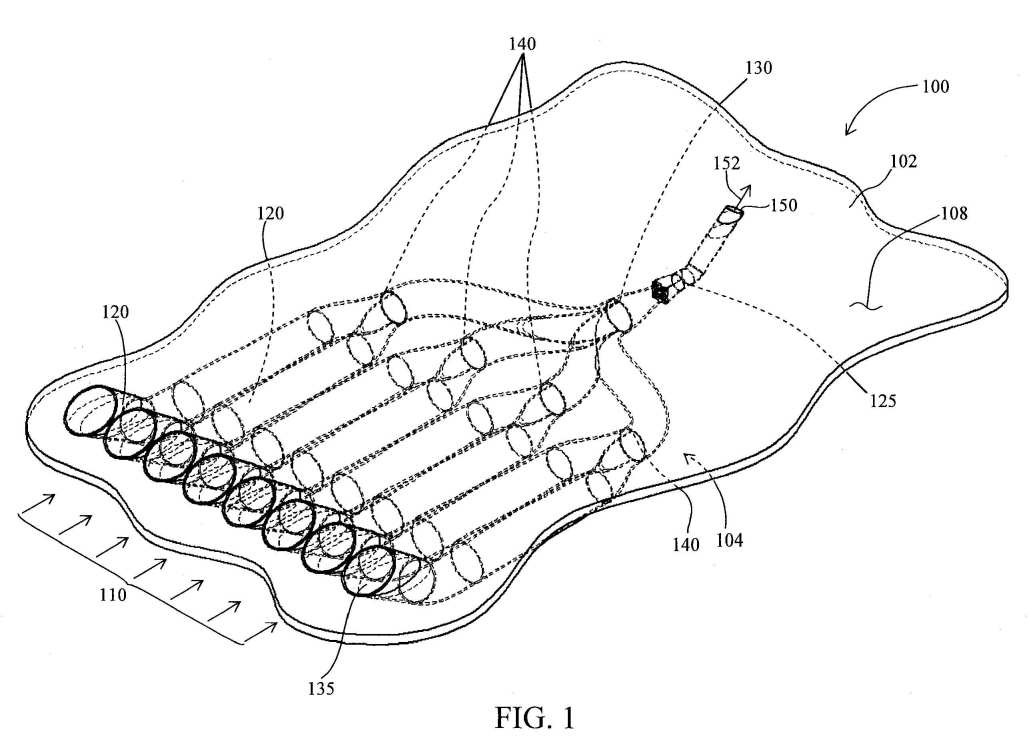
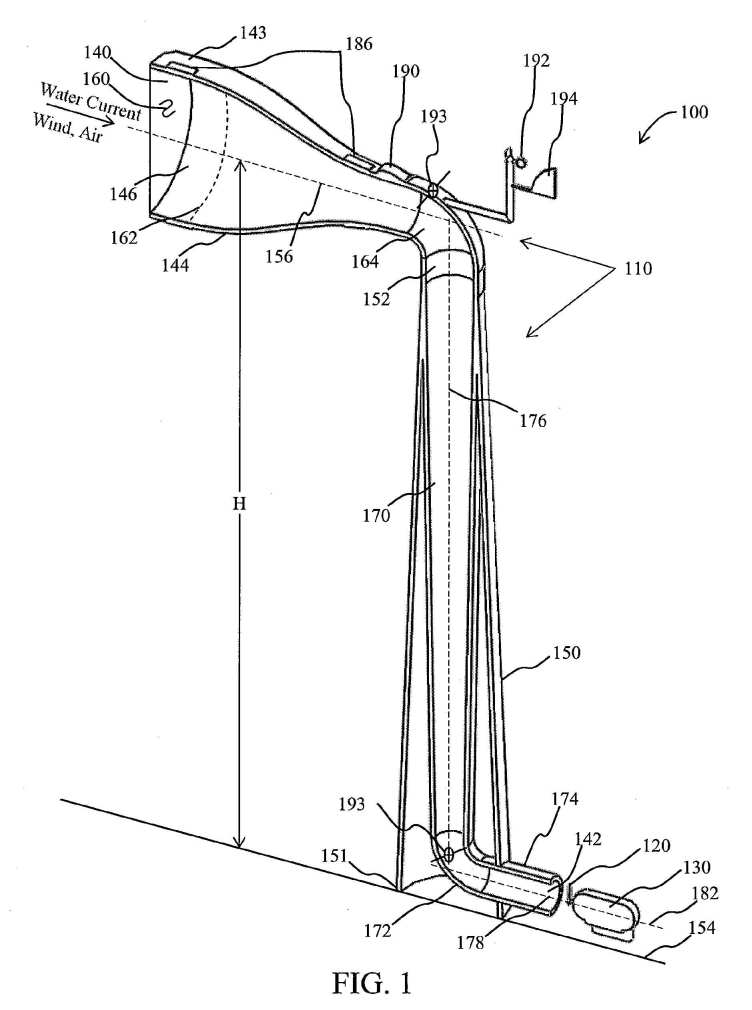
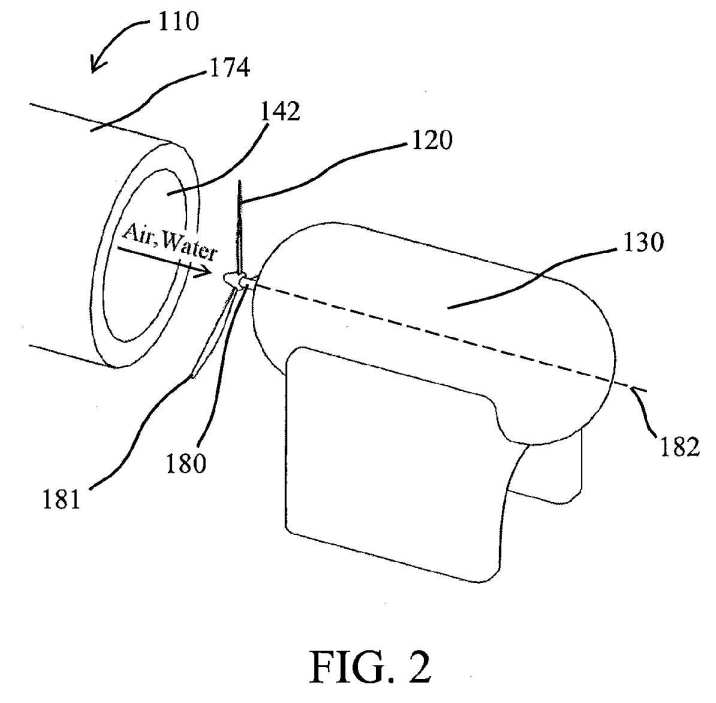
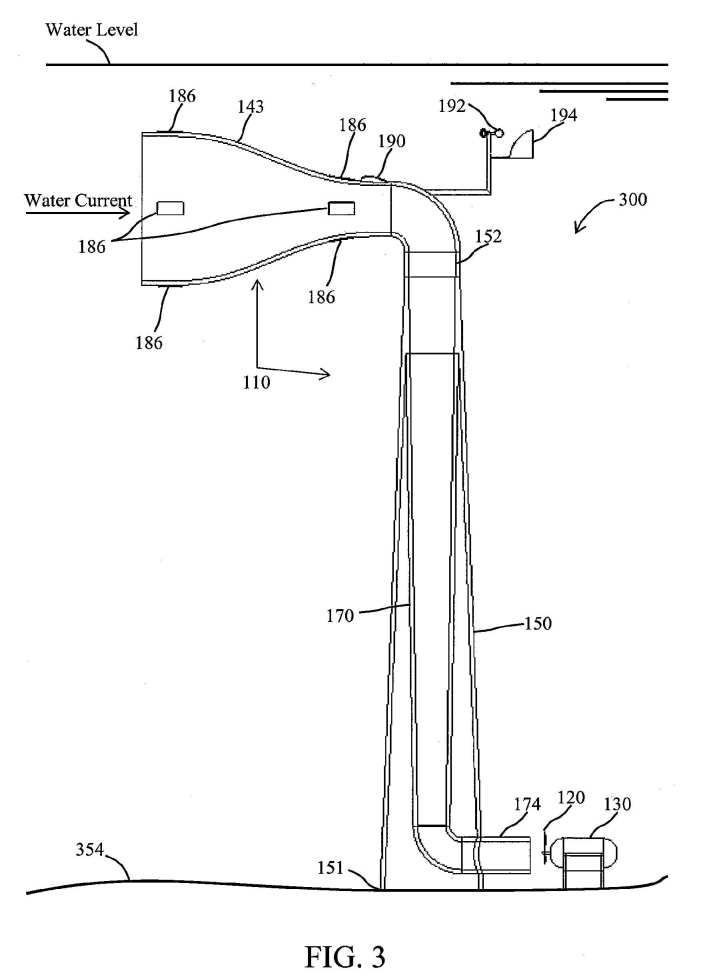
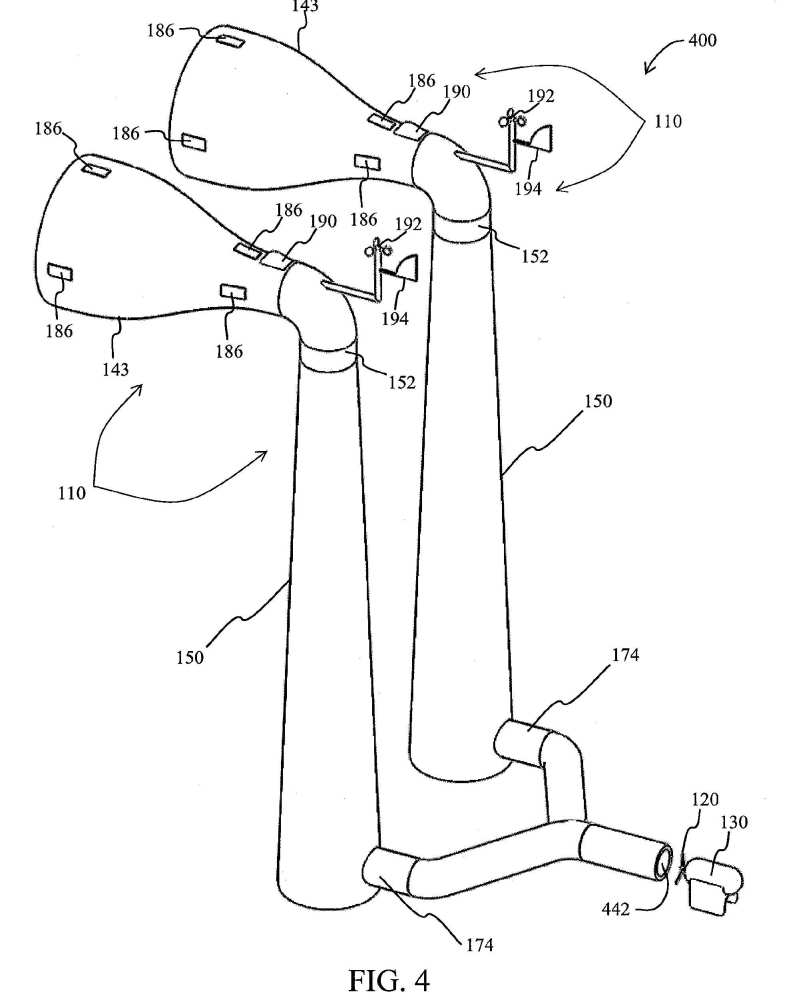
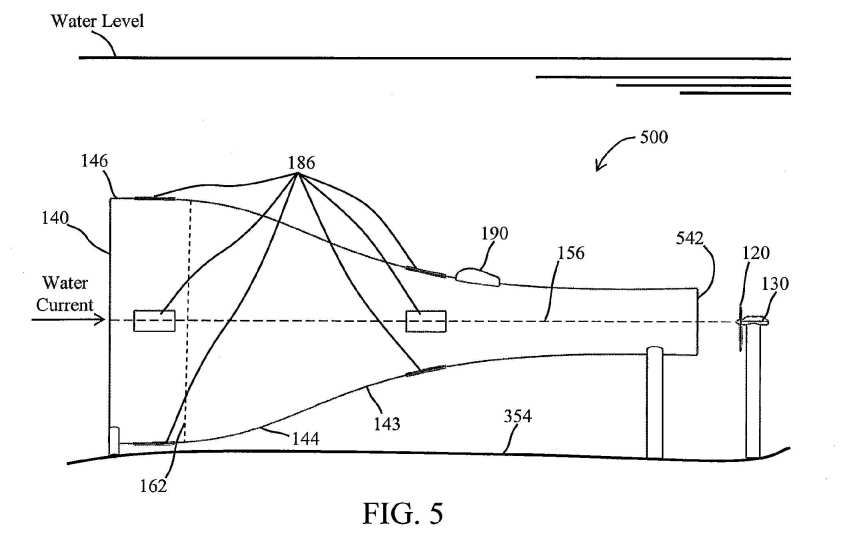
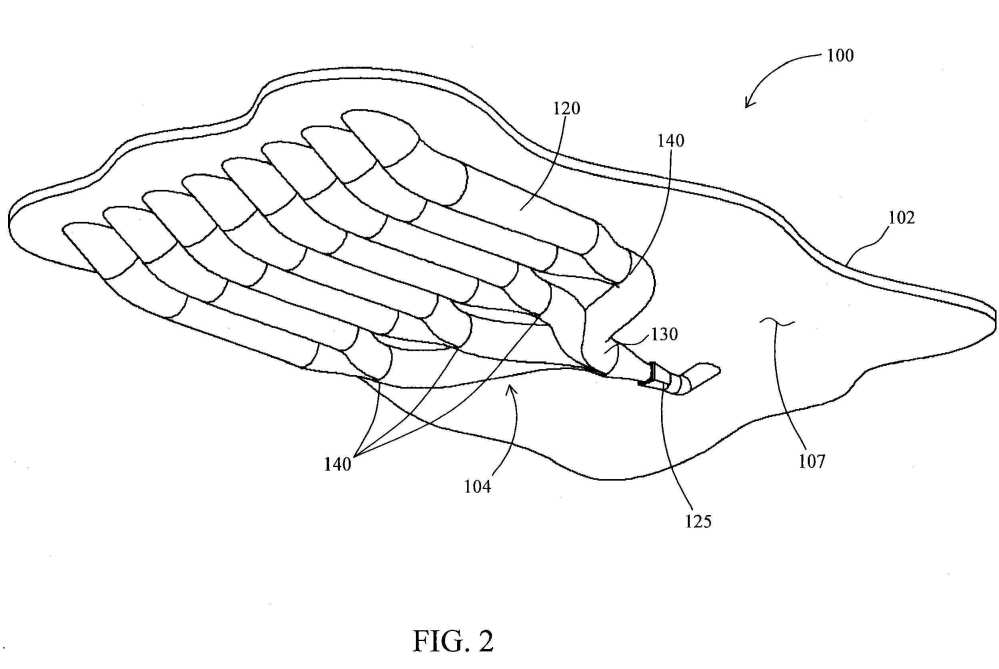
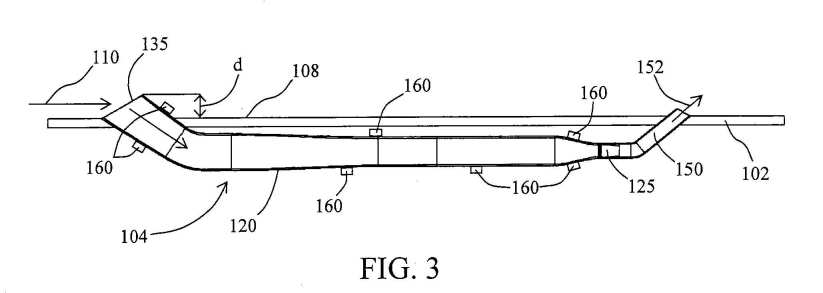
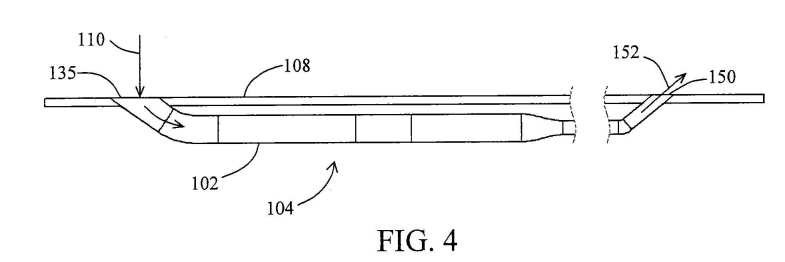
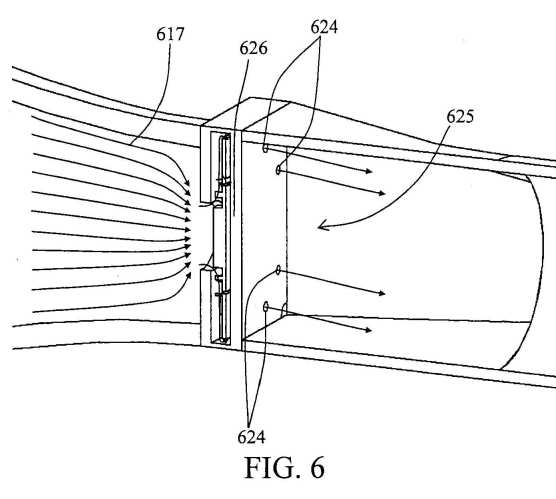
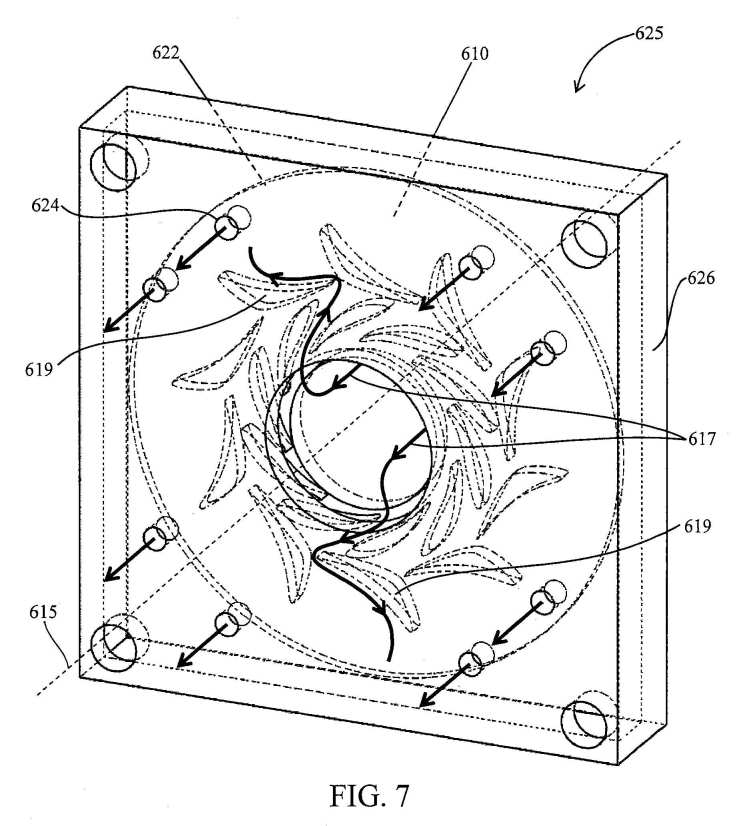
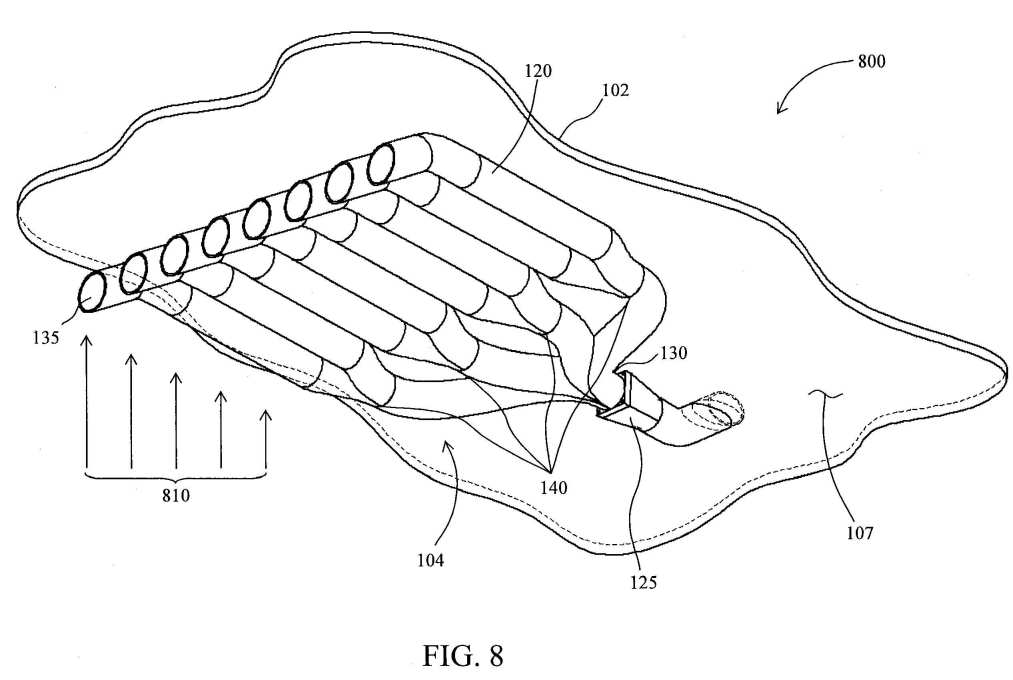
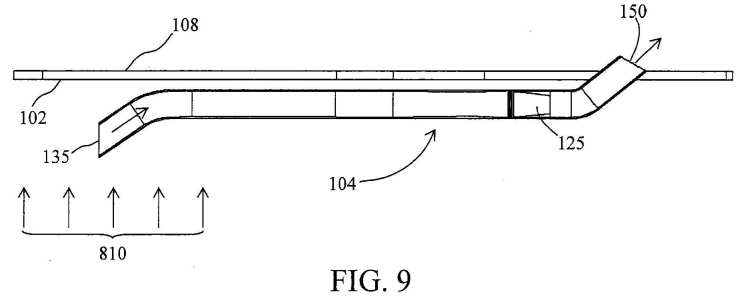
Invelox uses a horn-shaped, tapered intake that captures low-speed wind near the ground, funnels it through a venturi-like passage to increase velocity, and drives a ground-level generator. The design aims to produce 2-3x the power of a conventional turbine of comparable size while using less material and land.
Principles
- Conservation of mass (continuity equation) in a converging duct
- Bernoulli's principle - pressure drop accelerates airflow
- Venturi effect - kinetic energy increase in a narrowed passage
- Ground-level power conversion
Scientific Domains
Materials
- Steel (initial prototypes)
- Aluminium (possible alternative)
- Biodegradable composite (future goal)
Mechanisms of Action
- Wind capture by a large, low-profile horn-shaped intake
- Funneling of airflow through a tapered tunnel to raise velocity
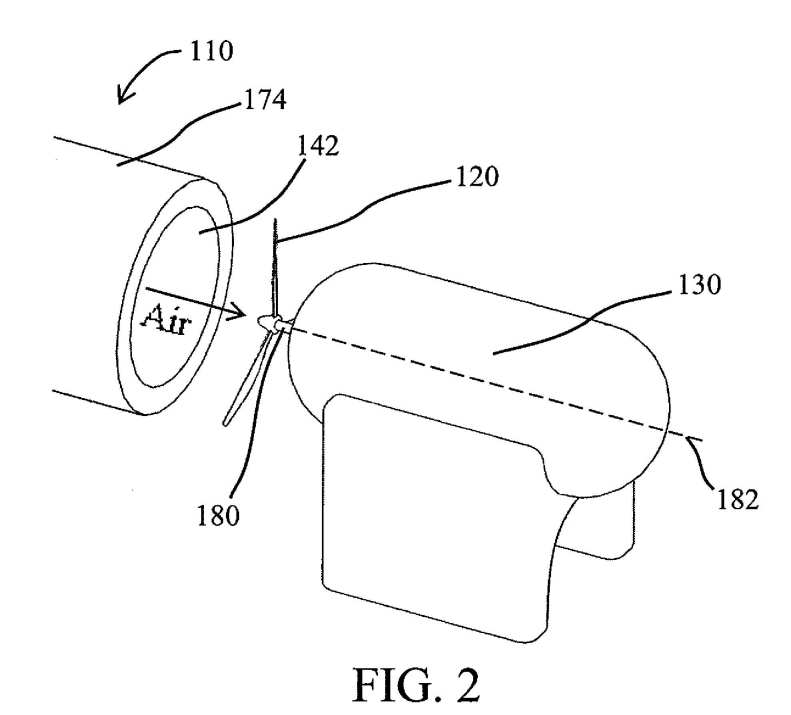
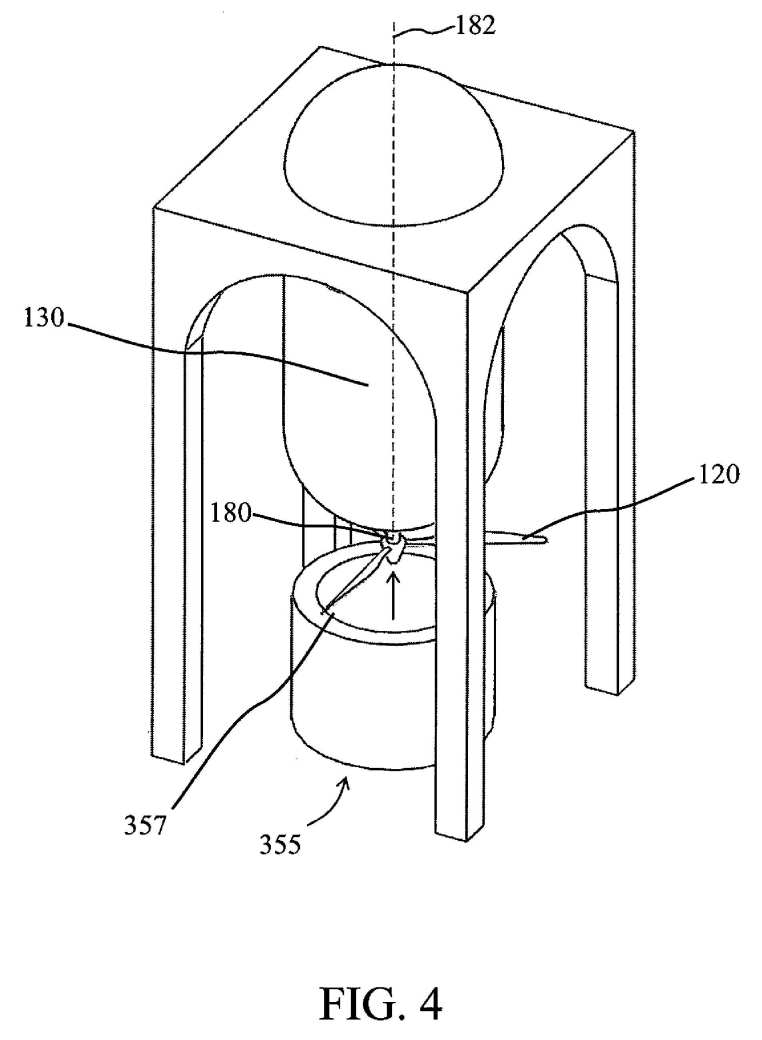
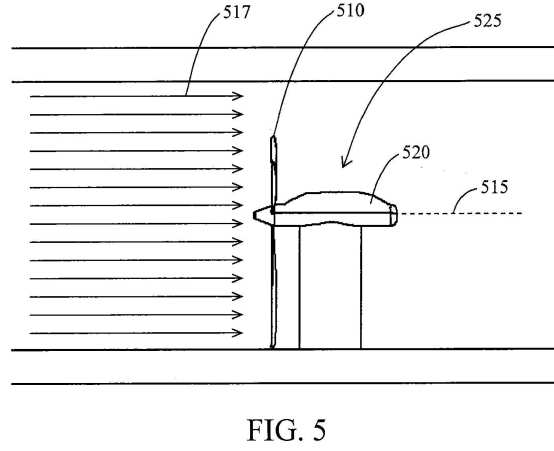
- Driving of a conventional ground-based turbine/generator
Energy Sources
Applications
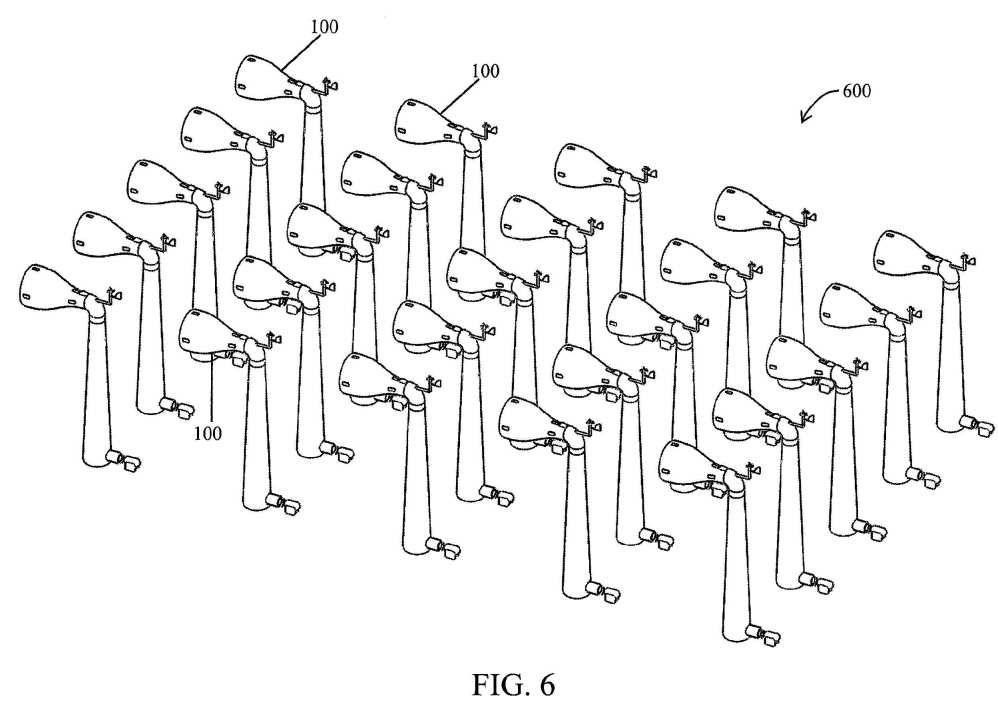
- Utility-scale power generation
- Residential and commercial rooftop power
- Mobile disaster-relief power units
- Urban distributed generation
Claimed Performance
200 % greater power output, 50 % shorter tower, 8x smaller footprint, 5x lower cut-in speed (2 mph), 38 % less net cost/MWh, 3 x power of a conventional turbine, electricity3.5 cent/kWh.
Experimental Evidence
Several laboratory prototypes have been built; computer simulations predict 3x power increase; field testing of life-size units planned for early 2012.
Replication Status
Prototypes fabricated; testing scheduled but no independent replication reported.
Limitations
- Performance based on simulations; limited field data
- Scaling of tapered duct and structural loads not yet proven
- Material durability for outdoor exposure
- Regulatory approval for unconventional tower shapes
Red Flags
- Reliance on promotional claims and simulations without published test data
- No independent third-party verification of performance
- Future performance targets (e.g., biodegradable construction) are speculative