Confidence
0.60
Practicability
0.40
Evidence
0.20
Fringe Score
0.70
Risk
0.20
TRL
3
Goal
Provide thrust or lift without conventional reaction-mass propulsion, enabling low-drag or anti-gravity vehicle motion.
Problem
Current propulsion methods rely on expelling mass, which limits efficiency and payload for aircraft and spacecraft.
Concept Summary
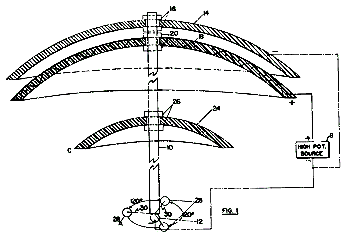
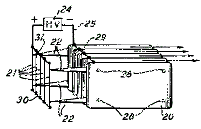
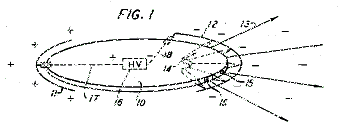
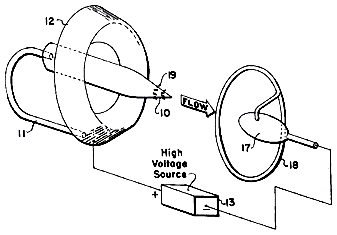
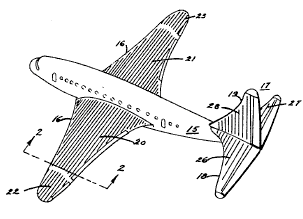
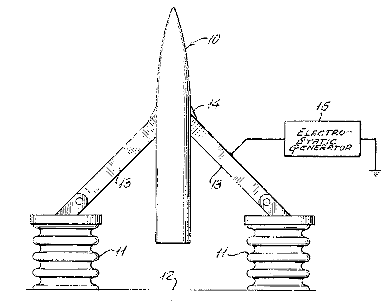
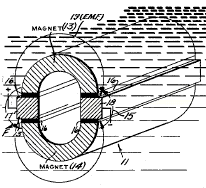
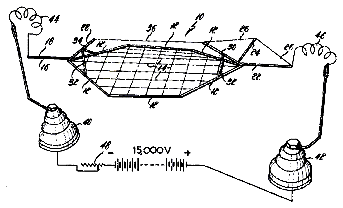
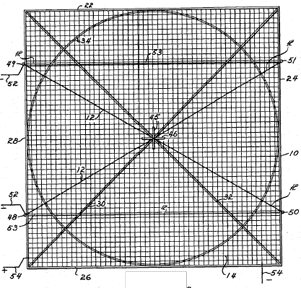
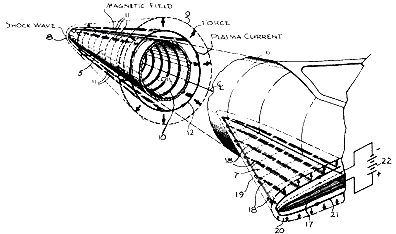
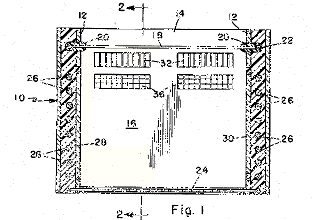
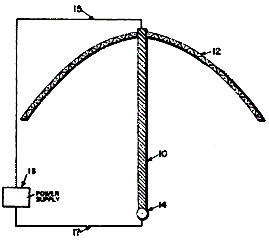
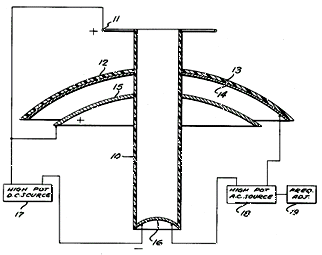
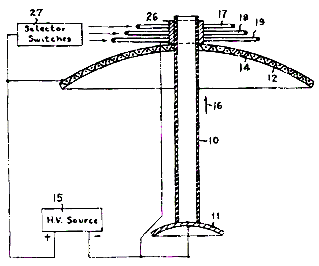
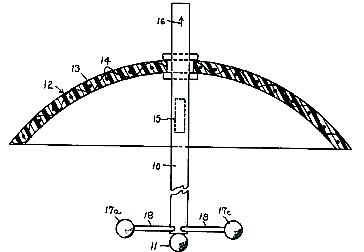
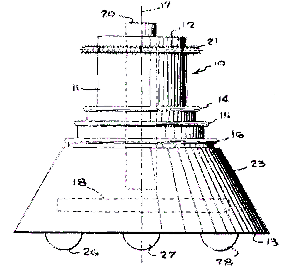
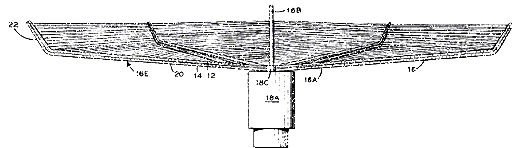
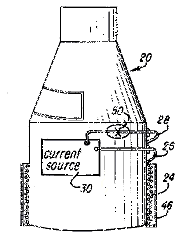
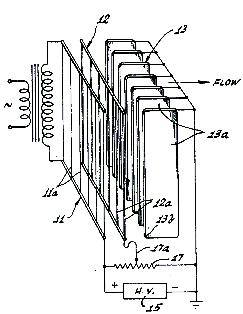
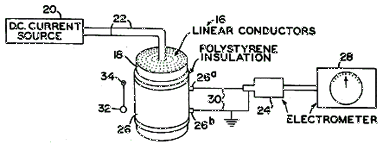
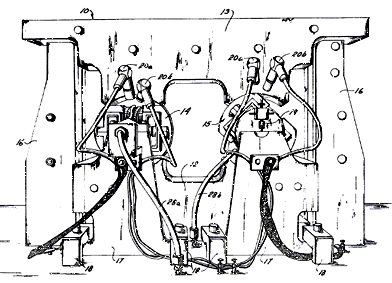
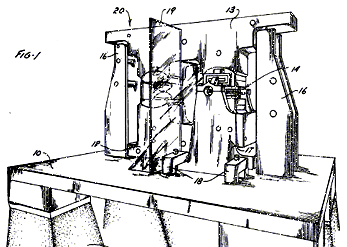
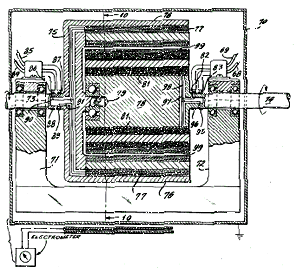
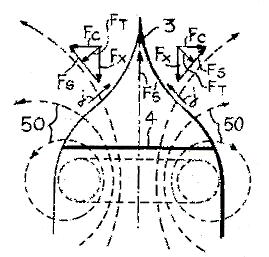
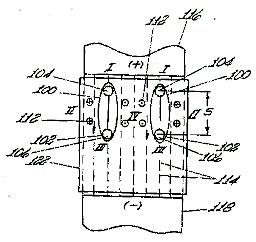
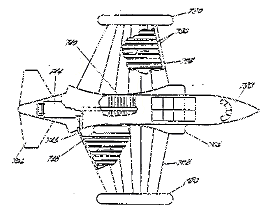
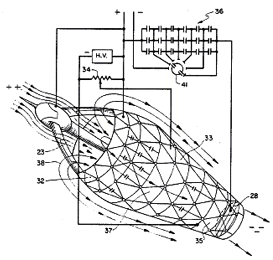
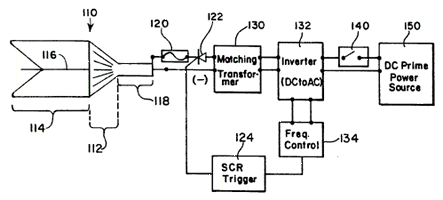
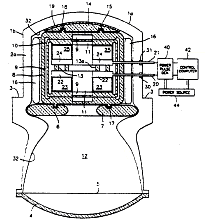
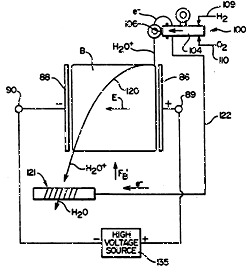
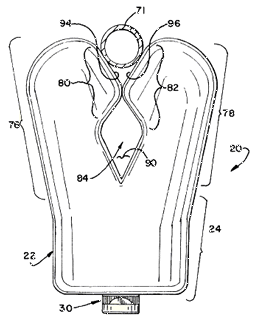
A collection of U.S. patents describing various electromagnetic, electrostatic, magnetohydrodynamic, and electrokinetic approaches that generate thrust by creating and manipulating force fields (e.g., ion wind, Lorentz forces, corona discharge). The patents claim that such fields can produce net thrust or lift for vehicles, airships, and spacecraft.
Principles
- Electromagnetism
- Electrostatics
- Magnetohydrodynamics
- Electrokinetics
- Corona discharge
Scientific Domains
Materials
- Conductive metals
- Dielectric polymers
- Magnetic alloys
- Plasma gases
Mechanisms of Action
- Force-field generation
- Ion wind (electrohydrodynamic thrust)
- Lorentz force on conductive fluids
- Electrostatic attraction/repulsion
- Corona-induced plasma thrust
Energy Sources
Applications
- Aircraft
- Airships
- Spacecraft
- Ground-effect vehicles
Limitations
- No publicly documented experimental data demonstrating net thrust
- Reliance on high-voltage equipment
- Unclear scalability to practical vehicle sizes
Red Flags
- Potential pseudoscientific claims of anti-gravity
- Lack of peer-reviewed validation
- Heavy reliance on patent language rather than experimental results