Goal
Selective killing of cancer cells while sparing normal cells
Problem
Toxicity of conventional chemotherapy that damages healthy tissue
Concept Summary
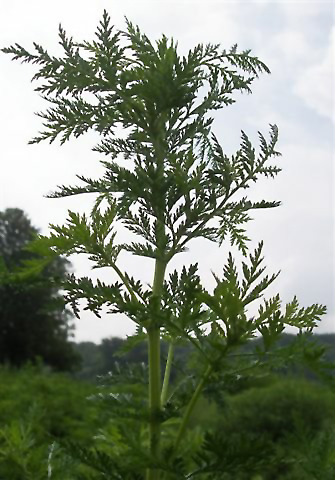
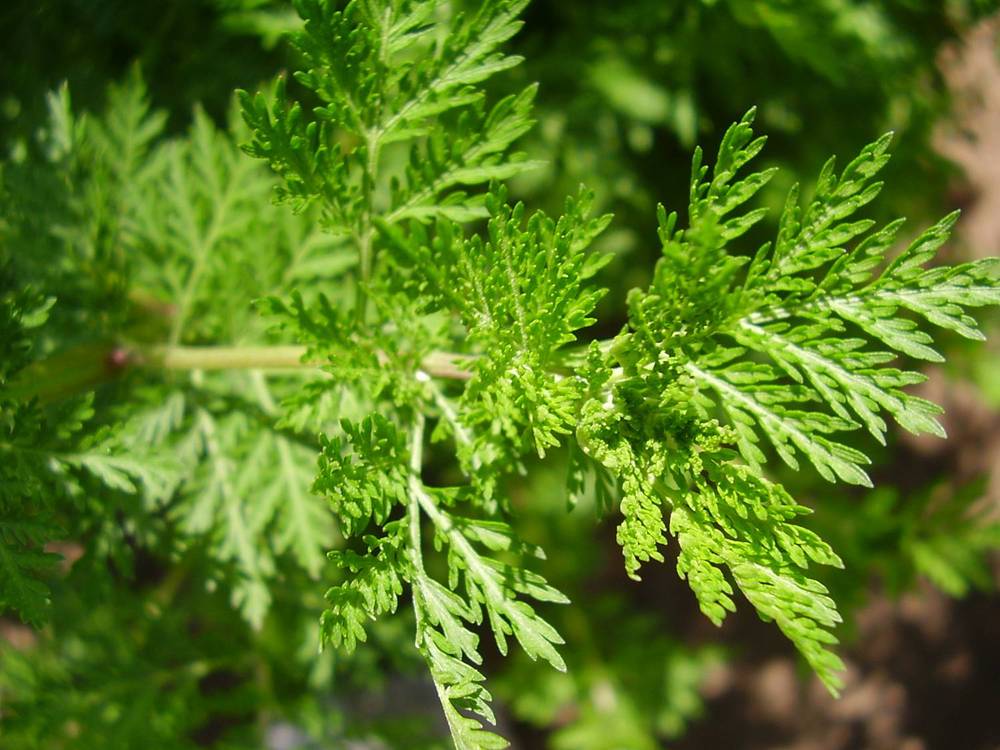
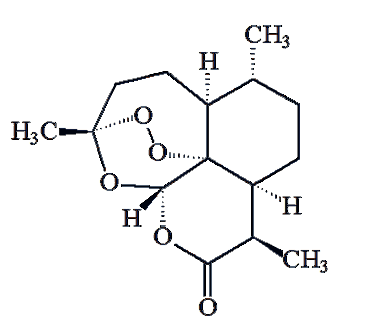
Artemisinin, a sesquiterpene endoperoxide from wormwood, reacts with intracellular iron to generate free radicals that selectively kill cancer cells. Adding iron supplements or iron-binding agents (e.g., holotransferrin) enhances this effect, achieving up to 98 % reduction of breast-cancer cells in vitro within 16 hours while leaving normal cells largely unaffected.
Principles
- Endoperoxide activation by iron/heme
- Free-radical generation
- Selective cytotoxicity via oxidative stress
- Cell-cycle arrest
Scientific Domains
Materials
- Artemisinin
- Dihydroartemisinin
- Artemether
- Arteether
- Artesunate
- Iron salts (e.g., ferrous sulfate)
- Holotransferrin (iron-protein complex)
Mechanisms of Action
- Reductive cleavage of artemisinin's peroxide bridge in the presence of iron
- Formation of carbon-centred free radicals that damage tumor cell membranes and DNA
- Iron-mediated enhancement of intracellular oxidative stress
- Induction of apoptosis and cell-cycle arrest in cancer cells
Applications
- Systemic treatment of solid tumors
- Topical treatment of skin cancers
- Adjunct therapy with existing chemotherapeutics
Claimed Performance
98 % kill of breast-cancer cells in 16 hours when combined with iron; approximately 100 cancer cells killed per healthy cell; IC_5_0 values as low as 1.4 uM for certain dihydroartemisinin dimers.
Experimental Evidence
In-vitro studies on human breast-cancer (MOLT-4), leukemia, and Ehrlich ascites tumor cells showing dose- and time-dependent cytotoxicity when artemisinin is administered with holotransferrin; figures in the patent illustrate cell-count reductions after 8 hours of treatment.
Replication Status
licensed
Limitations
- No human clinical trial data
- Efficacy demonstrated only in vitro
- Potential iron overload or oxidative damage to normal tissue
- Low water solubility of artemisinin limiting formulation
Red Flags
- Not FDA-approved for any indication
- Claims of high efficacy based on limited pre-clinical data
- Potential for misuse as an unproven 'cancer cure'