Goal
Rejuvenate cells and extend health span by activating telomerase and lengthening telomeres
Problem
Cellular aging caused by telomere shortening leading to senescence and age-related decline
Concept Summary
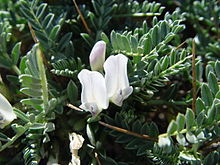
TA-65 is a purified cycloastragenol molecule extracted from Astragalus membranaceus that is claimed to activate the hTERT gene, increase telomerase activity, lengthen short telomeres and thereby improve immune function, skin, eyesight and other health-span markers.
Principles
- Telomerase activation
- Telomere lengthening
- Gene expression modulation (hTERT)
Scientific Domains
Materials
- Cycloastragenol (active molecule)
- Astragalus membranaceus root extract
Mechanisms of Action
- Activation of hTERT gene
- Increased telomerase enzyme activity
- Elongation of critically short telomeres
- Improved DNA damage repair in cells
Applications
- Anti-aging supplement
- Immune-system support
- Health-span improvement
Claimed Performance
Improves immune system, skin condition, eyesight, male sexual function; lengthens telomeres; enhances health-span indicators in mice without raising cancer incidence.
Experimental Evidence
Small human study (6 participants) showed telomerase activation in all subjects; in-vitro study demonstrated moderate increase in telomerase activity and T-cell proliferation; mouse dietary study reported health-span improvements (glucose tolerance, osteoporosis, skin fitness) and no significant cancer increase.
Replication Status
Limited; only small-scale human trial and pre-clinical mouse study reported; no large, independent clinical trials documented.
Limitations
- Lack of large, peer-reviewed clinical trials
- Unclear impact on actual lifespan
- Potential theoretical cancer risk from telomerase activation
- High cost of protocol ($25,000 per year)
Red Flags
- Very high price for a year-long protocol
- Claims of "rejuvenation" with limited independent evidence
- Potential conflict of interest (manufacturer-sponsored studies)
- Lack of high-impact peer-reviewed publications