Goal
Convert ambient static atmospheric electricity into usable alternating current for powering electronic devices.
Problem
Dependence on conventional power sources and the desire to harvest free, renewable electrical energy from the atmosphere.
Concept Summary
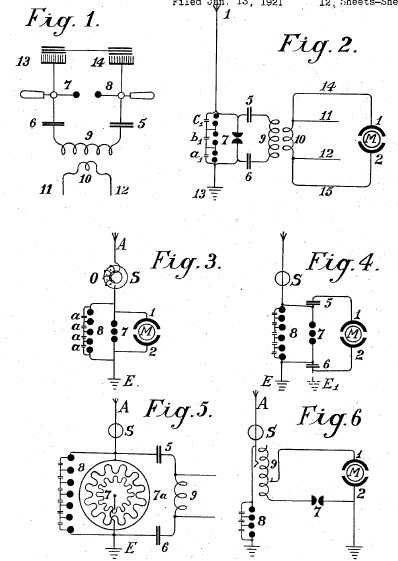
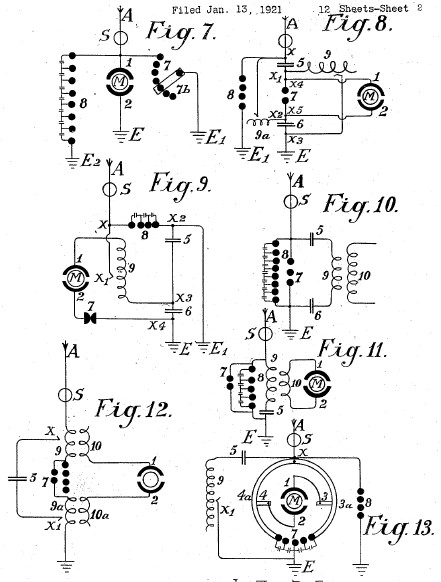
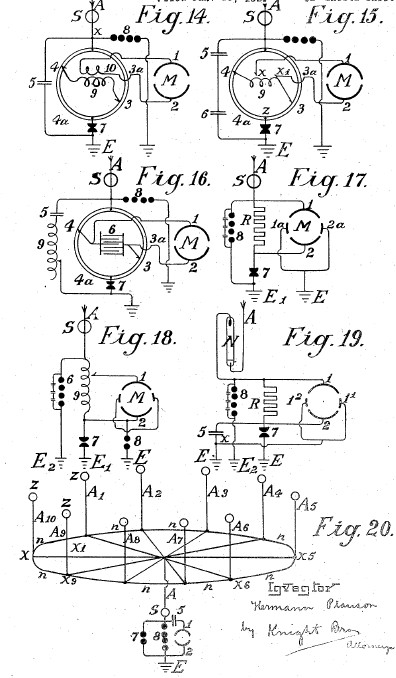
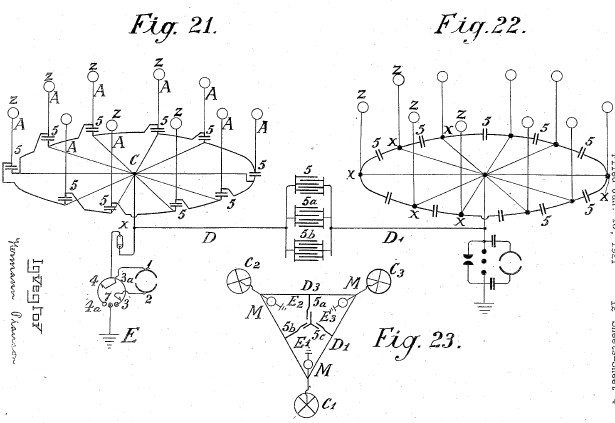
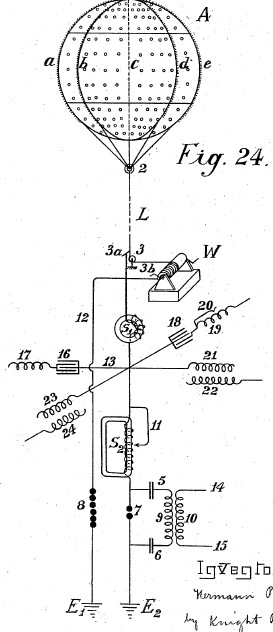
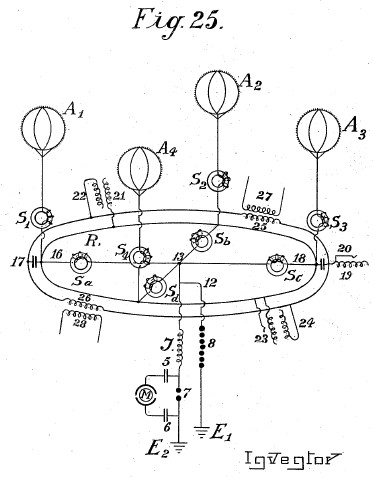
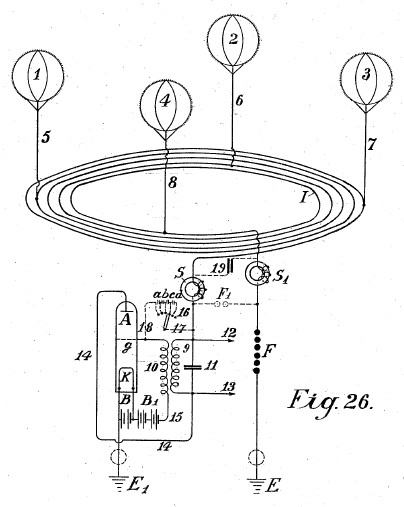
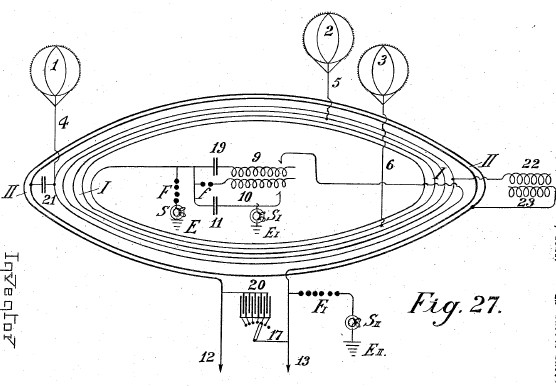
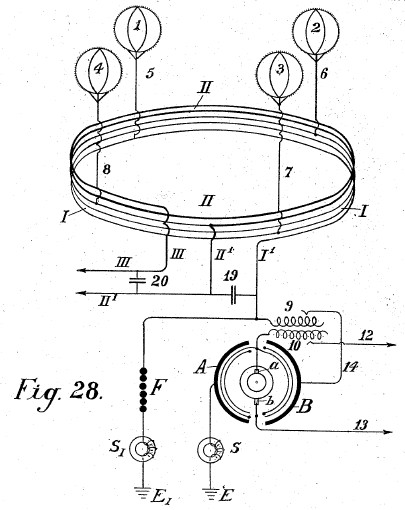
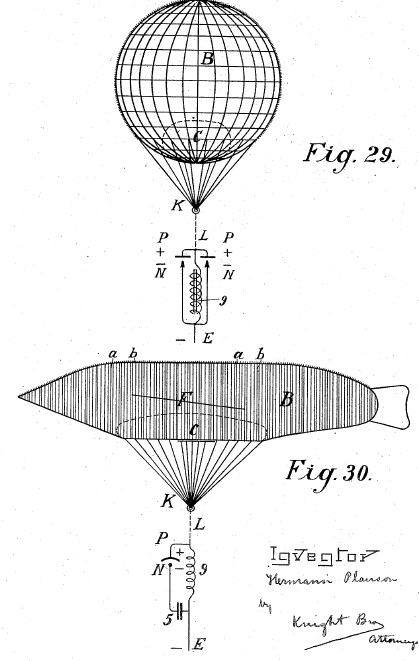
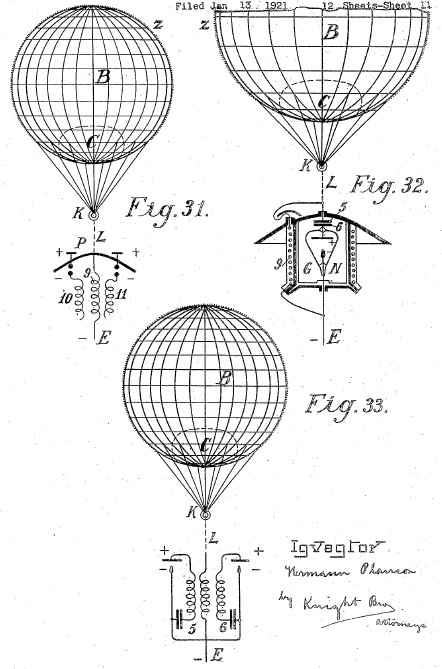
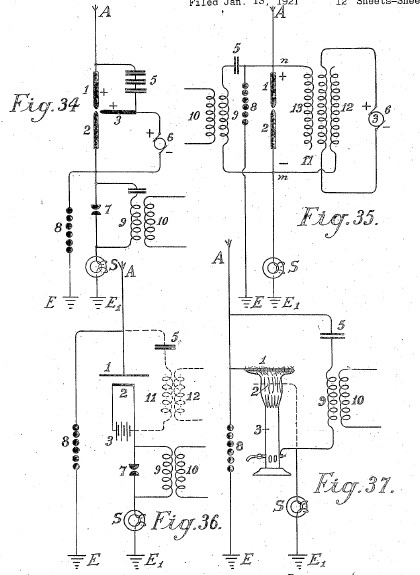
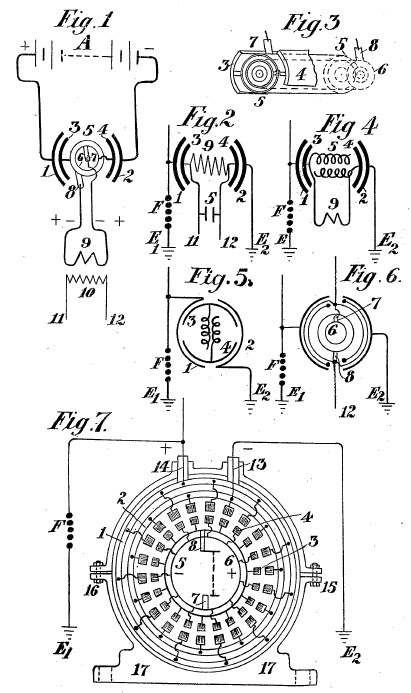
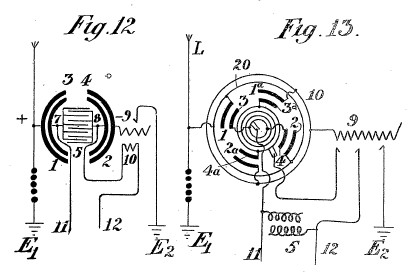
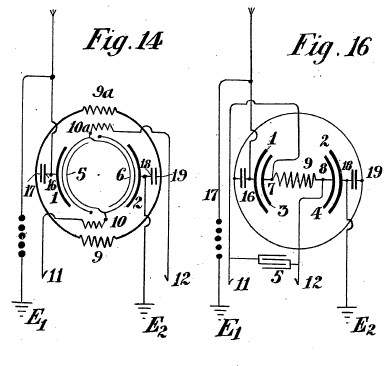
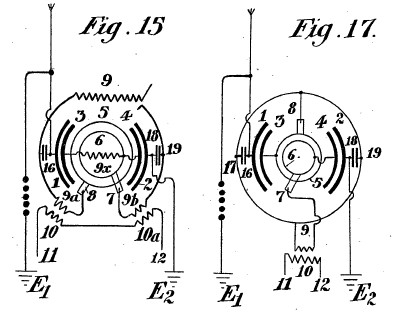
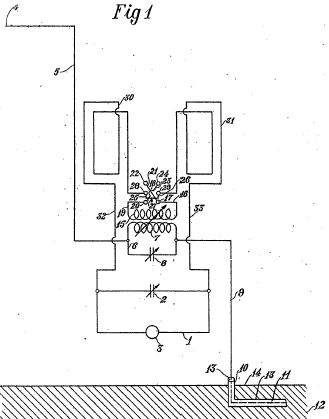
Rotary devices use aerial collectors and variable-capacitance stator/rotor plates to convert static atmospheric charge into AC power through resonance and inductive coupling.
Detailed Description
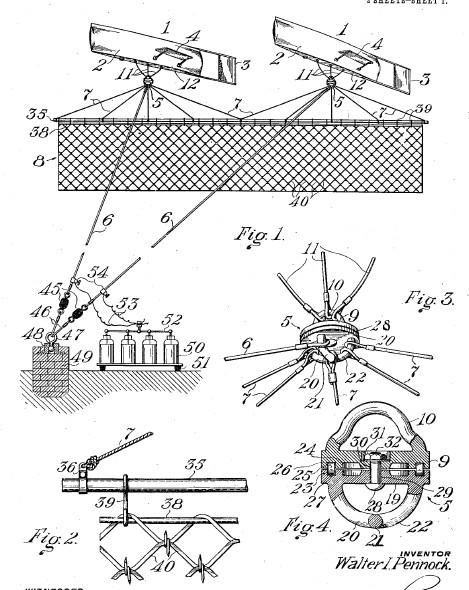
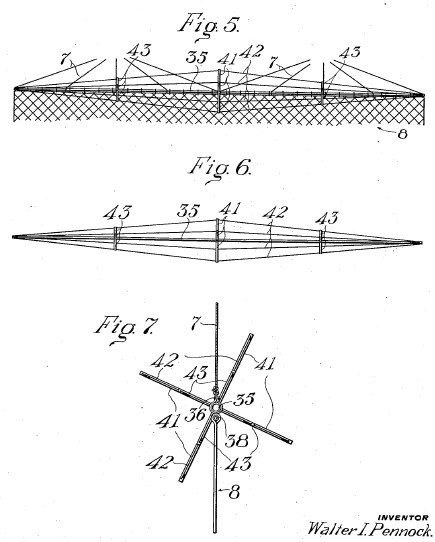
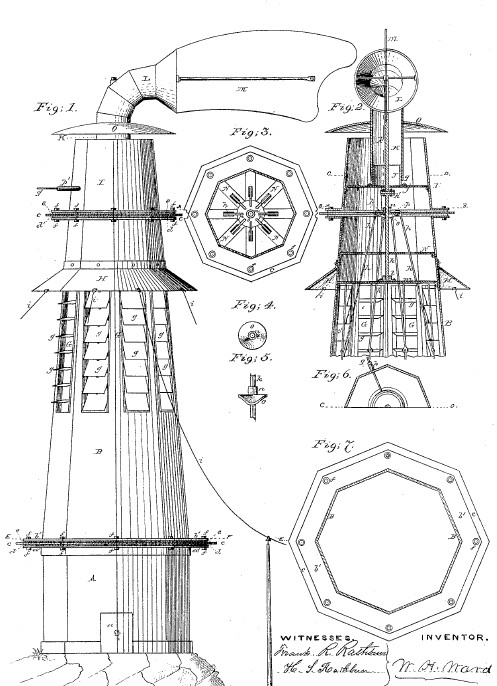
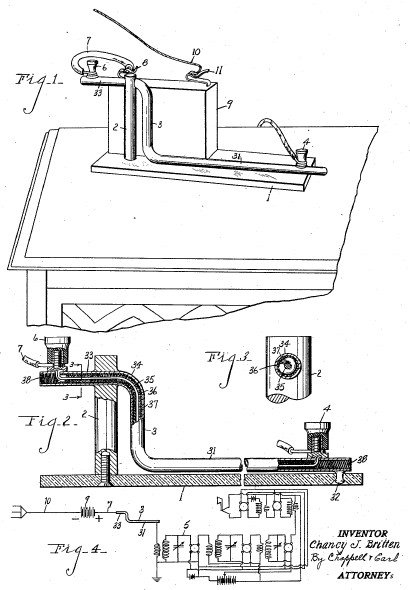
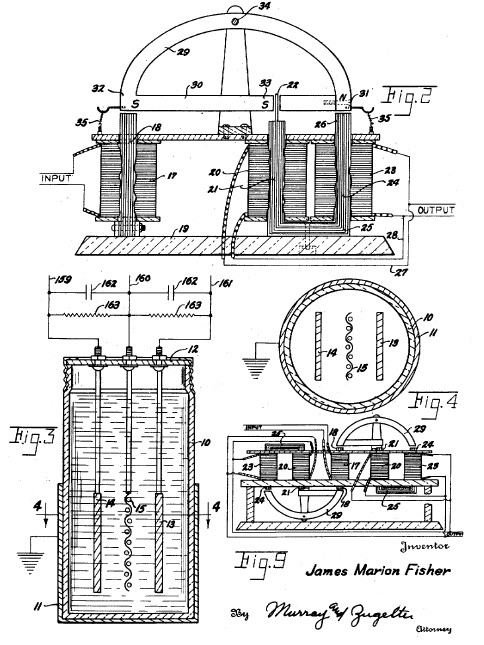
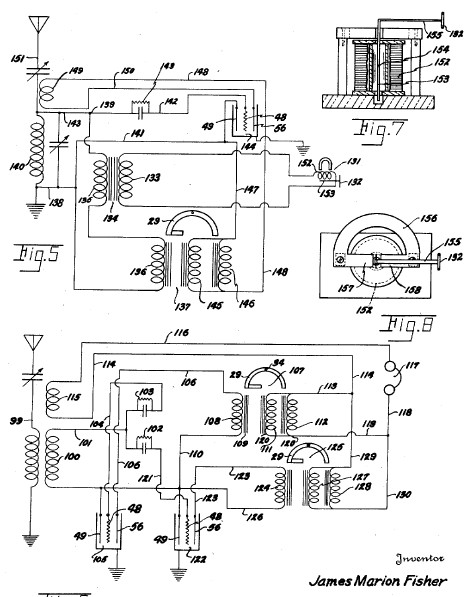
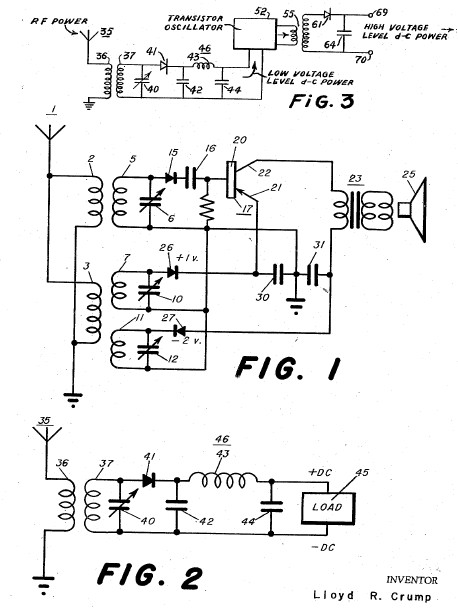
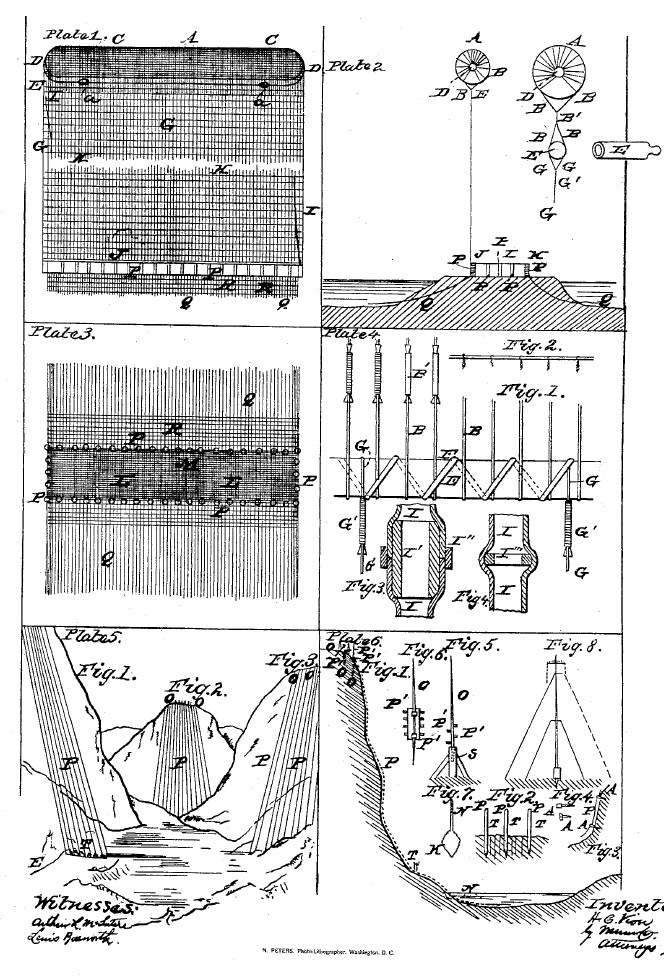
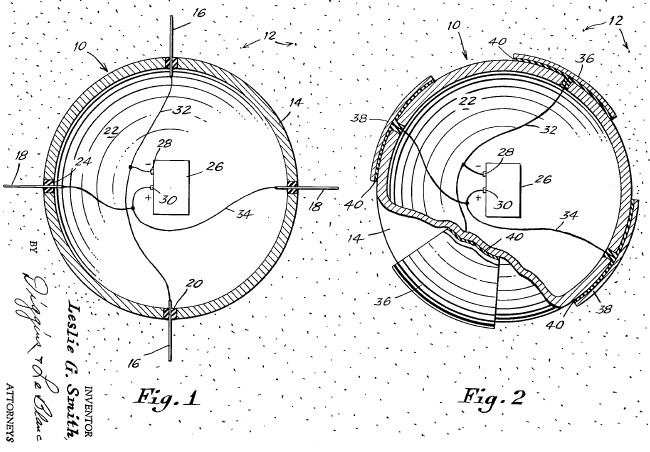
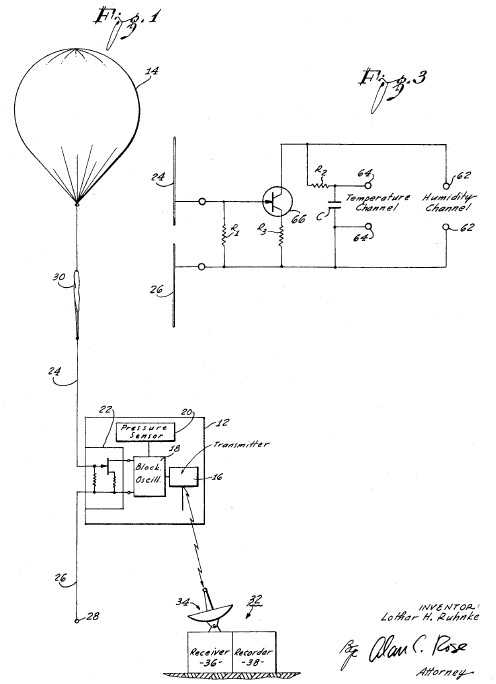
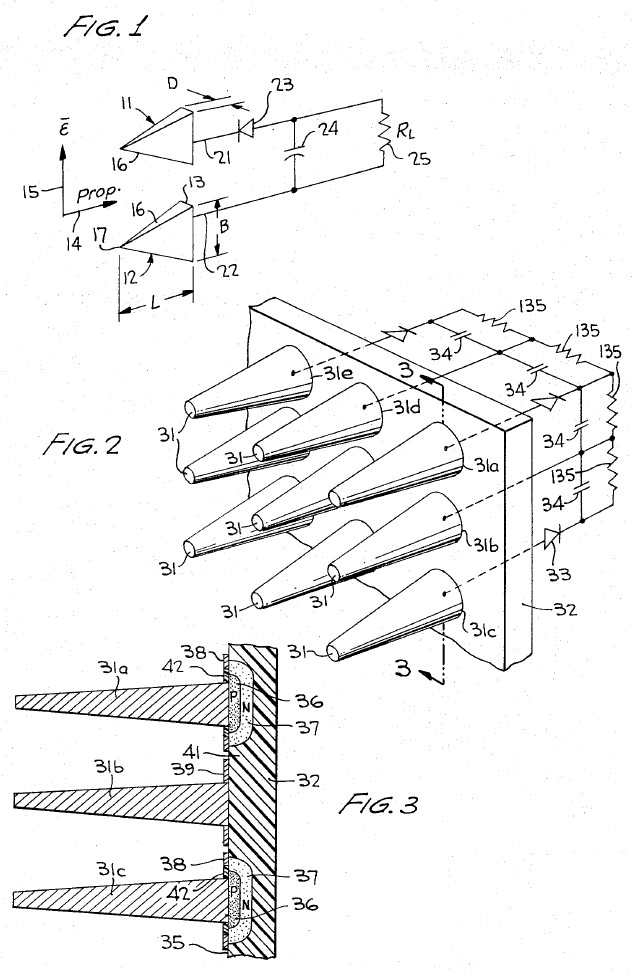
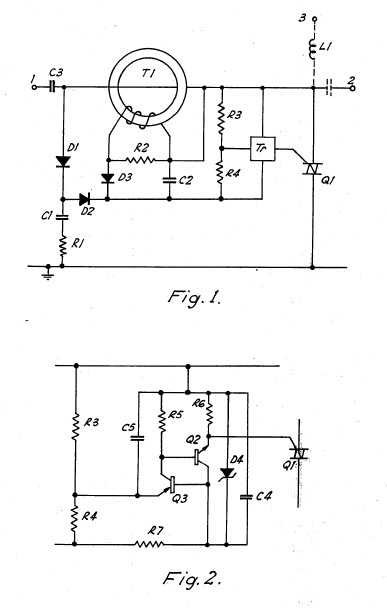
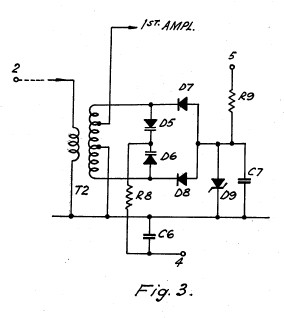
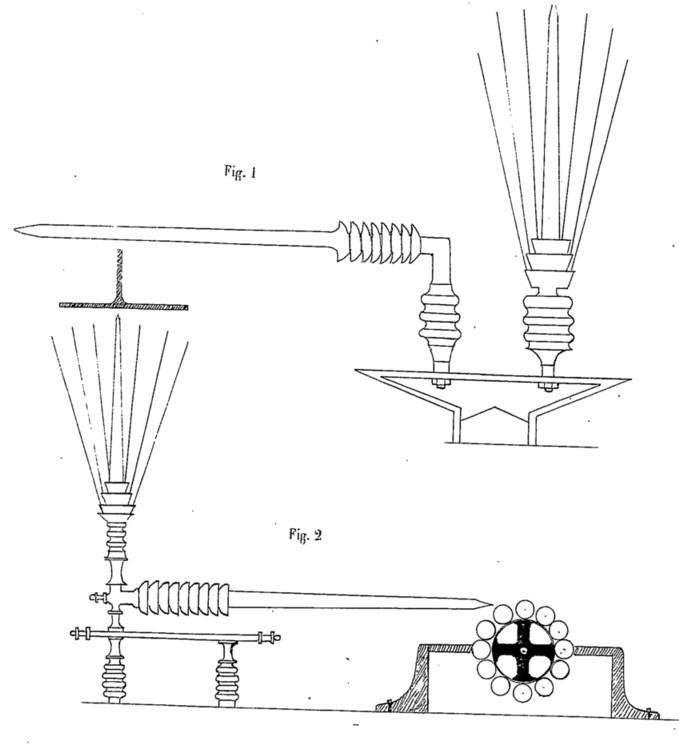
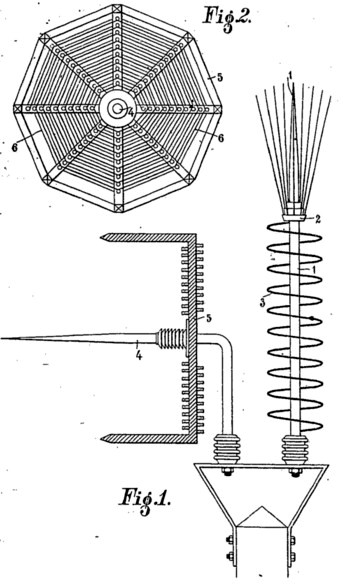
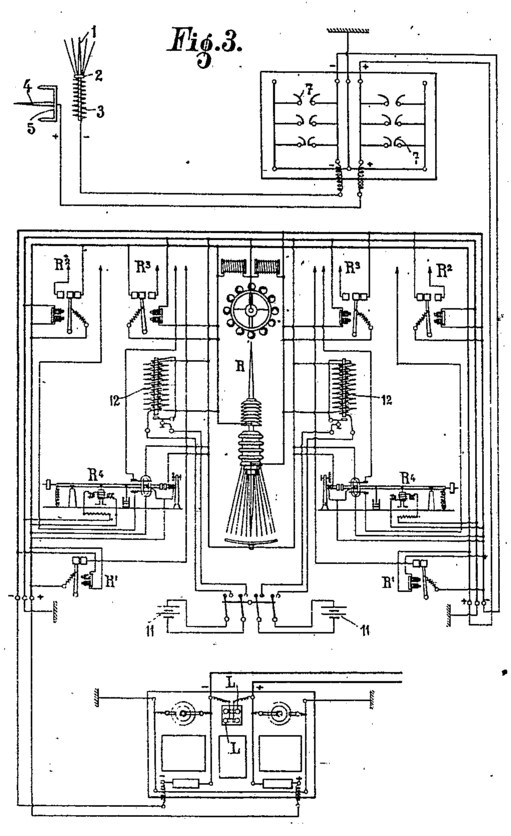
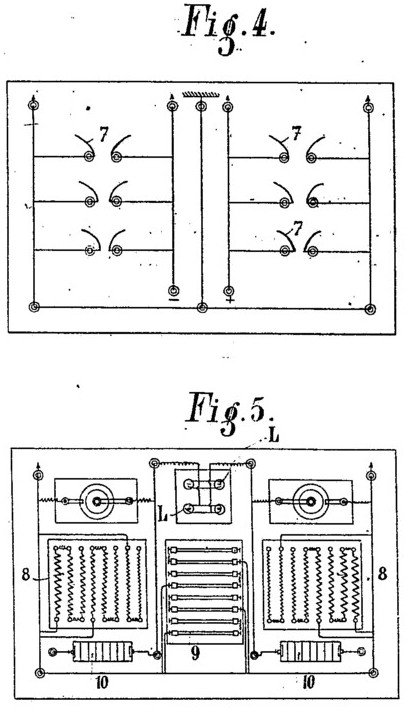
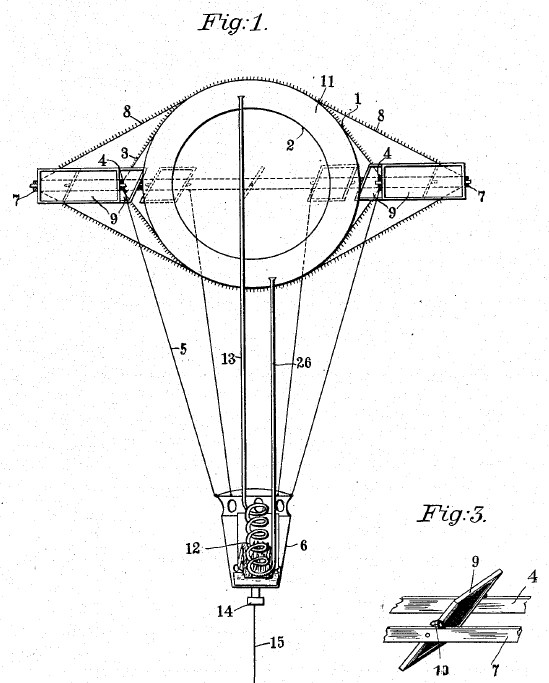
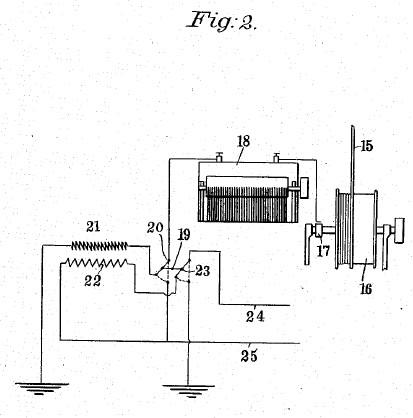
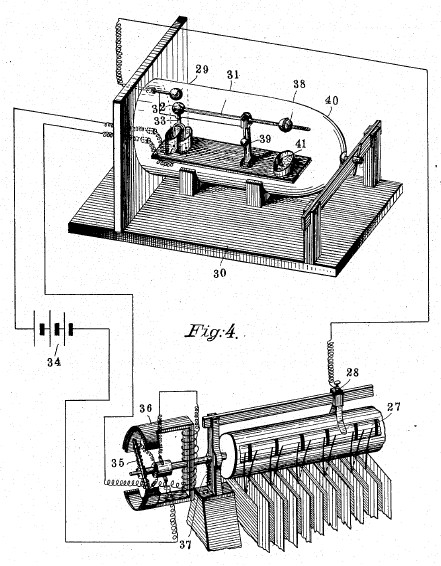
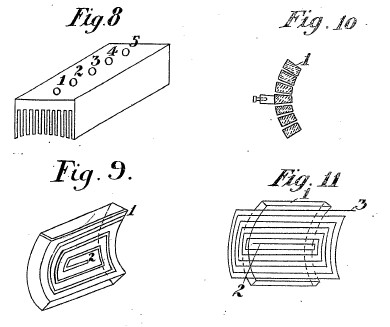
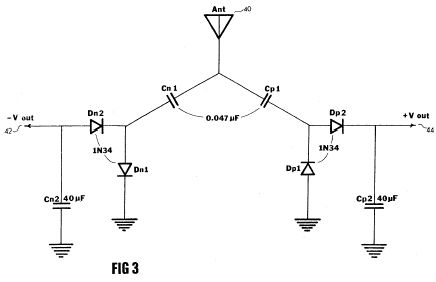
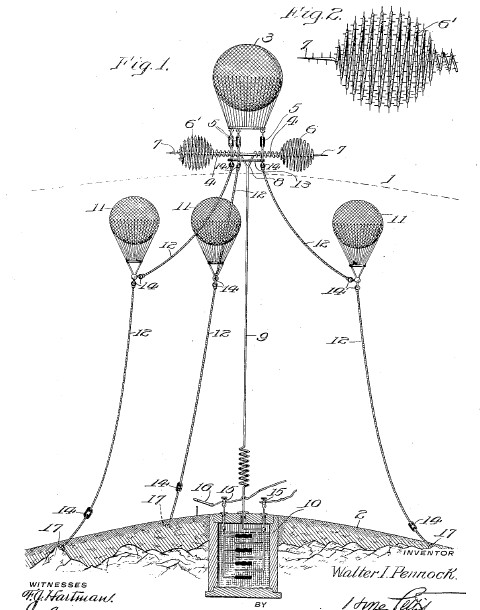
The patents describe systems in which a conductive aerial (or balloon-borne collector) gathers ambient atmospheric charge and feeds it to a stator-rotor condenser assembly. The rotor, driven by a motor, carries concentric plates whose capacitance varies with rotation. This variation, together with slip-rings and inductive elements, creates alternating-current oscillations at selectable frequencies. The AC is tapped via brushes or transformers and can be conditioned for use in low-power electronics. Some embodiments embed spiral wires in vulcanite or use slotted metal plates to enhance capacitance variation. The designs aim to produce "material quantities" of electricity without batteries or external fuel.
Principles
- Electrostatic induction
- Variable capacitance (rotating condenser)
- Resonant frequency tuning
- Inductive coupling
- Rotary mechanical conversion
Scientific Domains
Materials
- Metallic plates (copper, aluminum)
- Conductive wires
- Vulcanite (hard rubber) matrix
- Ceramic insulators
- Spiral wire coils
Mechanisms of Action
- Charge collection from atmospheric electric field
- Capacitance modulation by rotating plates
- Generation of alternating current via changing electric field
- Energy transfer through transformers and slip-rings
Energy Sources
Applications
- Powering remote sensors
- Low-power electronics
- Experimental energy harvesting
Claimed Performance
Capability to produce alternating currents of any desired frequency and to obtain material quantities of electricity from the atmosphere.
Limitations
- Low power density compared to conventional sources
- Dependence on weather and atmospheric conditions
- Need for mechanical drive and large structures
- No publicly documented quantitative performance data
Red Flags
- Reliance on patents without experimental data
- Claims of "material quantities" of electricity without quantitative evidence
- Potential overunity implications not substantiated