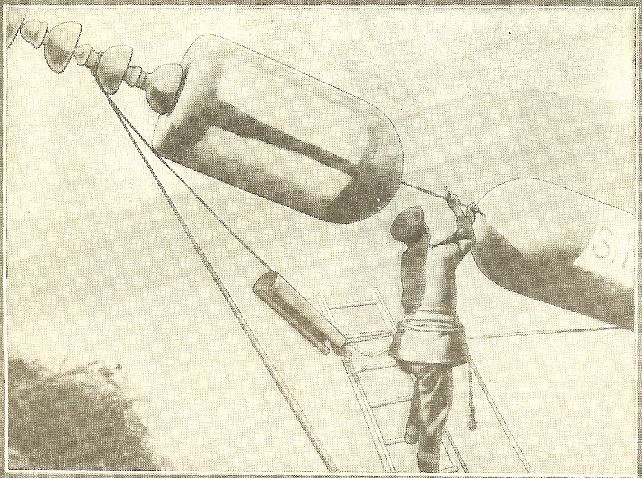
Goal
Generate usable electrical power by harvesting atmospheric electrostatic energy.
Problem
Need for cheap, ubiquitous, and continuously available energy sources that are not weather-dependent like wind or solar.
Concept Summary
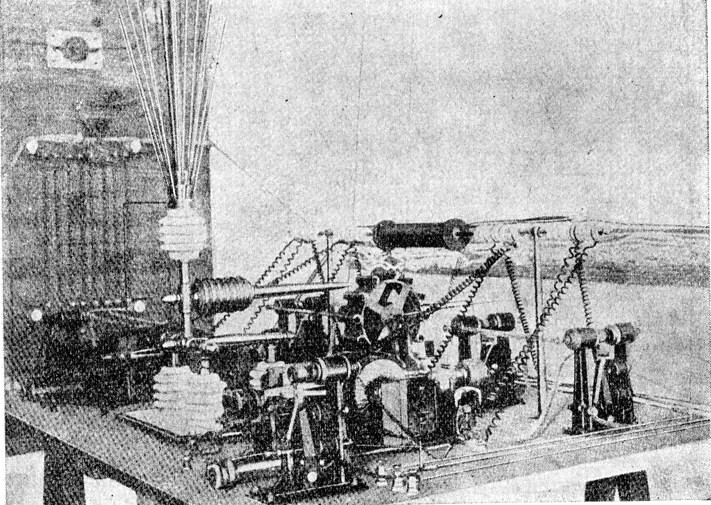
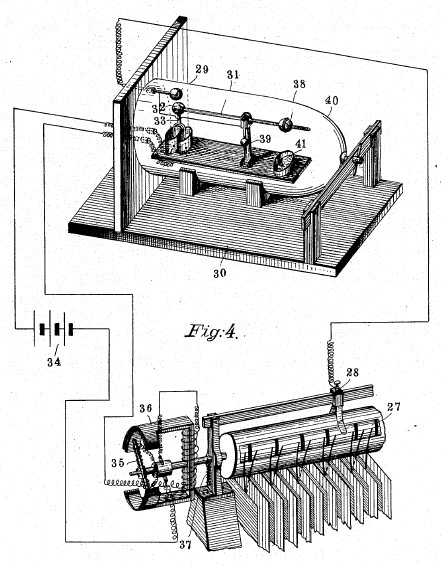
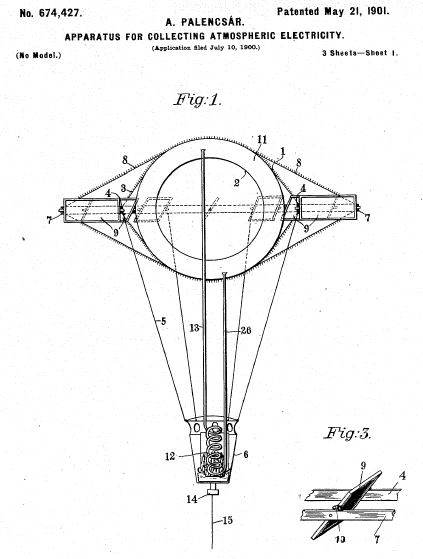
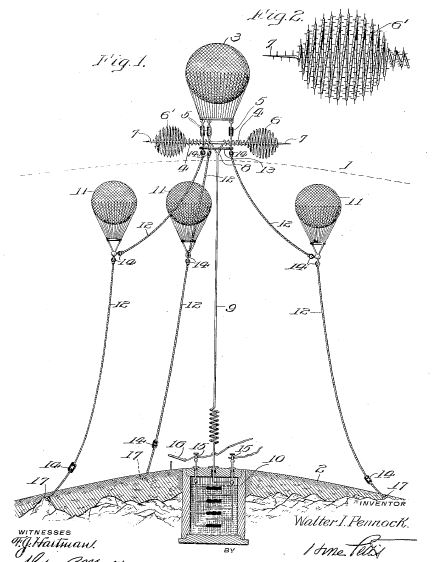
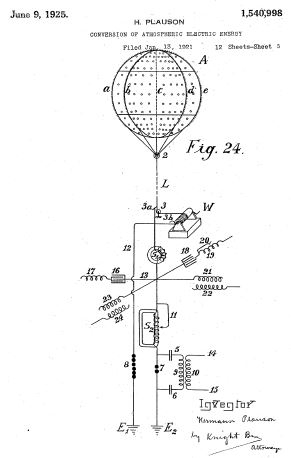
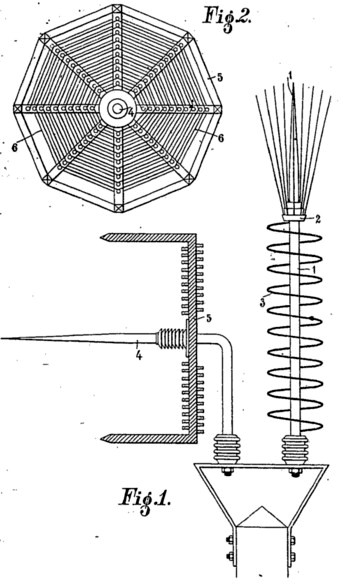
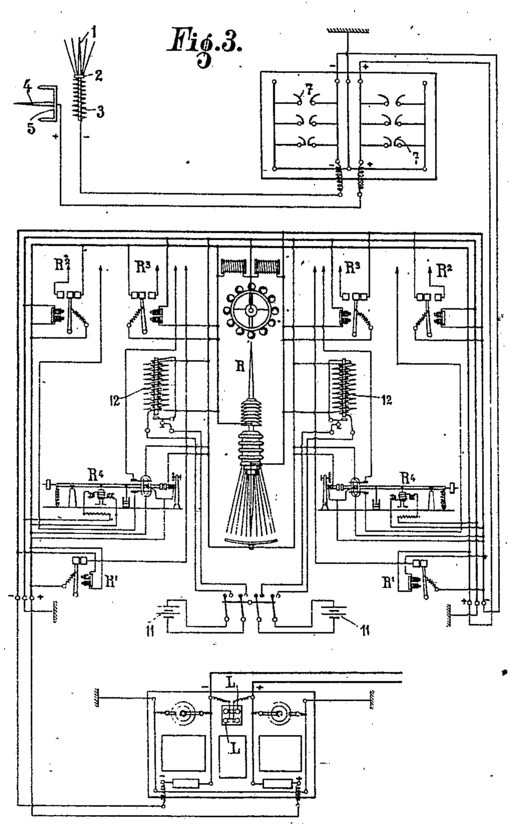
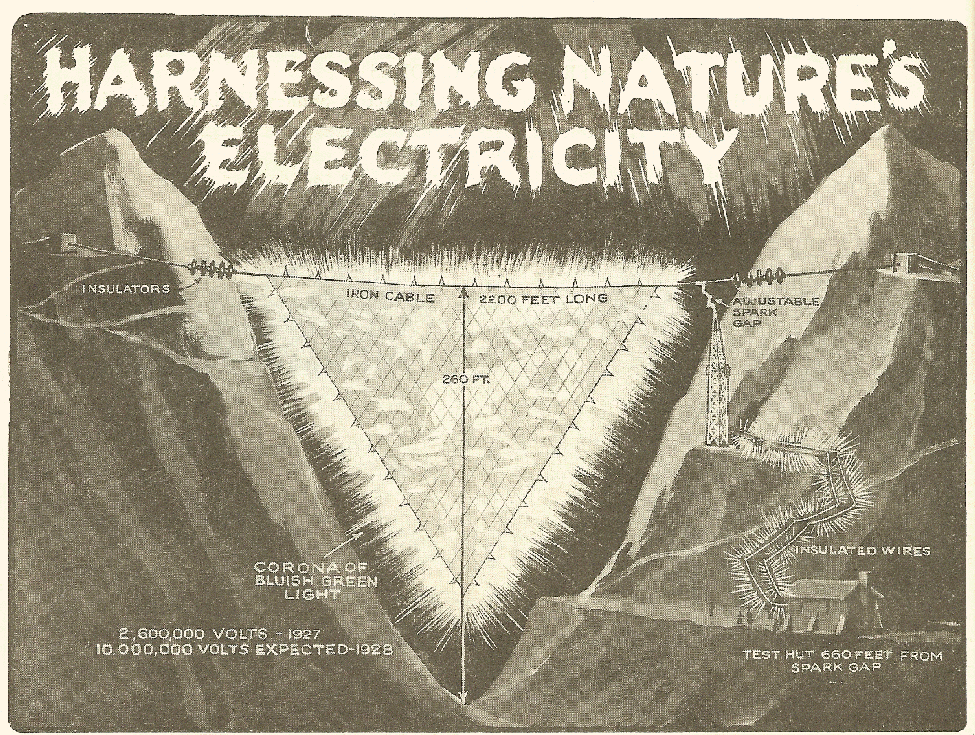
The article reviews historic attempts to collect the Earth's static electric field using vertical and horizontal antennas, conductive rods, balloons, and ionizing coatings. The collected charge is stepped up with transformers or induction coils to produce useful voltages and currents for lighting, motors, or battery charging.
Principles
- Electrostatic charge collection
- Electric siphon effect
- High-voltage transformation
- Ionization of air to increase charge collection
Scientific Domains
Materials
- Aluminum leaf (balloon skin)
- Zinc amalgam
- Radium salt (ionizer)
- Helium (balloon lift)
- Copper-plated steel wire
- Metal nets and conductive rods
- Ruhmkorff induction coil
- High-voltage transformer
Mechanisms of Action
- Vertical and horizontal antennas gather opposite polarity charges from the atmosphere.
- Conductive rods and pin-type ionizers enhance charge capture.
- High-voltage transformers (Ruhmkorff coils) step up the low current to usable power levels.
- Electrostatic rotary transformers convert static charge into alternating current.
Energy Sources
Applications
- Remote power supply
- Lighting in off-grid locations
- Supplementary power for low-load devices
Claimed Performance
Guillot's 20 m antenna produced 2.5-3 kW; a 2 m collector produced ~300 W. Plauson's single balloon delivered 1.8 A at 400 V (~0.75 kW); two balloons achieved 6.8 A at 500 V (~3.4 kW). Claims of 81 kW in 24 h with two balloons were also reported.
Experimental Evidence
Historical patents and contemporary reports describe measured currents and voltages (e.g., 1.8 A @ 400 V, 6.8 A @ 500 V). Meridian International Research demonstrated LED lighting using a low-height zinc antenna.
Replication Status
No independent modern replication of industrial-scale power generation; only limited modern demonstration (LED lighting) reported.
Limitations
- Very low current density of atmospheric field
- Requires tall structures or balloons
- Ionizing coatings (radium) pose health and regulatory concerns
- Performance highly dependent on weather and atmospheric conditions
Red Flags
- Historical claims of industrial-scale power lack independent verification
- Use of radioactive radium for ionization
- No recent peer-reviewed studies confirming the reported performance