Goal
Improve fuel vaporization to achieve more complete combustion, higher efficiency, lower emissions, and better cold-start performance.
Problem
Inefficient fuel vaporization in internal combustion engines leading to poor fuel economy, high emissions, and difficulty starting engines in cold conditions.
Concept Summary
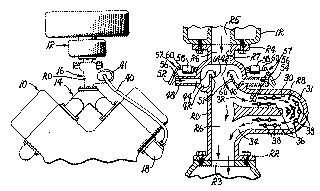
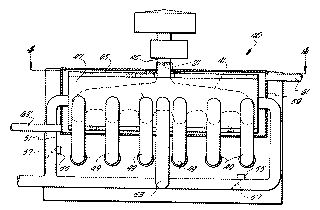
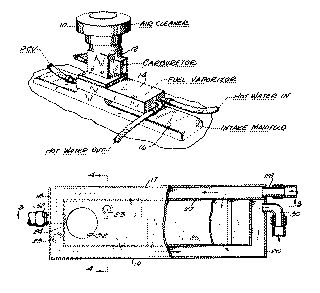
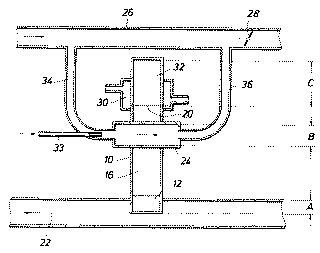
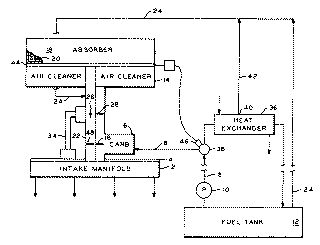
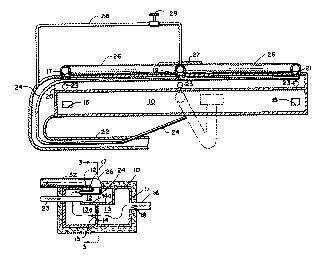
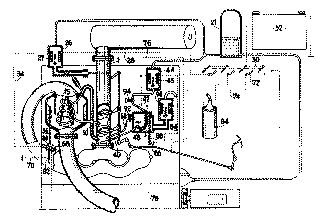
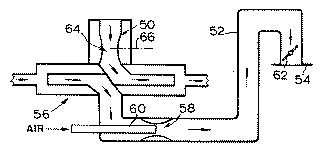
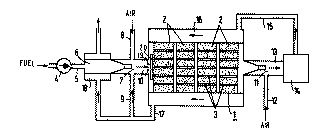
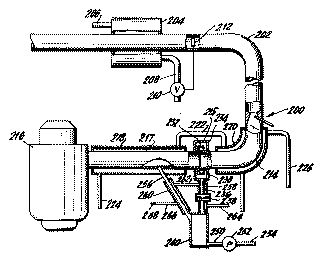
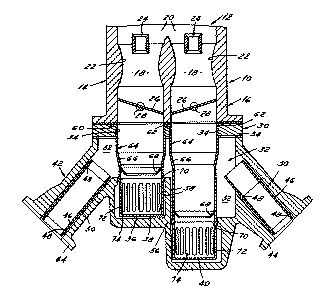
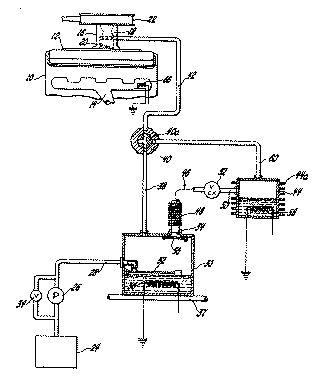
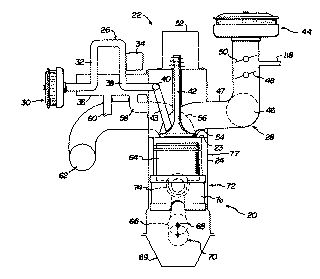
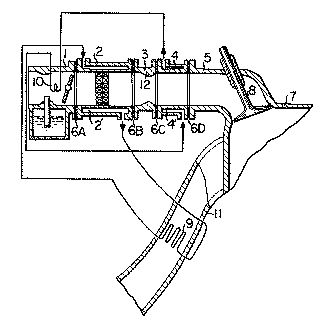
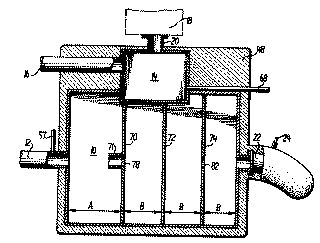
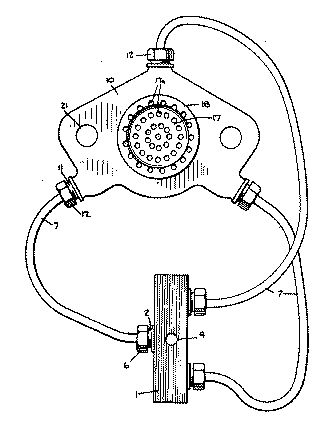
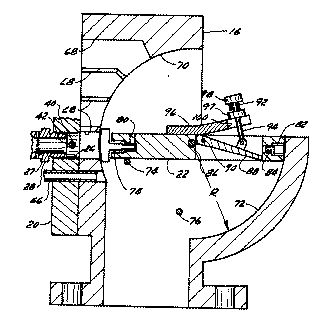
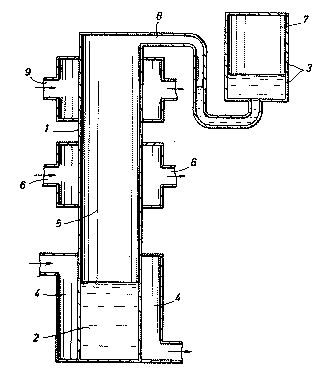
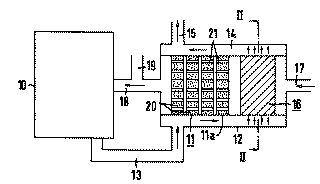
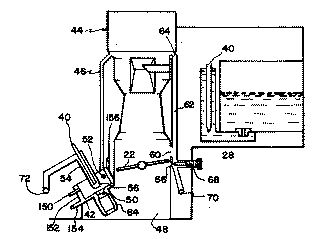
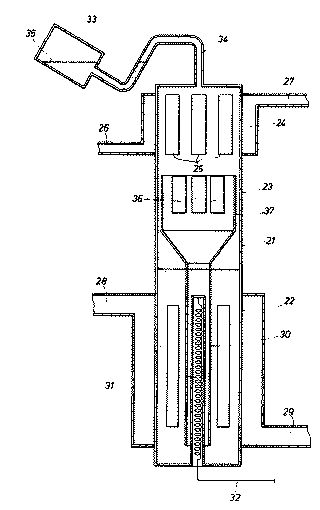
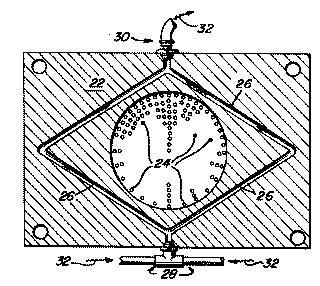
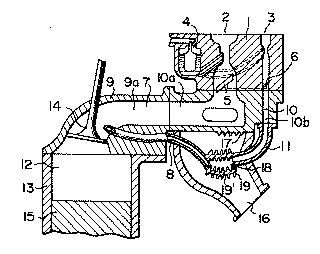
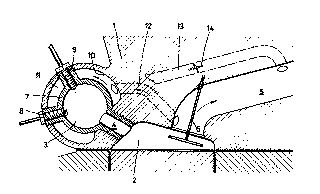
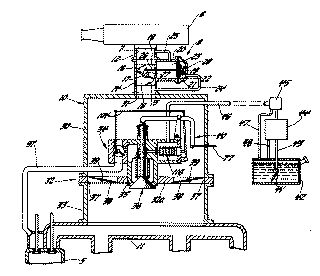
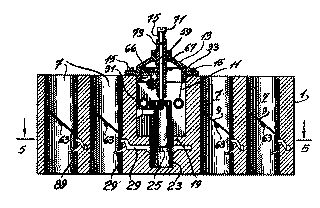
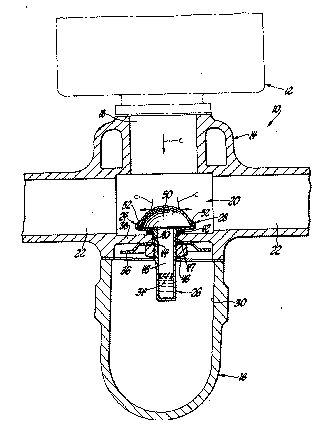
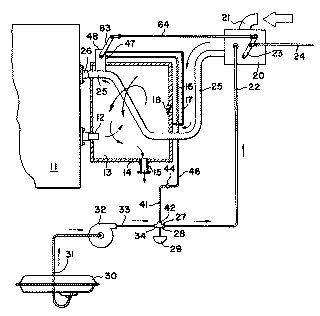
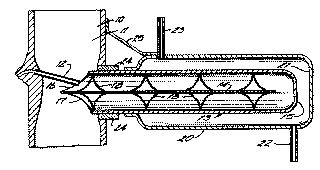
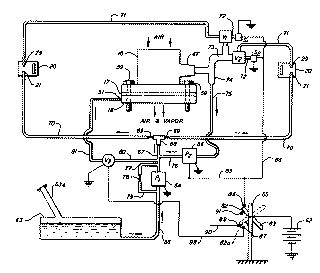
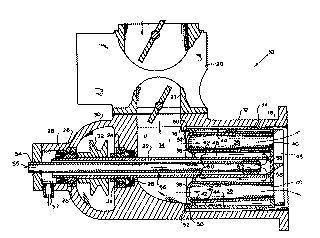
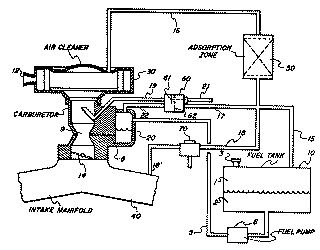
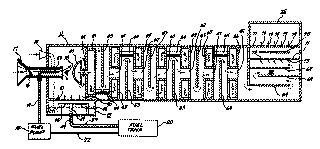
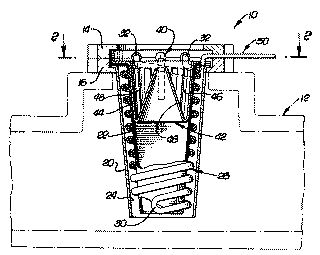
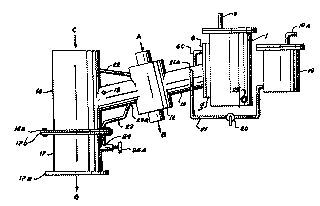
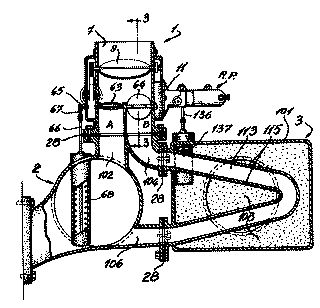
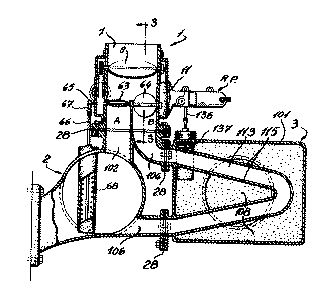
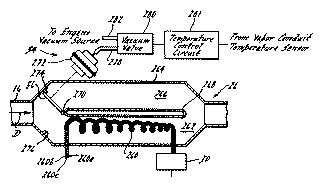
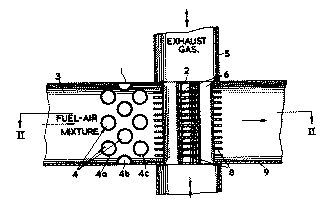
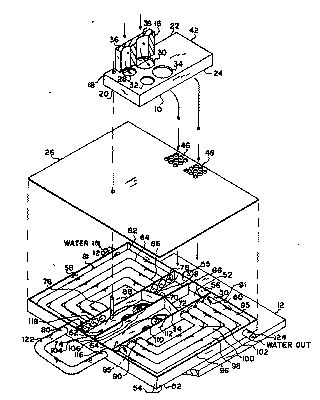
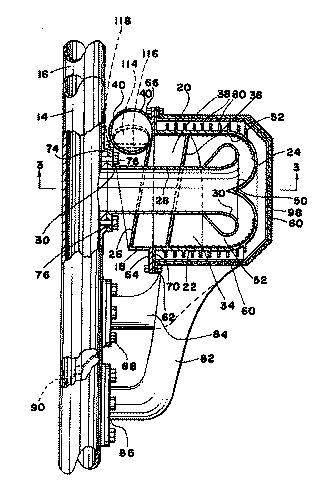
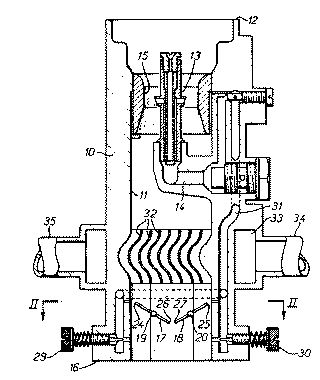
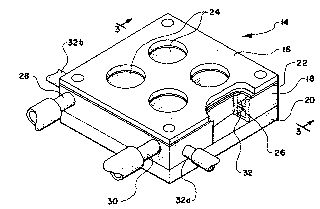
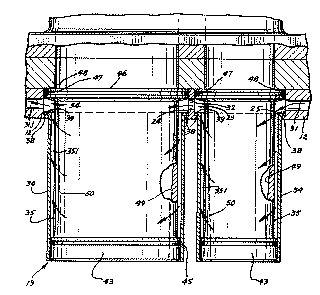
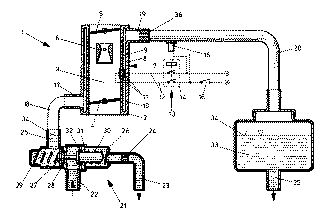
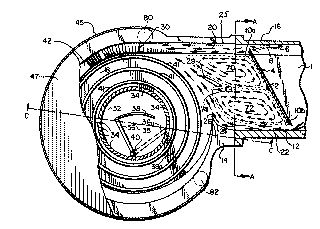
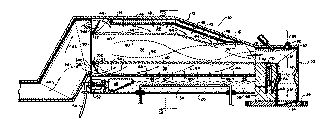
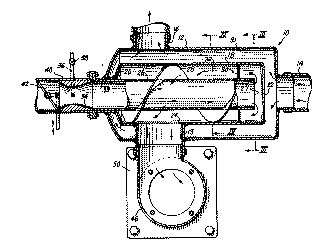
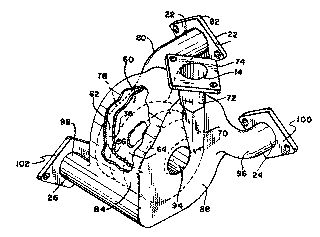
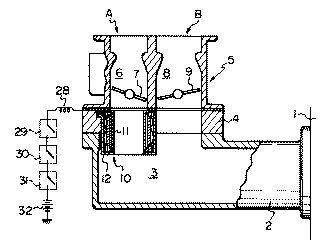
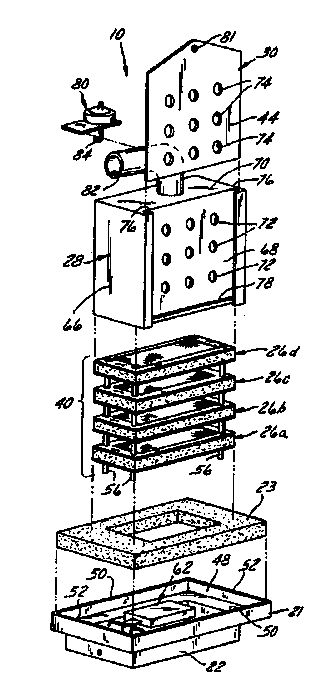
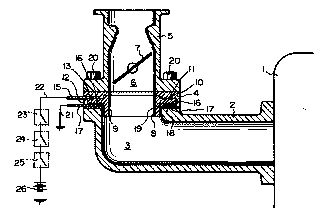
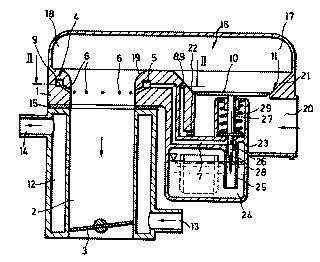
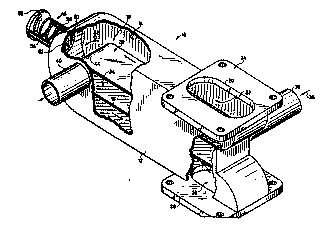
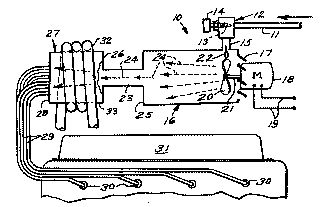
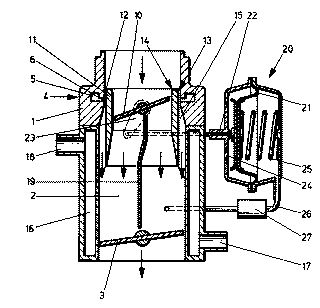
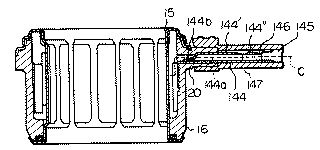
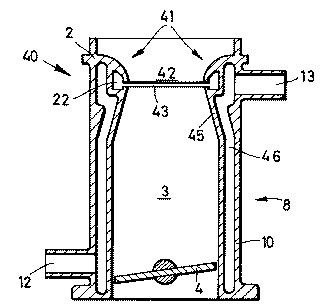
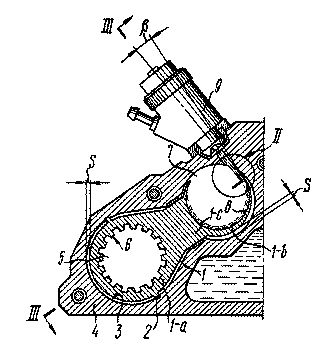
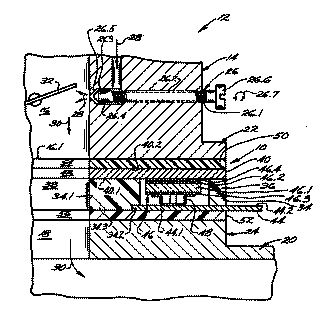
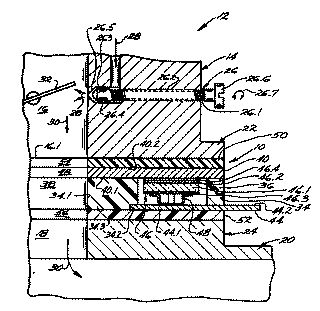
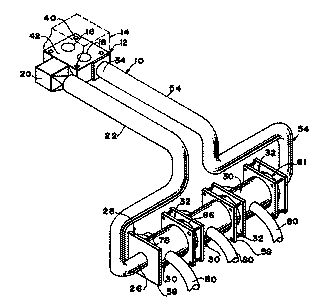
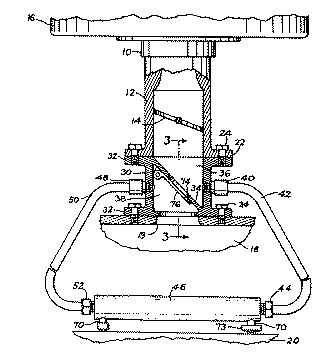
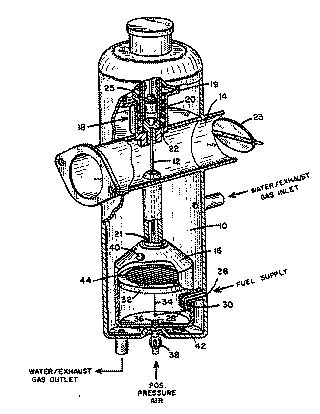
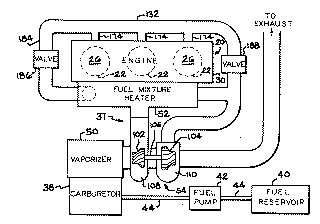
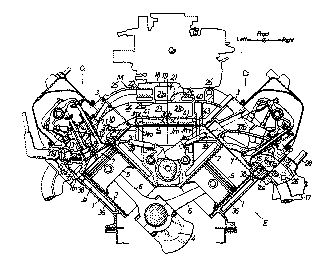
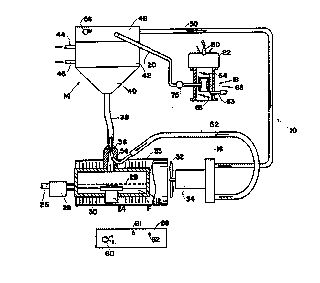
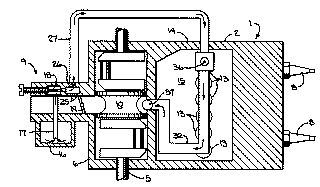
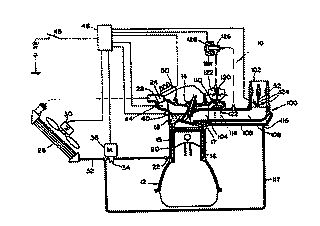
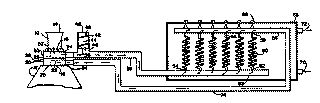
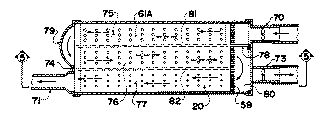
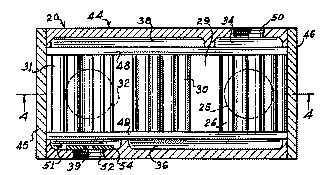
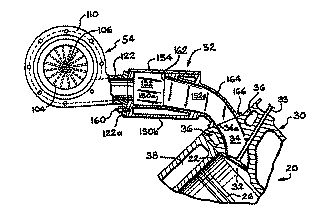
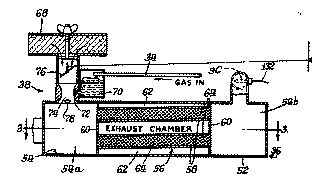
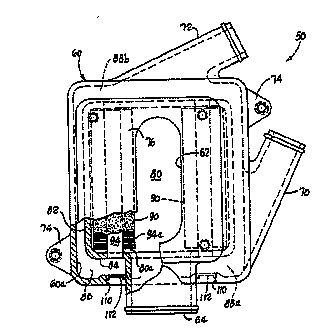
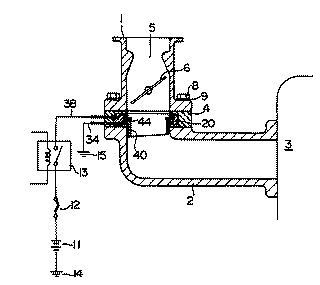
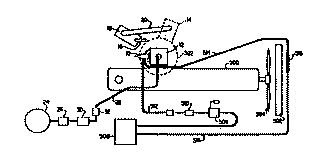
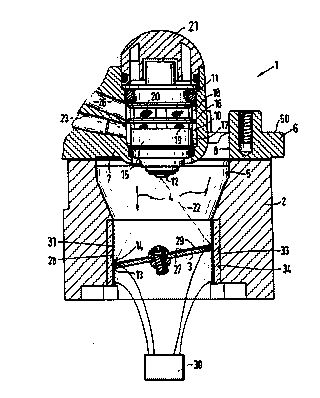
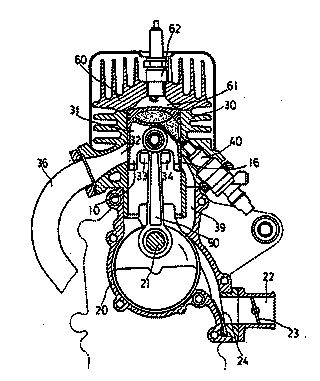
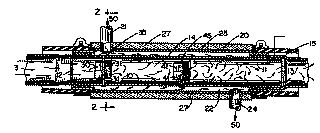
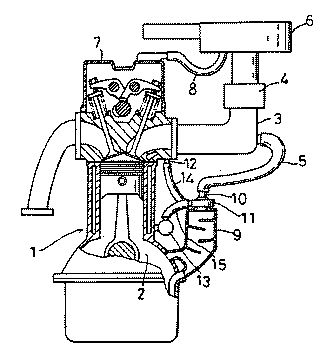
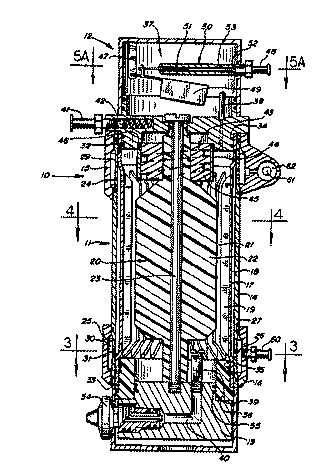
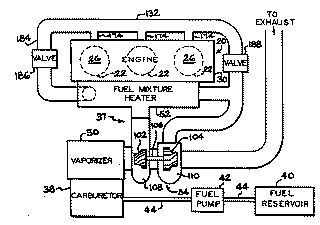
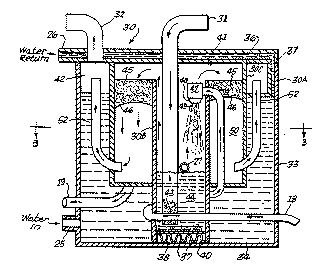
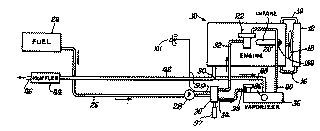
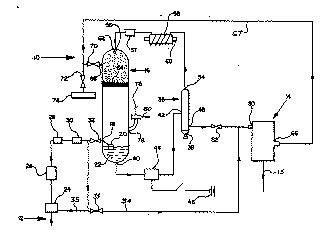
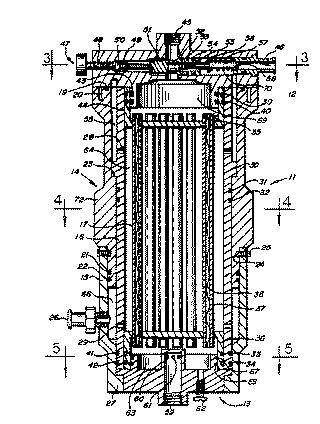
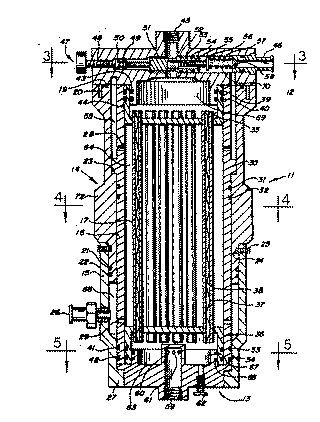
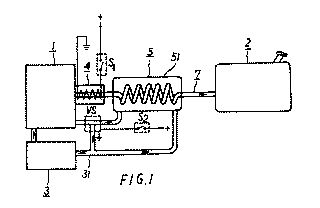
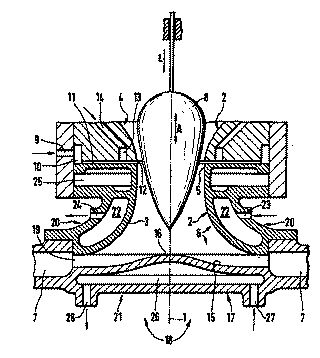
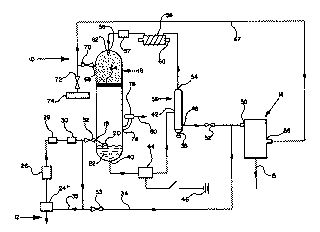
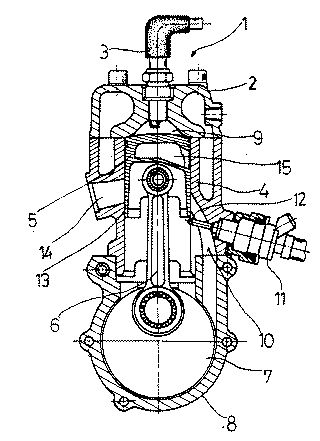
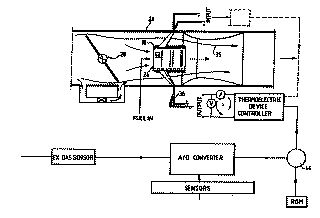
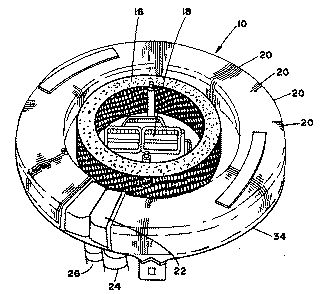
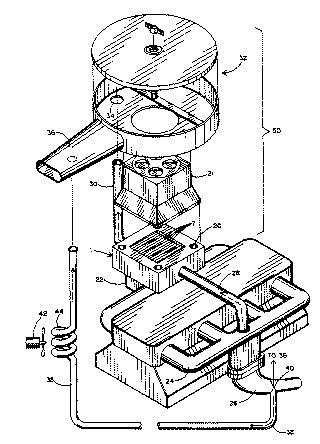
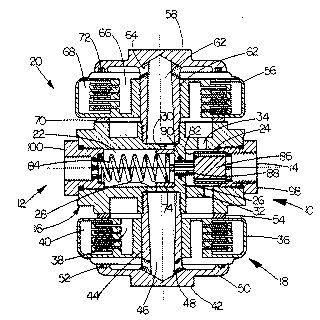
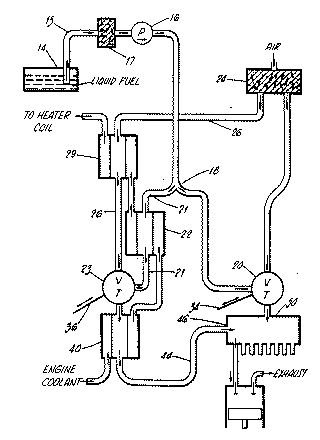
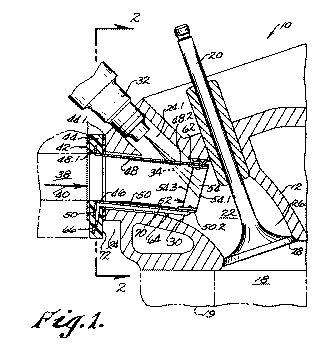
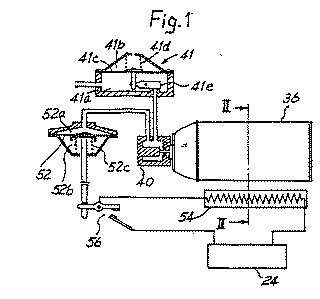
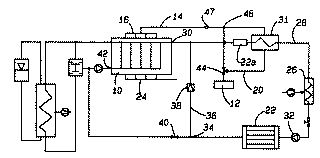
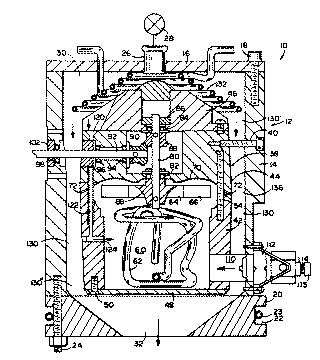
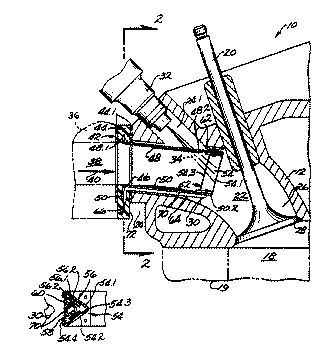
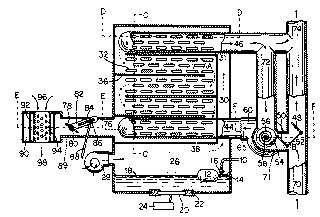
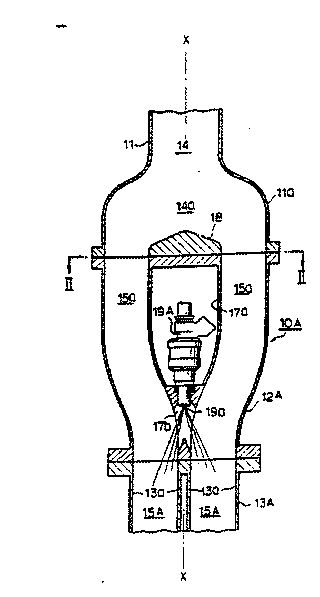
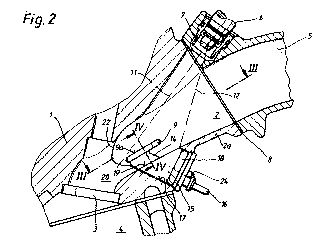
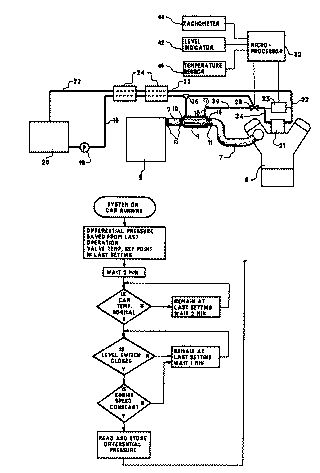
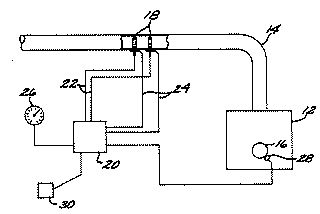
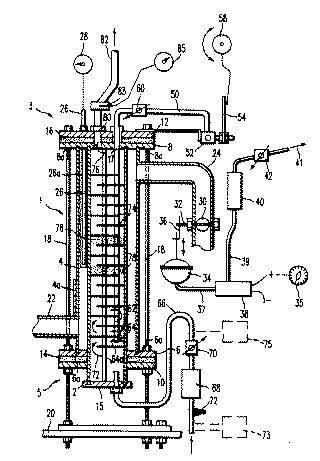
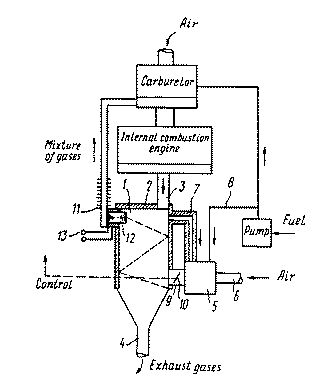
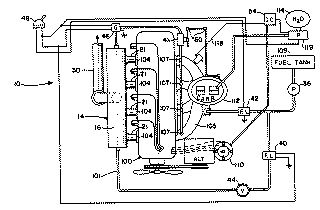
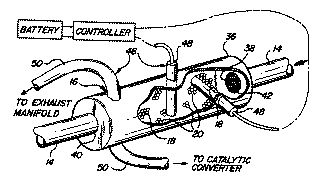
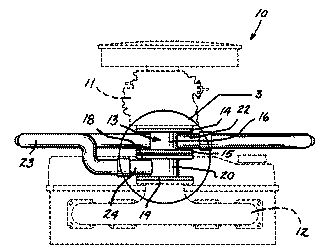
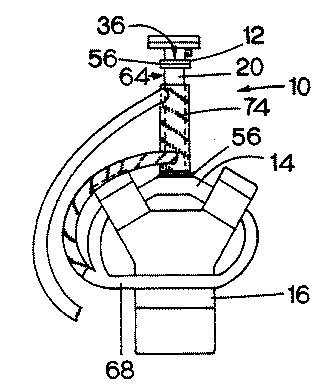
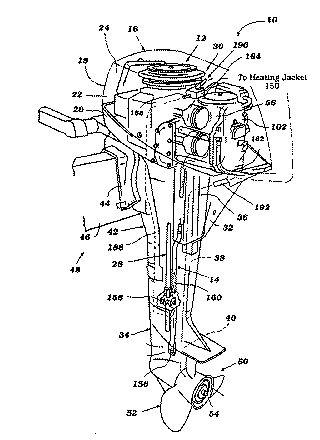
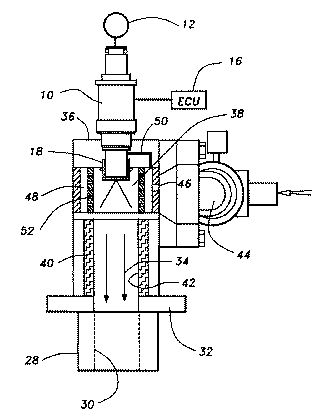
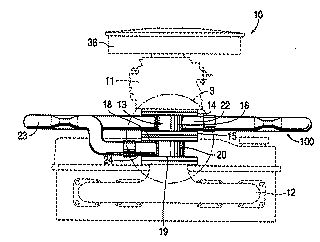
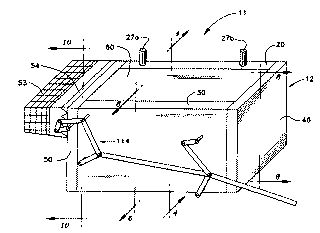
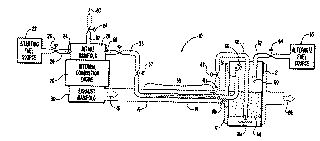
A family of patented vapor-carburetor technologies that pre-heat or vaporize fuel using exhaust-gas heat, engine-coolant heat, or dedicated heat-exchangers. The designs employ volatilization chambers, heated bypass conduits, ram tubes, packed-bead heat exchangers, turbulence-creating baffles, and water/alcohol additives to convert liquid fuel into a dry vapor before it enters the combustion chamber, thereby improving combustion completeness and reducing emissions.
Principles
- Heat exchange with exhaust gases
- Thermal vaporization of fuel
- Mixing turbulence
- Recirculation of heated fluids
- Fuel pre-heating using engine coolant
Scientific Domains
Materials
- Aluminum
- Steel
- Water
- Alcohol
- Hydrocarbon fuel
Mechanisms of Action
- Exhaust gas heat transfer to fuel
- Direct heating of fuel-air mixture in bypass conduit
- Turbulence creation via venturis or baffles
- Water/alcohol injection for secondary vaporization
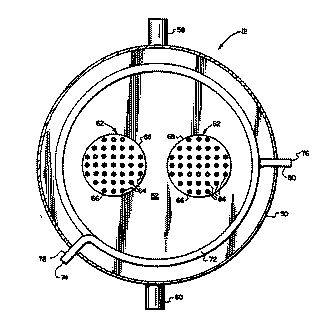
- Packed-bead heat exchanger for high surface-area heating
Energy Sources
Applications
- Automotive internal combustion engines
- Marine engines
- Furnaces
- Boilers
- Gas turbines
Claimed Performance
Higher combustion efficiency, increased fuel mileage, reduced emissions, and reliable cold-start operation.
Limitations
- Requires sufficient exhaust heat to be effective
- Additional plumbing and components increase system complexity
- Potential fuel degradation if overheated