Goal
Provide a vehicle propulsion system that eliminates the need for gasoline by using electromagnetic forces to drive pistons, thereby reducing dependence on oil and greenhouse-gas emissions.
Problem
Fuel crisis and greenhouse-gas emissions caused by gasoline-powered internal-combustion engines.
Concept Summary
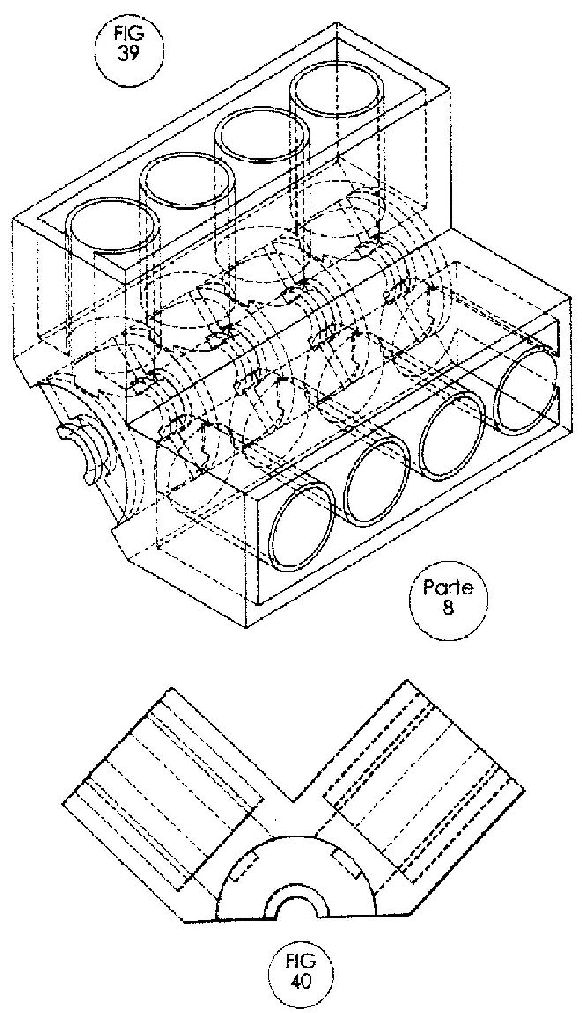
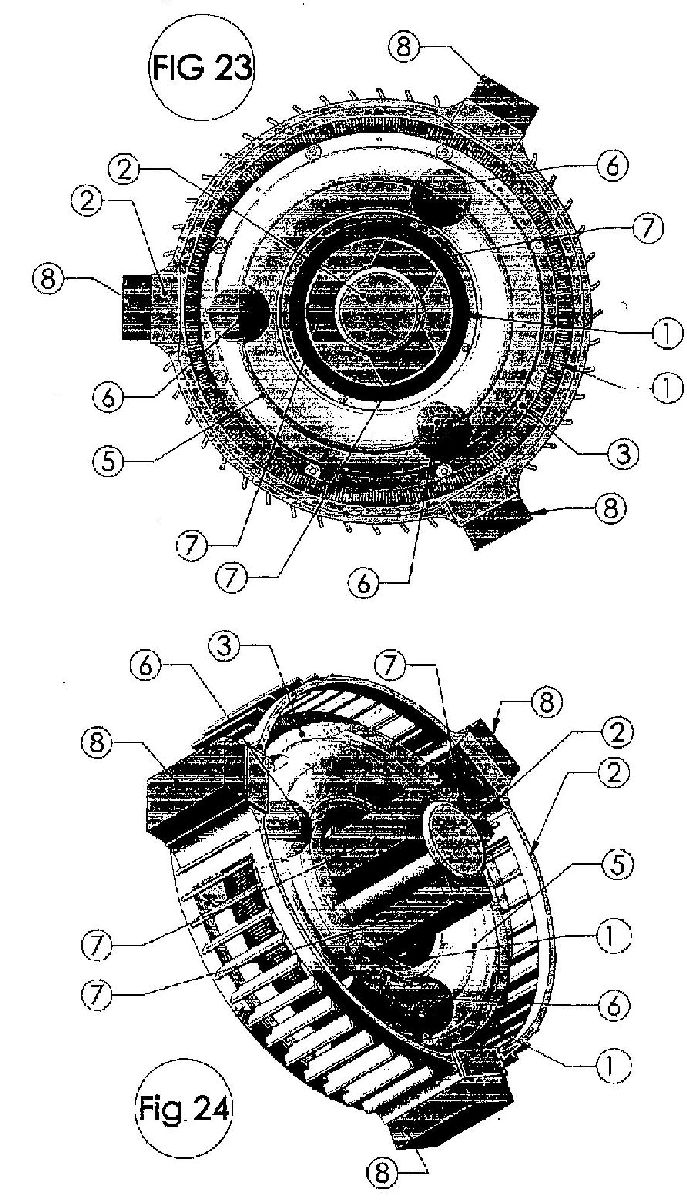
A piston motor in which each piston carries a permanent magnetic disk. A coil wrapped around a centre spool in the cylinder head is energized by the vehicle's battery, creating an electromagnet of the same polarity as the piston's magnet. The resulting magnetic repulsion drives the piston down the cylinder. The system pulses like a spark plug, so there is no constant drain on the battery. The motor is intended to replace the fuel-combustion system while retaining existing service parts.
Principles
- Magnetic repulsion between like-polarity electromagnets and permanent magnets
- Pulsed electromagnetic energy to drive pistons
- Use of battery voltage to energize coils
Scientific Domains
Materials
- Copper (coils and toroidal windings)
- Aluminum (engine block)
- Rare-earth permanent magnets
Mechanisms of Action
- Coils generate a magnetic field when voltage is applied
- Permanent magnetic disks on pistons experience repulsive force
- Repulsive force moves pistons linearly, converting electrical energy to mechanical work
Energy Sources
Applications
- Automotive propulsion
- Hybrid or retrofit vehicle powertrain
Claimed Performance
Idle at 500 rpm; immediate roll when gear engaged; identical performance to existing internal-combustion engines; no delay or jerky motion.
Experimental Evidence
Axford plans to retrofit a Saturn vehicle with the motor and demonstrate its operation by driving across Canada. No quantitative test data are provided in the article.
Replication Status
No independent replication reported; only a planned prototype demonstration.
Limitations
- Requires a battery to supply coil energy
- No published efficiency or durability data
- Prototype not yet demonstrated
Red Flags
- Claims of eliminating gasoline without experimental validation
- No peer-reviewed data or independent testing
- Reliance on a single inventor's prototype