Goal
Harness magnetic fields as a practical source of energy and achieve high efficiency by reducing counter-electromotive force.
Problem
Conventional electric motors are limited by Lenz's law and low efficiency, requiring large input power for modest mechanical output.
Concept Summary
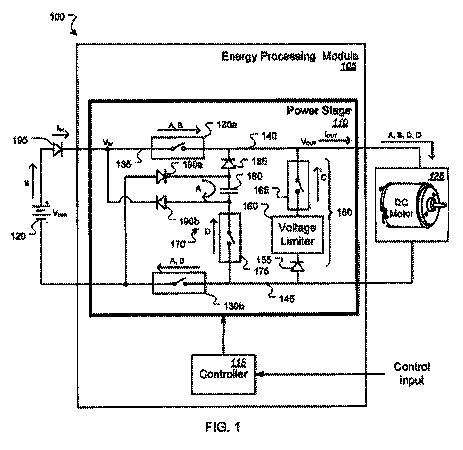
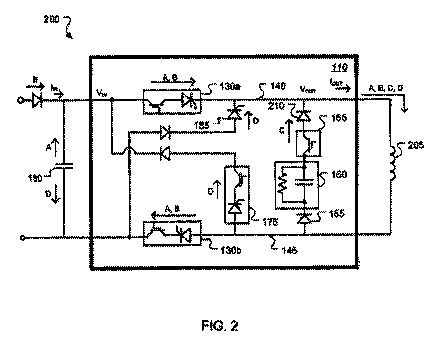
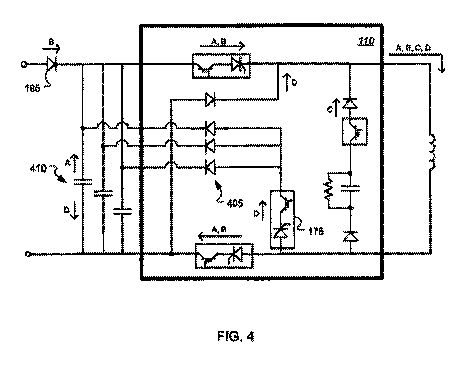
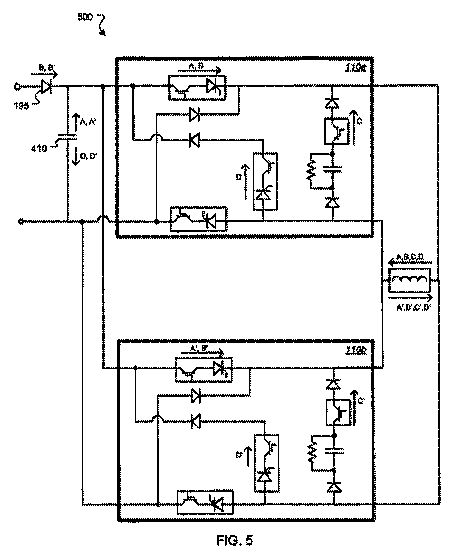
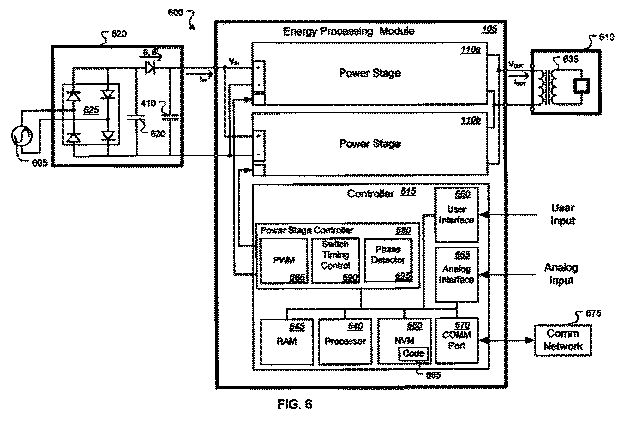
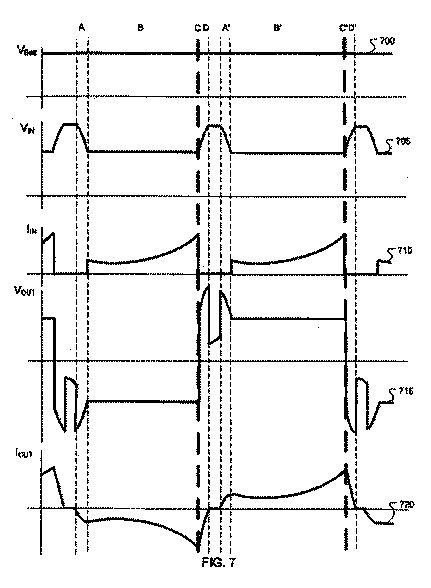
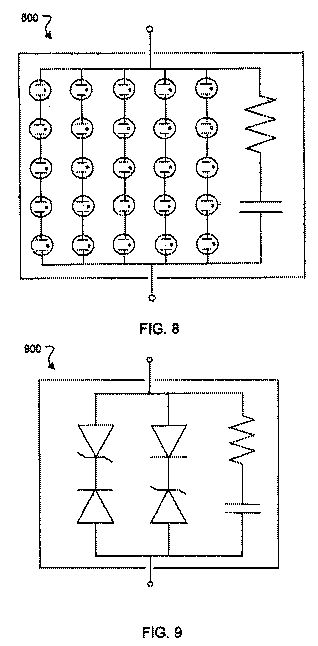
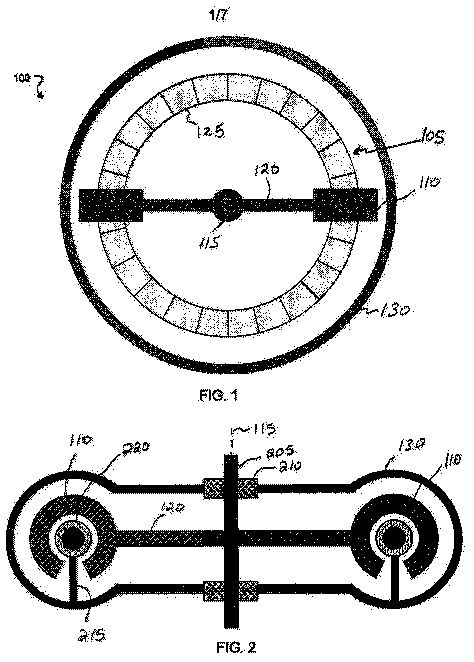
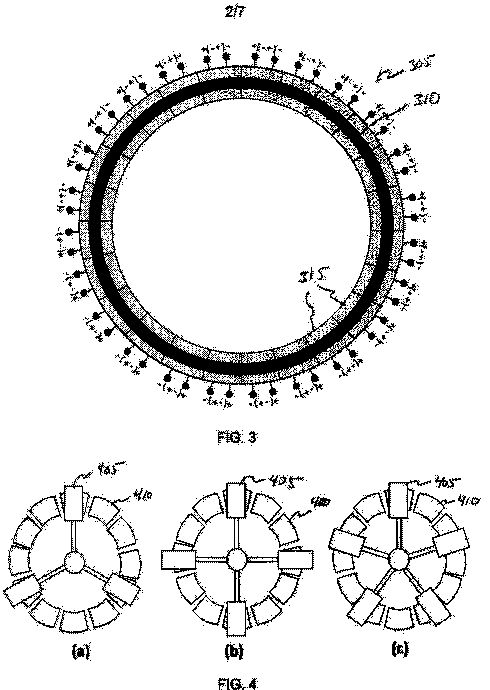
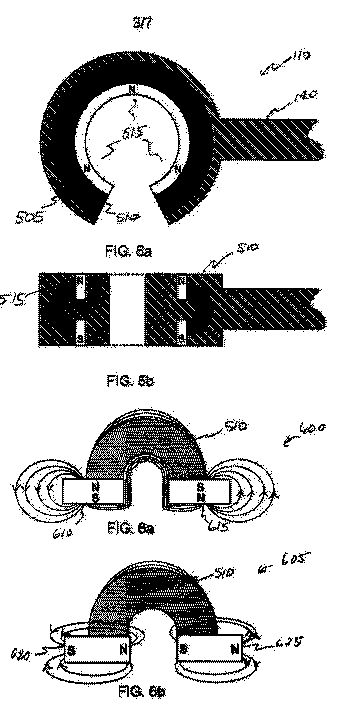
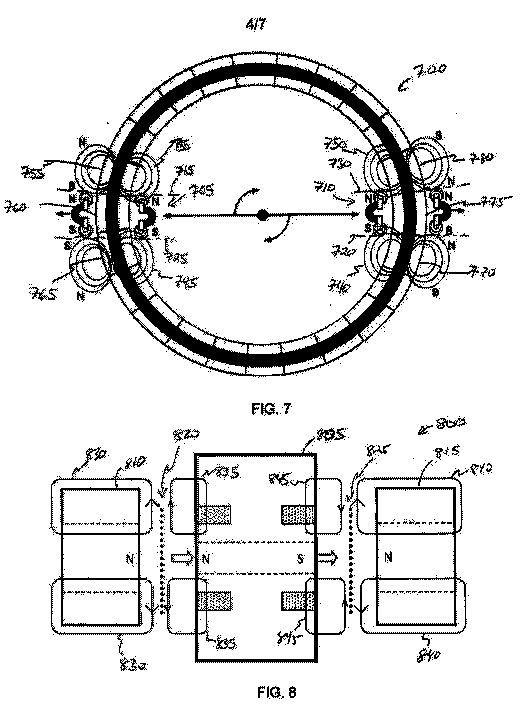
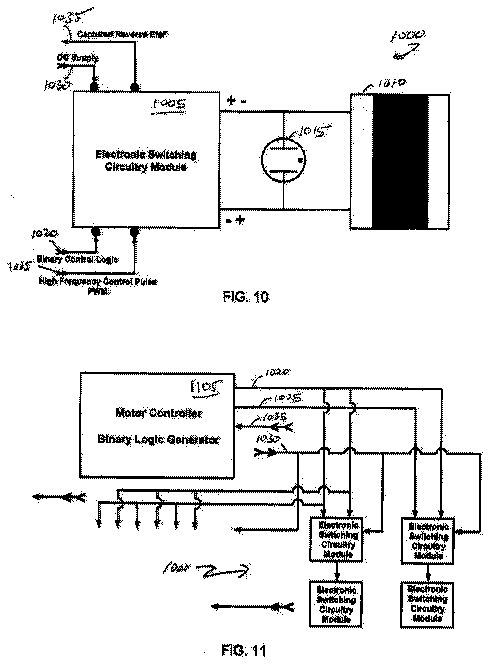
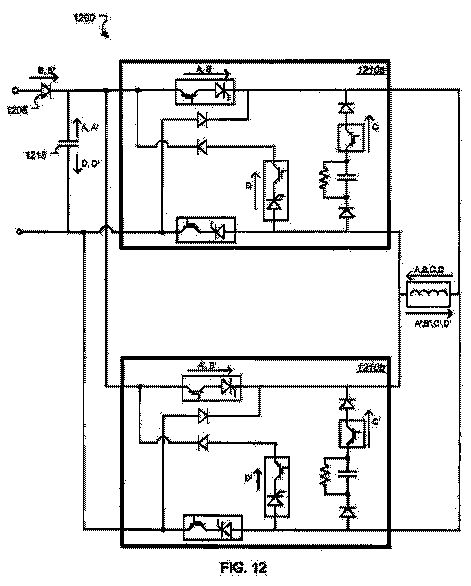
The invention describes a toroidal-coil motor in which an armature passes over stator coil segments arranged in a toroidal geometry. By timing the current flow to stop when the armature overlaps the stator, flux coupling and counter-EMF are greatly reduced. The device is combined with a Switched Energy Resonant Power Supply (S.E.R.P.S.) that oscillates stored energy between a capacitor and a load, producing a coefficient of performance (COP) far greater than unity. Demonstrations claim a COP of ~48 (4790 % increase) and a theoretical capability of 1 hp from only 200 W input.
Principles
- Reduced flux coupling between armature and stator
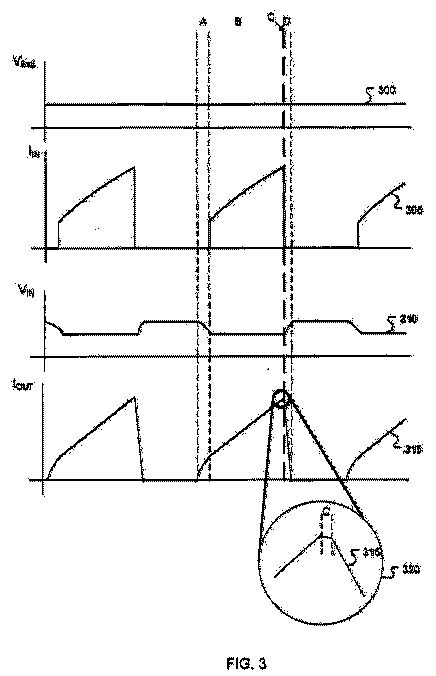
- Timed interruption of stator current to minimize counter-EMF
- Resonant energy oscillation using a switched capacitor supply
- Ultra-fast nanosecond switching
Scientific Domains
Materials
- Copper wire
- Ferromagnetic core material
- Insulating polymer
Mechanisms of Action
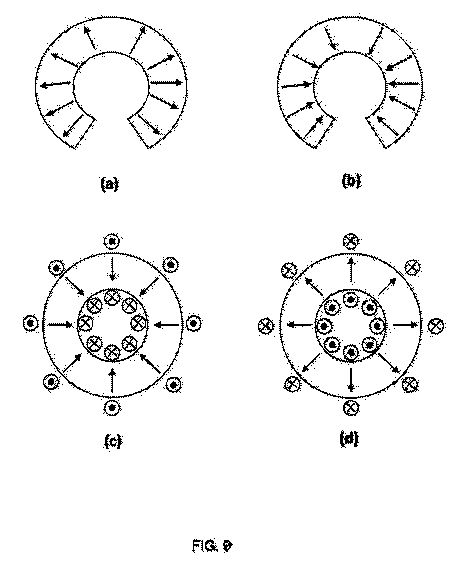
- Interaction of radially directed magnetic fluxes from toroidal coils and moving armature to generate thrust
- Rapid switching to cancel opposing induced voltages
- Energy storage in a capacitor and controlled discharge to double-feed a load
Energy Sources
Applications
- Remote power generation
- Electric propulsion for vehicles
- High-efficiency lighting
Claimed Performance
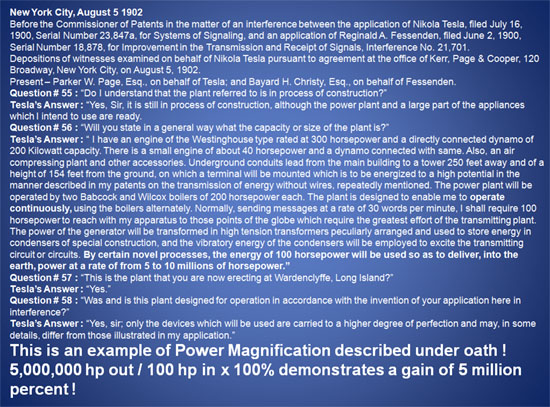
Theoretical 1 hp mechanical output from 200 W electrical input; demonstrated COP of 47.9 (4790 % more output power than input).
Experimental Evidence
Video of a demonstration showing 1.1 W net input powering 52.7 W of light bulbs, giving a COP of 47.9.
Replication Status
Publicly demonstrated at the 2014 Energy Science & Technology Conference; no independent third-party replication reported.
Limitations
- Lack of peer-reviewed experimental data
- Claims rely on proprietary video evidence only
- Scalability of the high-speed switching circuitry not demonstrated
Red Flags
- Extraordinary efficiency claims that appear to violate conventional electromagnetic theory
- No independent verification or published measurements
- Use of vague terms such as "super-low resistance materials" without specification