Goal
Convert used cooking oil, engine oil and other combustible liquid waste into a flammable gas that can be added to gasoline, reducing fuel consumption and emissions.
Problem
Disposal of used oil waste, high fuel consumption, vehicle exhaust emissions.
Concept Summary
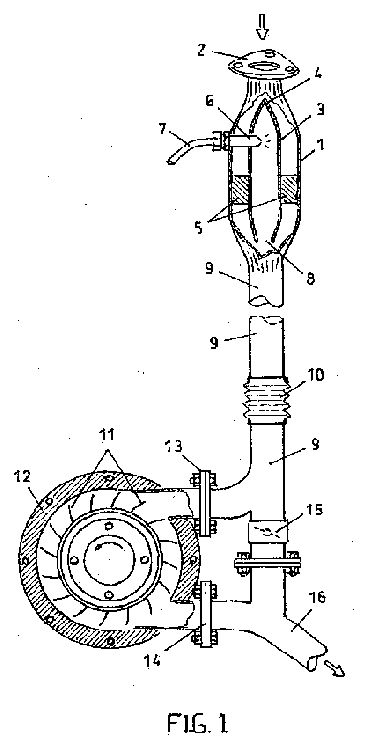
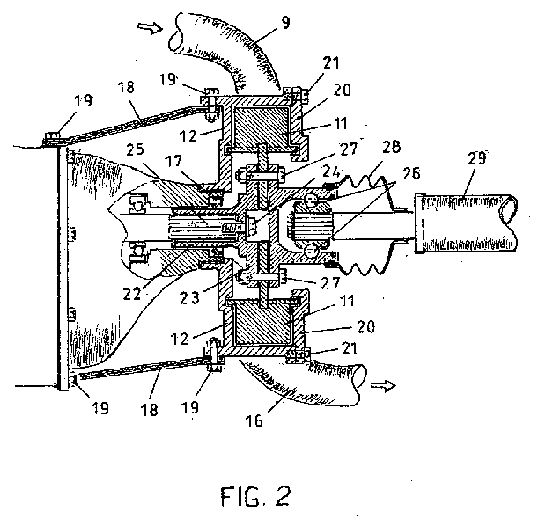
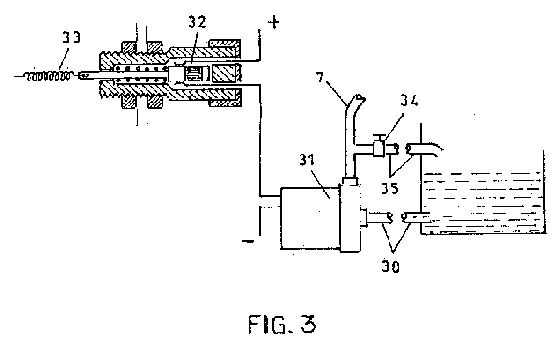
The device heats waste oil in a gas generator, vaporising it into a combustible gas that is injected into the engine's intake. The added gas supplements gasoline, providing up to 30 % fuel savings, increased torque and power, and lower hydrocarbon/CO emissions. The device also produces solid sediments that reduce waste disposal needs.
Principles
- Thermal conversion of liquid waste to gas
- Combustion gas supplementation
- Energy recovery from waste streams
Scientific Domains
Materials
- used cooking oil
- engine oil
- washing fuel
Mechanisms of Action
- Heating waste oil to vaporise it into a flammable gas
- Injecting the gas into the engine intake to augment fuel mixture
Energy Sources
Applications
- Vehicle fuel supplementation
- Waste oil disposal
Claimed Performance
Fuel savings up to 30 %; increased engine power, torque and speed; reduced hydrocarbon and carbon-monoxide emissions.
Experimental Evidence
Tested on a 1994 vehicle; observed increased engine power, torque and speed, and longer mileage per liter of fuel. Sediment reduction reported when processing a litre of used oil.
Replication Status
Only a single vehicle test reported; no independent replication documented.
Limitations
- Requires heating of waste oil, consuming energy
- Gas quality and consistency not quantified
- Potential engine compatibility issues