Goal
Provide rapid vertical ascent (reverse rappelling) for soldiers, firefighters, rescue personnel and other users on vertical surfaces.
Problem
Slow, labor-intensive climbing of buildings, cliffs or other vertical structures during rescue, military or industrial operations.
Concept Summary
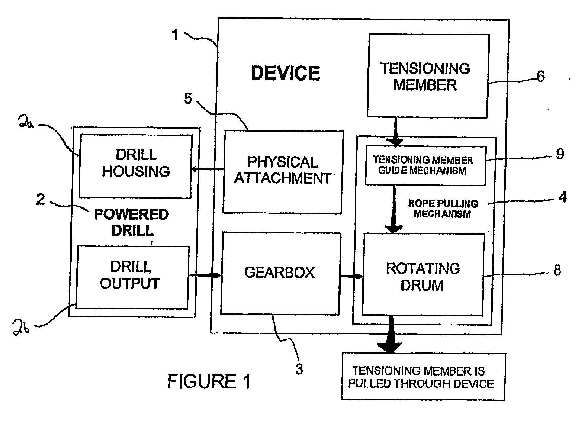
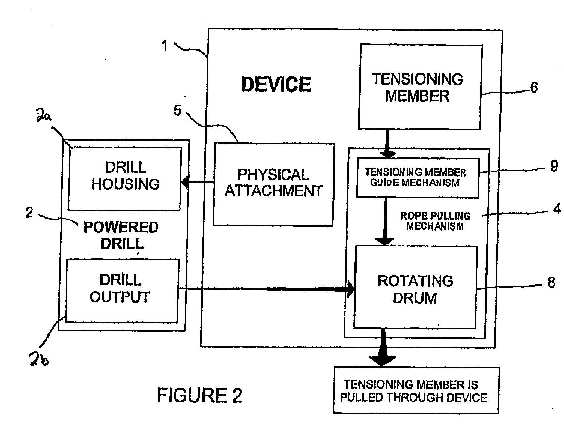
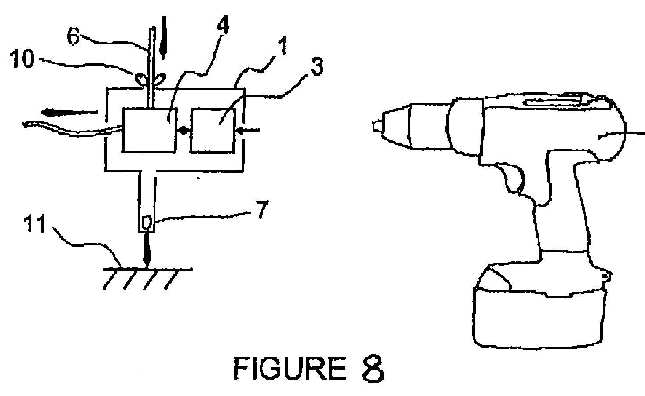
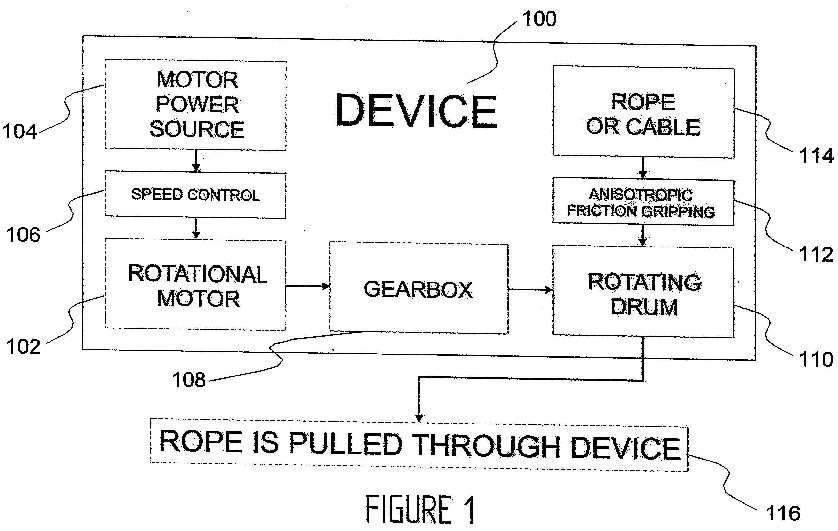
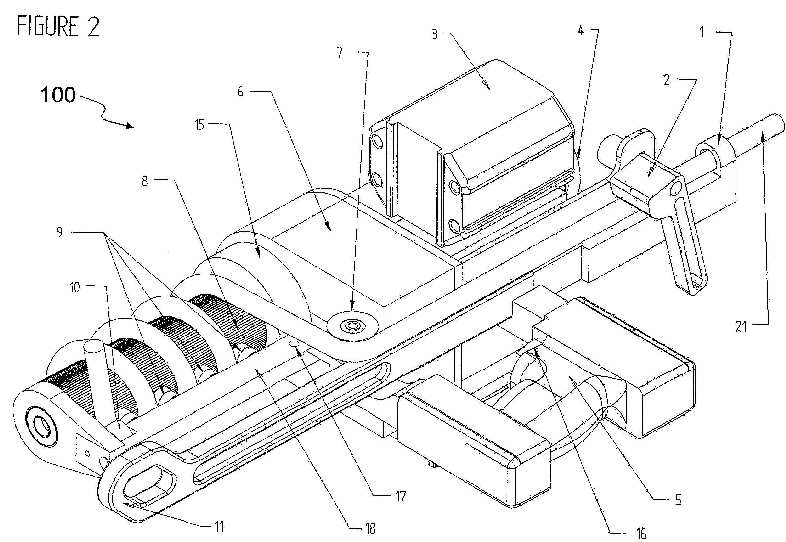
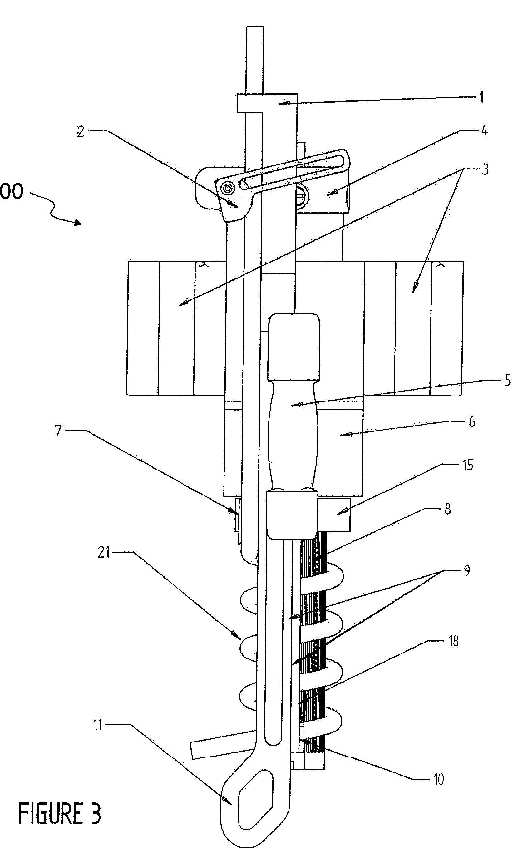
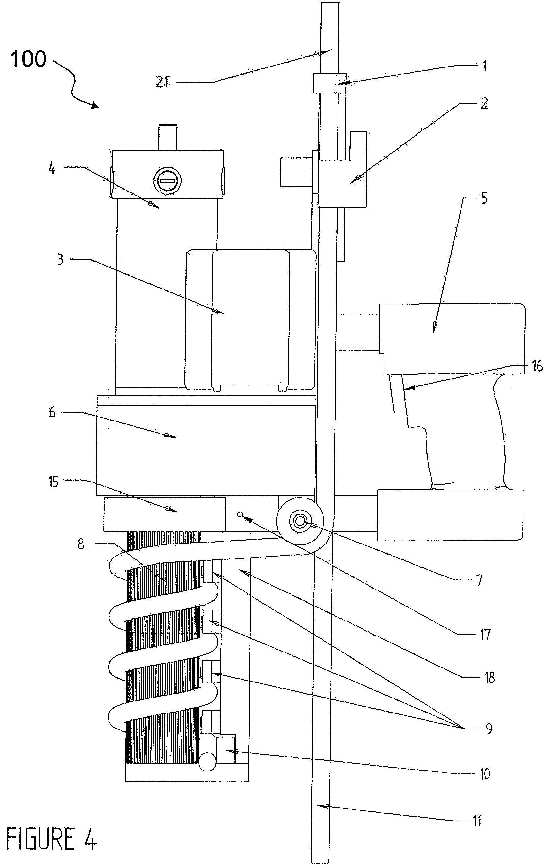
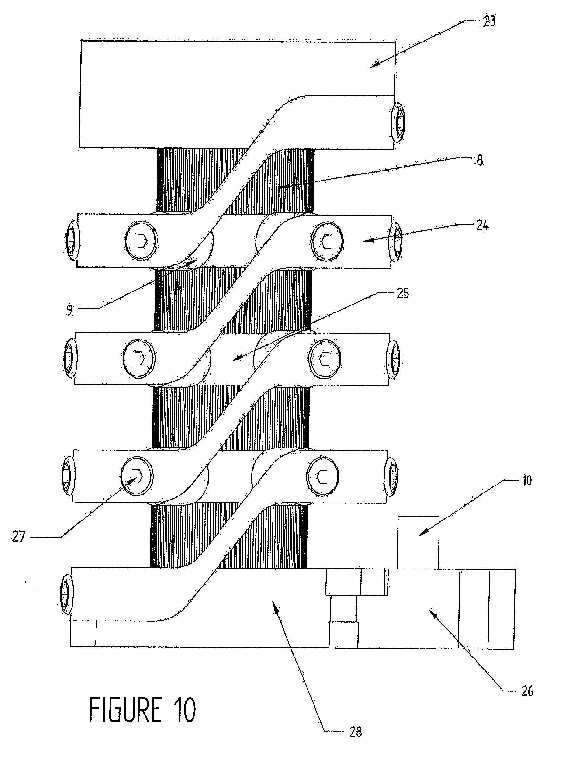
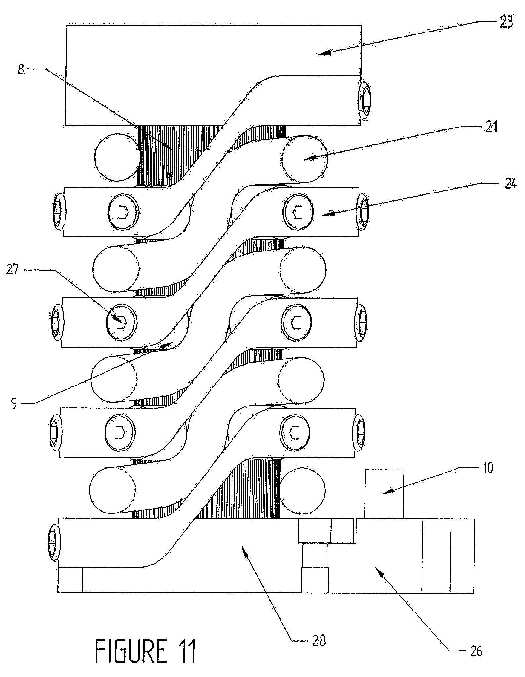
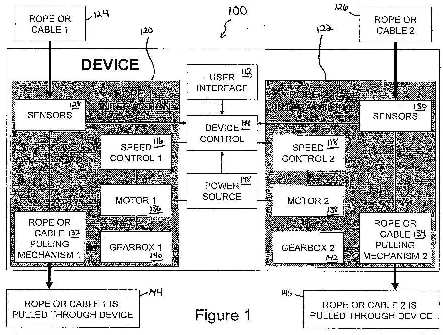
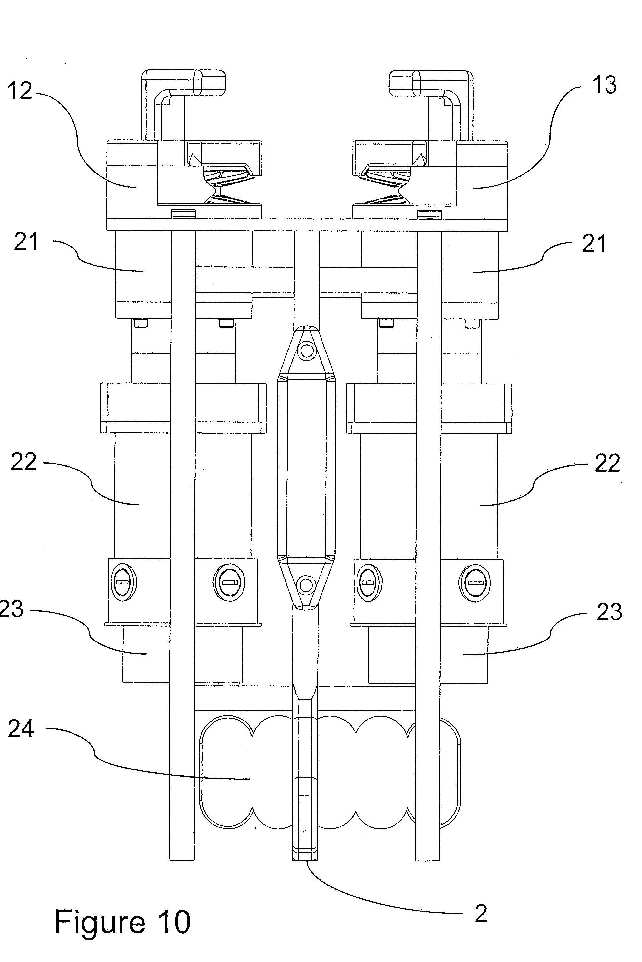
A battery-powered, handheld device that uses a capstan-type rope-handling mechanism to pull a loaded rope through a series of rollers on a rotating spindle, producing a high-torque pull that can lift 250 lb at up to 10 ft / s.
Detailed Description
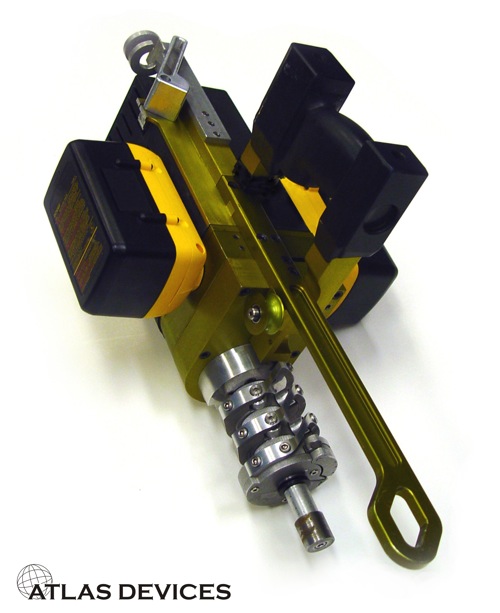
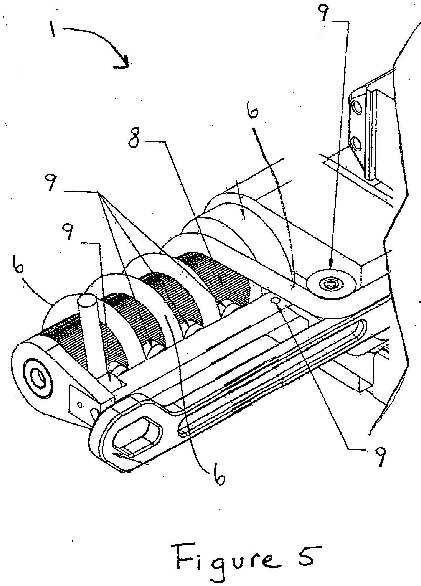
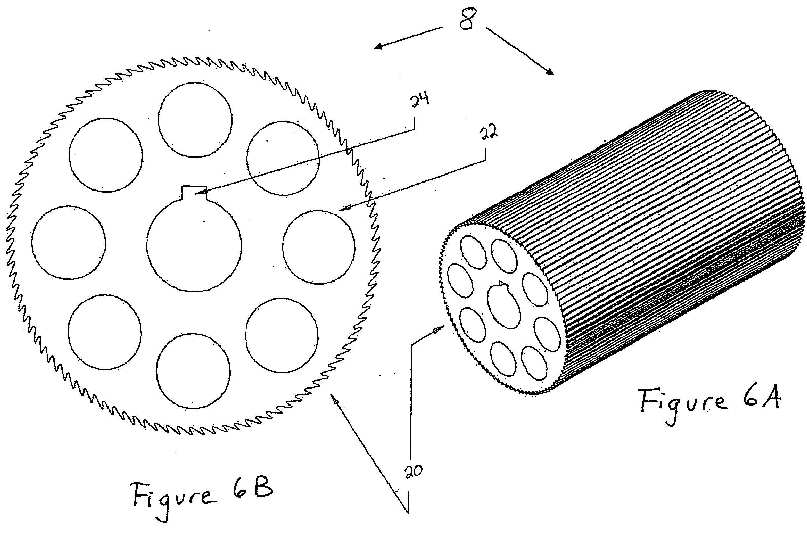
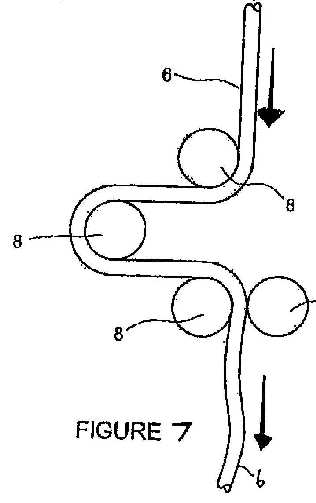
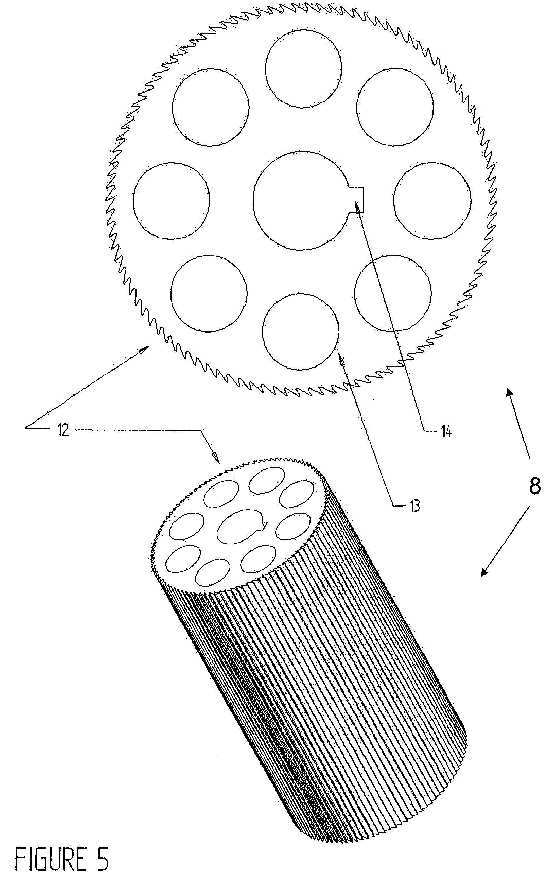
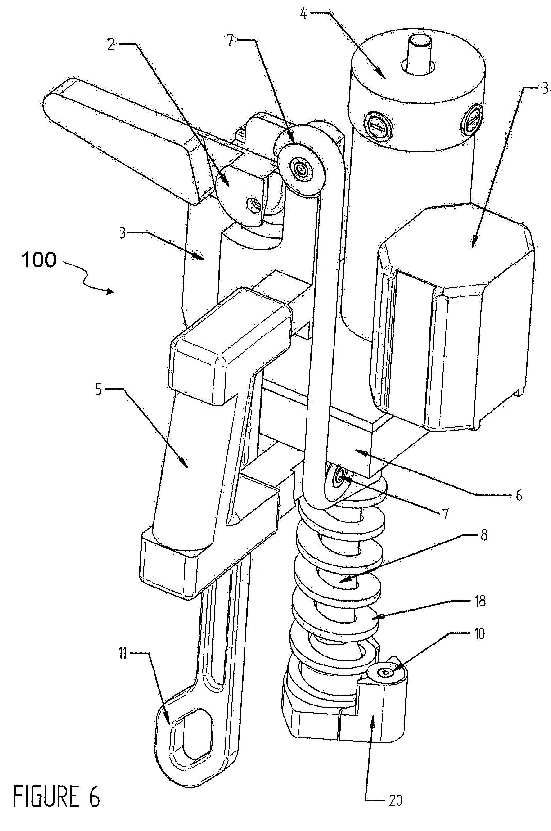
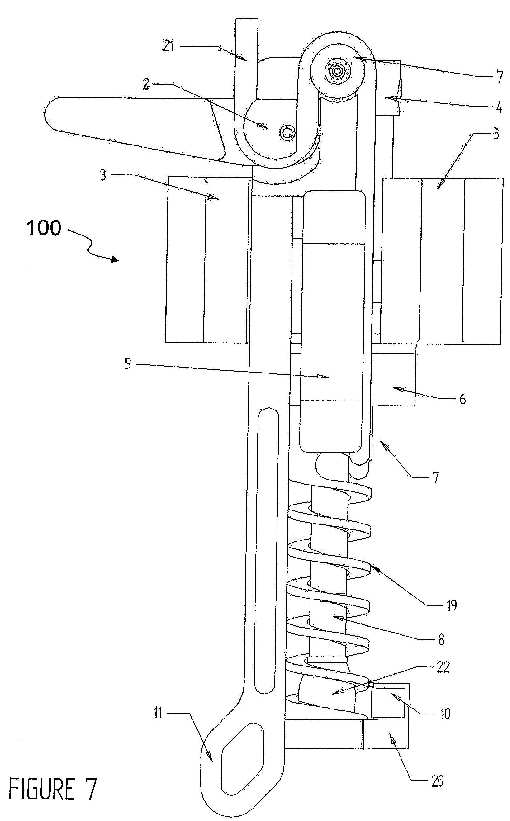
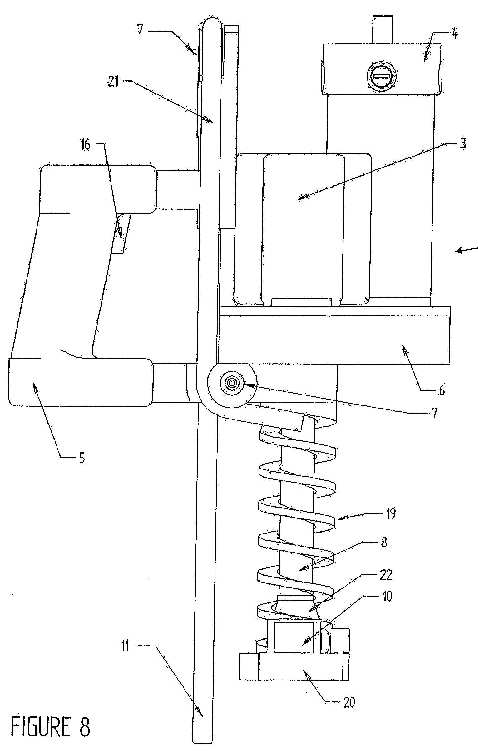
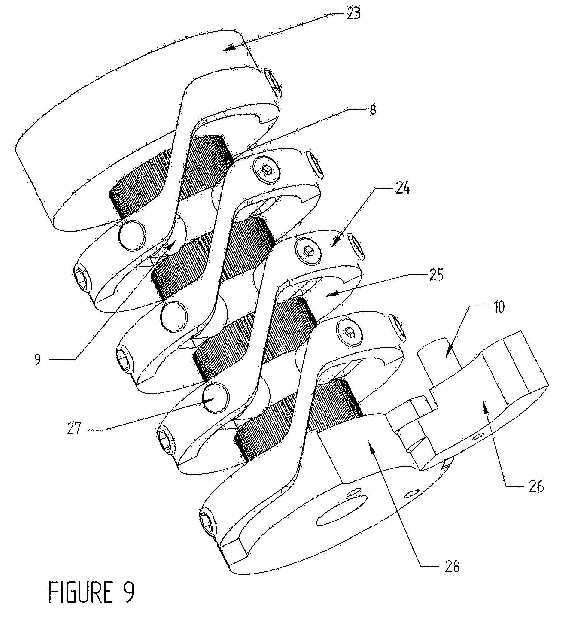
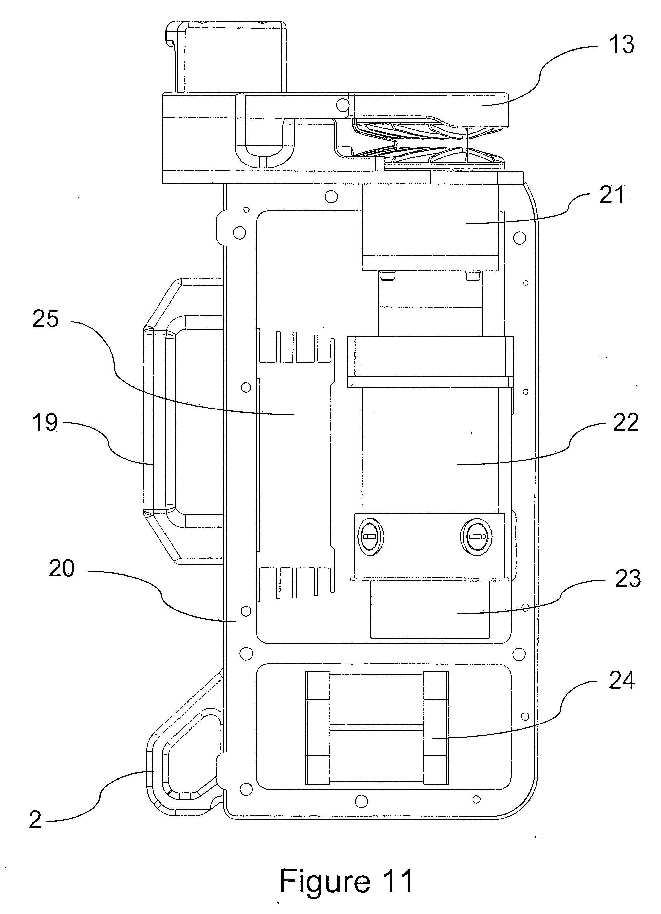
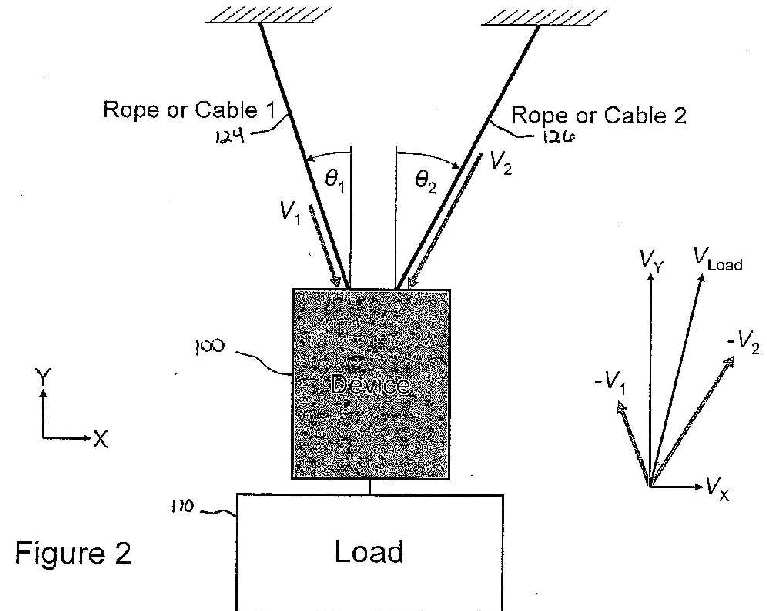
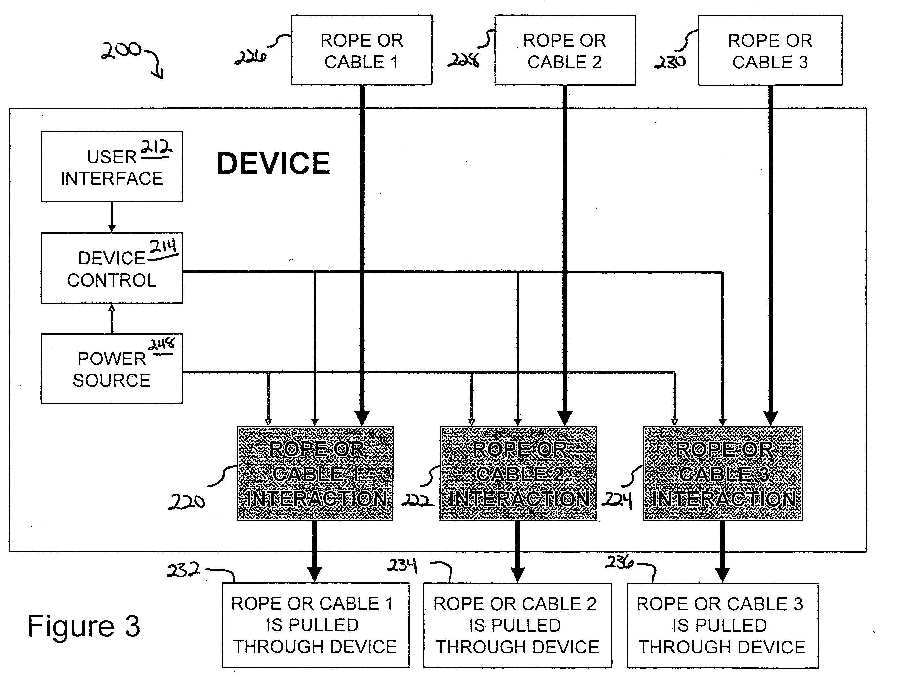
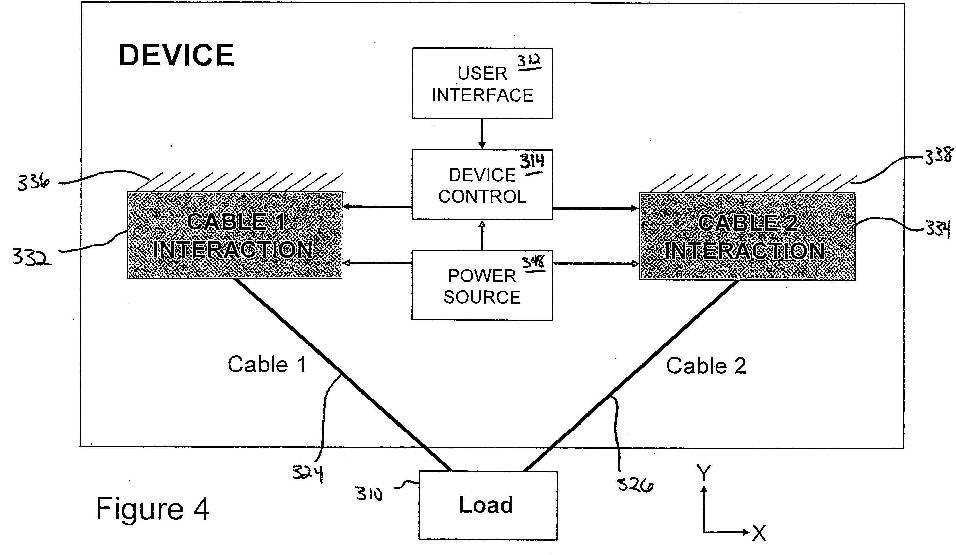
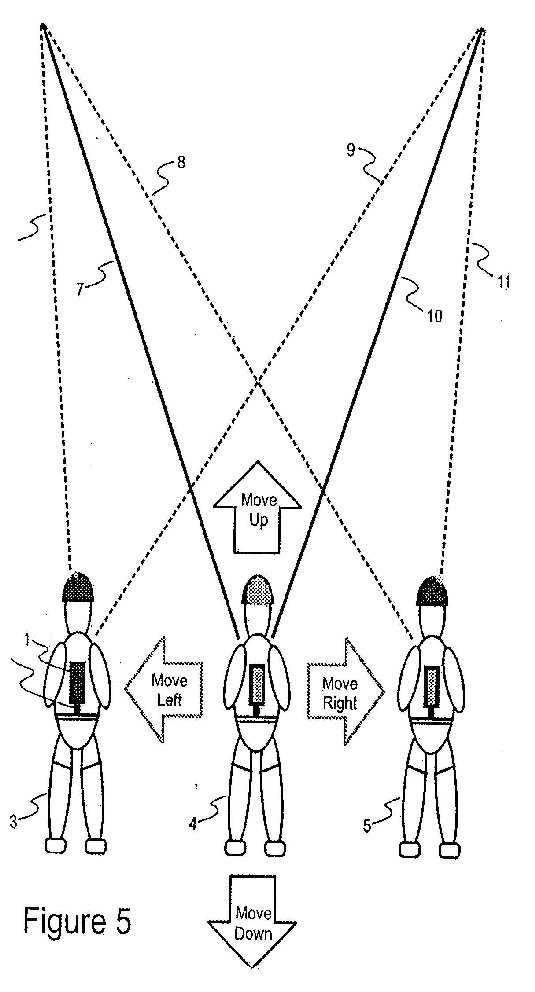
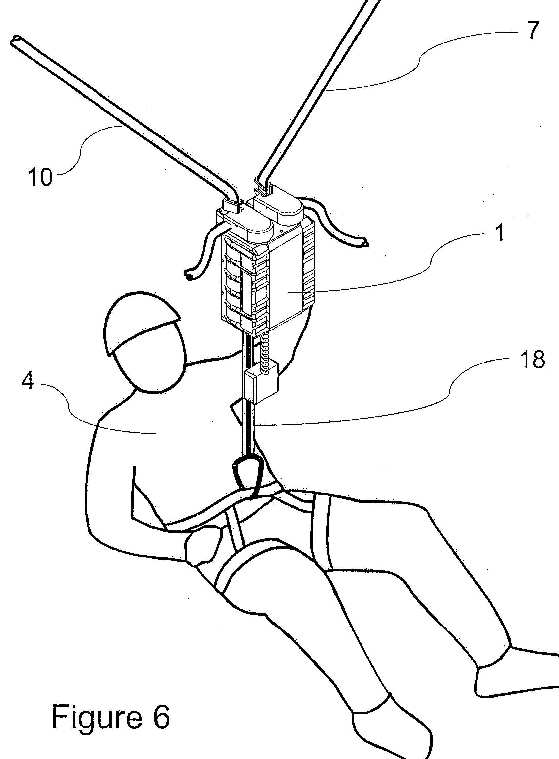
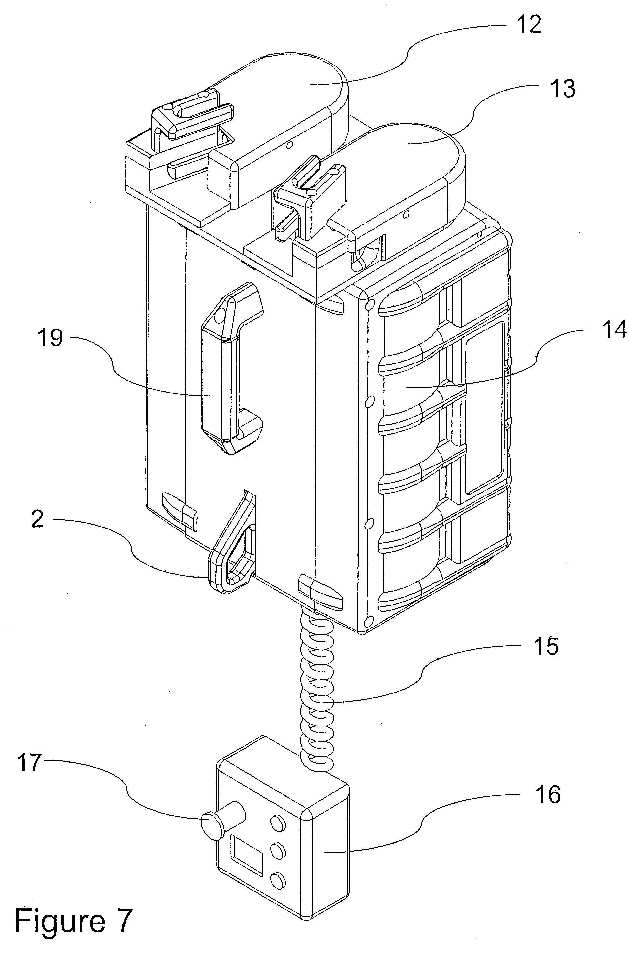
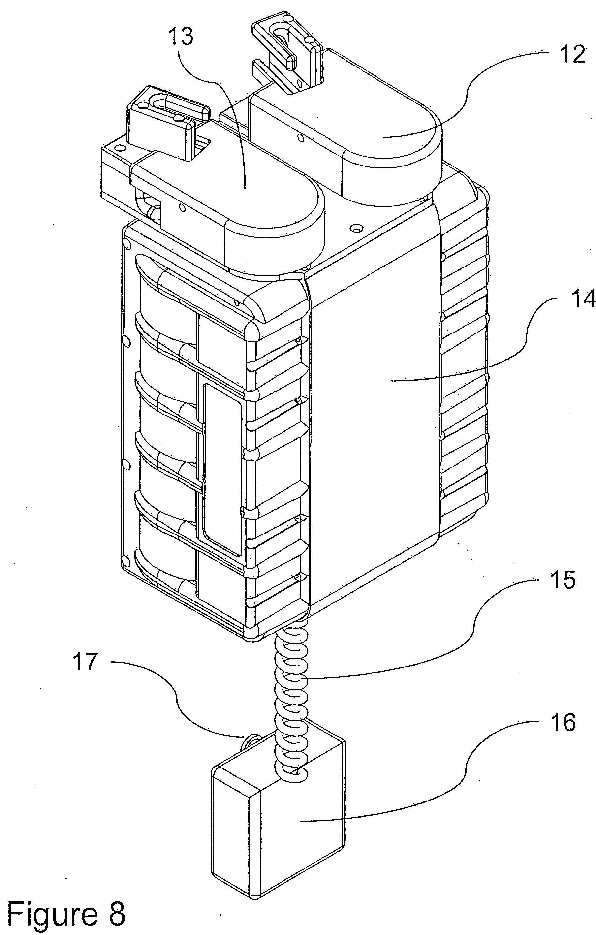
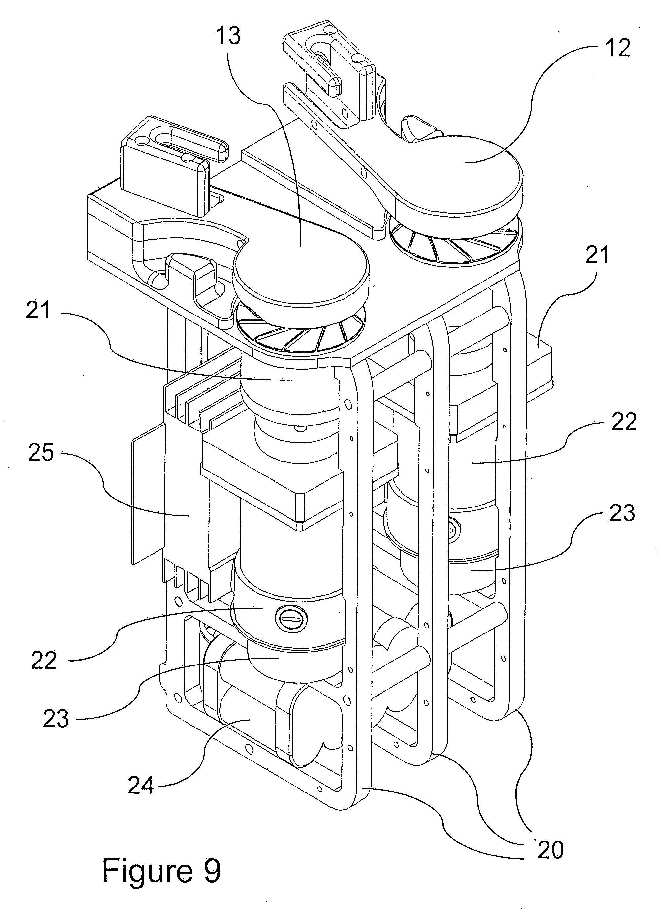
The Atlas Power Ascender (APA) employs a standard-size rope (3/8-5/8 in) woven between specially configured rollers that sit on a turning spindle. As a high-density lithium-ion battery drives the spindle, the rope is continuously pulled, exploiting the capstan effect: each additional wrap around the cylinder increases friction and grip, allowing the device to lift heavy loads with a small motor. The prototype weighs ~20 lb, can lift 250 lb 50 ft in ~7 s, and has demonstrated a 100-ft continuous ascent in 14 s using an A123Systems lithium-ion battery. The system is portable, hand-held, and designed for rapid deployment in urban warfare, rescue, industrial access, and recreational climbing.
Principles
- Capstan (friction) effect
- Electric motor drive
- Battery power
- Mechanical advantage via rope wrapping
Scientific Domains
Materials
- Standard nylon/steel rope (3/8-5/8 in)
- Lithium-ion battery (A123Systems)
- High-power density electric motor
- Metal rollers and spindle cylinder
Mechanisms of Action
- Motor-driven spindle pulls rope
- Capstan friction increases grip with load
- Battery supplies electric power to motor
Energy Sources
Applications
- Rescue operations
- Urban warfare
- Industrial access
- Recreational climbing
- Cave exploration
Claimed Performance
Lift 250 lb at up to 10 ft / s; hoist 250 lb 50 ft in ~7 s; 100-ft continuous ascent in 14 s on a single battery charge.
Experimental Evidence
Prototype successfully completed a 100-ft continuous ascent to a tower platform in 14 seconds and hoisted a 250-lb load 50 ft into the air in 7 seconds.
Replication Status
Prototype demonstrated; three patents pending for rope interaction mechanism; U.S. Army funding awarded; device commercially marketed by Atlas Devices, LLC.
Limitations
- Device weight (~20 lb) limits portability for some users
- Battery endurance limited to short, high-power bursts
- Requires suitable rope and vertical surface
- Performance may degrade with rope wear or debris