Goal
Generate continuous electrical power without external fuel by magnifying inductive energy using low-inertial-mass electrons.
Problem
Need for an inexpensive, unlimited source of electric energy that bypasses conventional fuel and energy-conservation limits.
Concept Summary
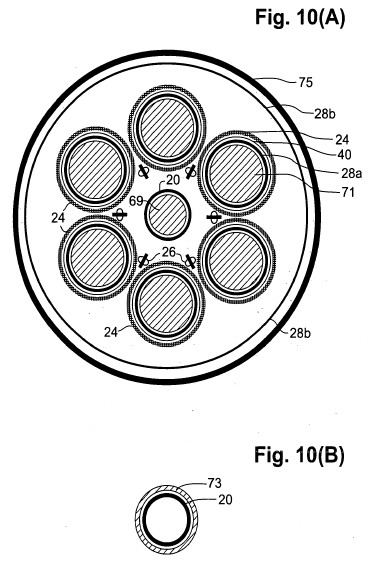
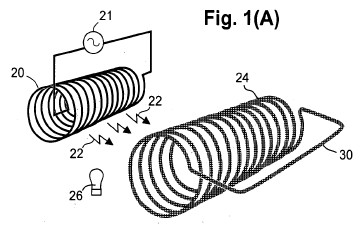
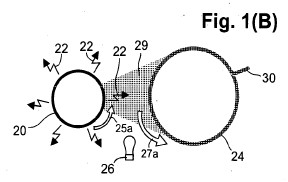
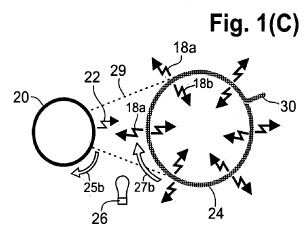
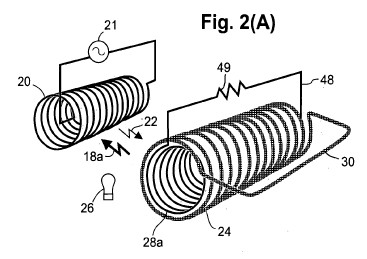
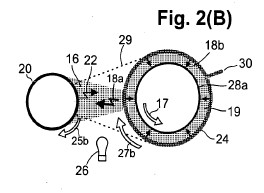
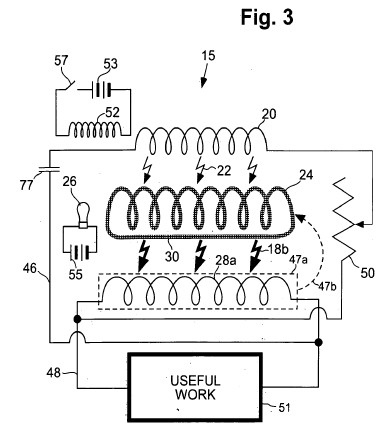
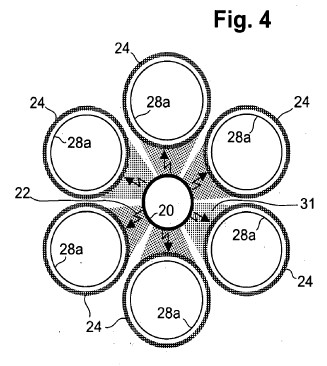
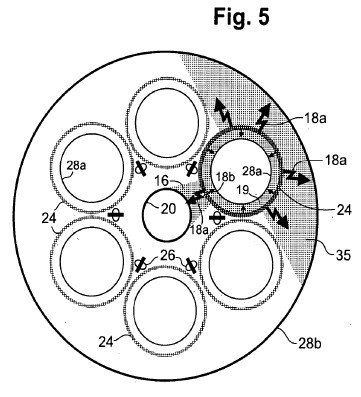
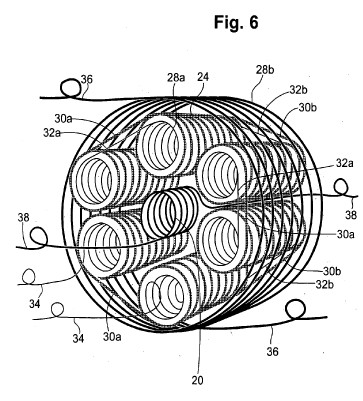
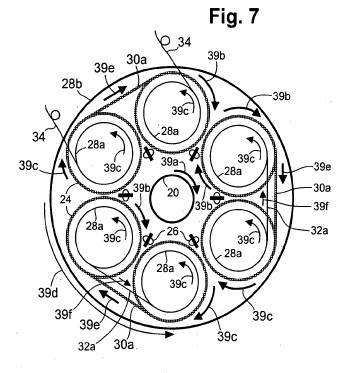
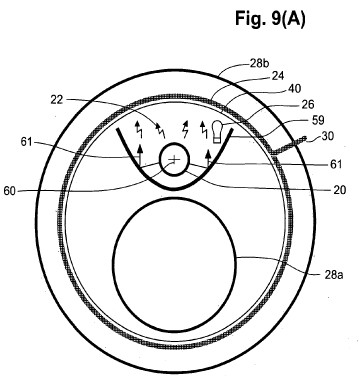
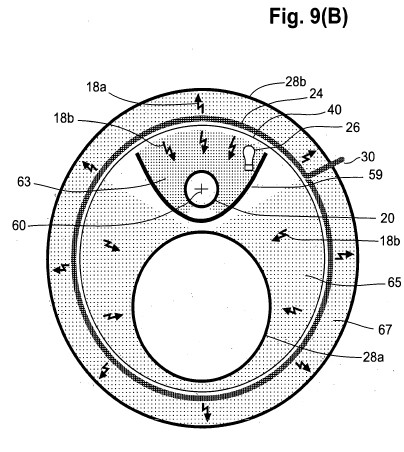
The invention exploits electrons that have an effective mass far lower than normal conduction electrons (Low Mass Electrons - LMEs). When these LMEs are accelerated, they radiate inductive photons whose energy scales with the square of the acceleration. By placing LMEs in a semiconductor or superconductor coating on a coil, the inductive-photon energy is magnified (inductive-energy-magnification factor = 1/(electron-mass)^2). The magnified energy is fed back to the coil system, creating a self-sustaining oscillation that can produce more electrical output than the input energy.
Principles
- Low-inertial-mass electron acceleration
- Inductive photon radiation proportional to acceleration^2
- Helmholtz ad-infinitum force exemption
- Inductive-energy-magnification factor = 1/(electron mass)^2
Scientific Domains
Materials
- Cupric oxide (CuO) coating
- Cadmium sulfide (CdS) photoconductor
- Lead sulfide (PbS) semiconductor
- Superconducting wire (electron mass ~= 1/10 000 of normal)
- Metallic coil (sending and output coils)
Mechanisms of Action
- Accelerated low-mass electrons radiate inductive photons
- Photon-induced current magnification in coated coils
- Feedback loop that sustains oscillations after an initial trigger
Energy Sources
Applications
- Transportation power (boats, aircraft, automobiles)
- Grid-scale electricity generation
- Desalination and water processing
Claimed Performance
1920 demonstration: 330 A at 125 V (~=25 kW) powering a 35-hp motor boat for several hours; 1919 experiment lighting a 20-W bulb; theoretical discharge of 2.8 x 10^9 J from a 4-hour charge of a superconducting coil.
Experimental Evidence
Historical reports of Hubbard's fuelless generator (1919-1920) lighting a bulb and driving a boat; Leimer's 1915 radium-enhanced antenna showing a 2.6-fold current increase; Princeton supercurrent experiment (1963) showing discharge time 100 million-times longer than charge time.
Replication Status
Early 20th-century replications reported (Hubbard, Hendershot), but modern replication has not been achieved due to radium scarcity and lack of disclosed semiconductor-coating procedures.
Limitations
- Historical reliance on scarce radium sources
- Unverified mechanism of low-mass electron generation
- No peer-reviewed replication or independent validation
- Scalability of semiconductor coating processes
Red Flags
- Claims violate conventional conservation of energy
- Evidence consists mainly of anecdotal historical reports
- Potential for fraud or misrepresentation due to lack of independent testing