Goal
To produce abundant electrical power from a minimal initial electricity input by capturing electrons from the earth or free space, creating a self-sustaining power loop.
Problem
The need for sustainable, low-cost electricity generation and the desire to obtain energy from unconventional sources beyond conventional electromechanical generators.
Concept Summary
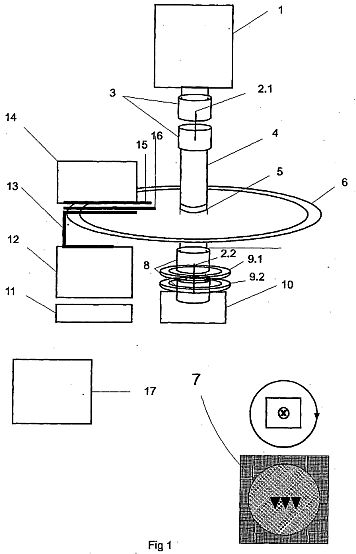
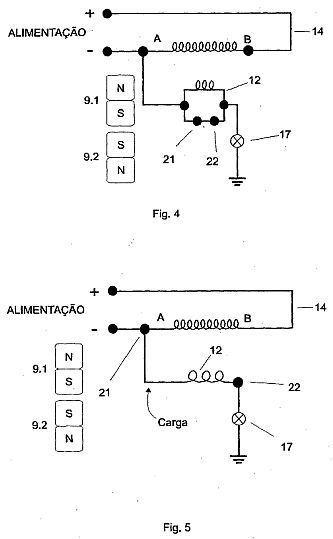
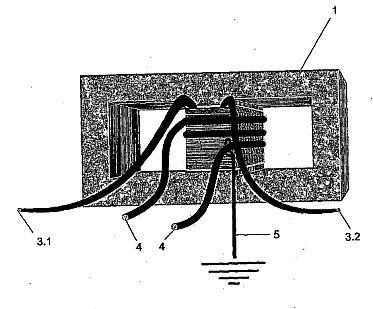
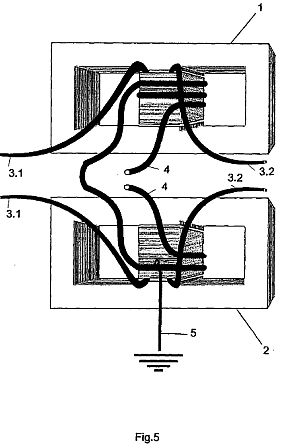
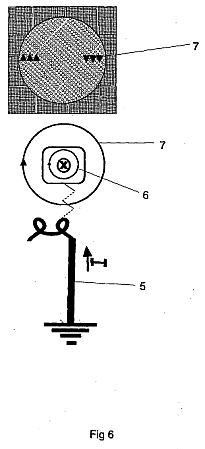
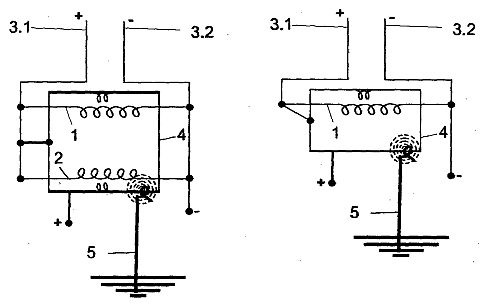
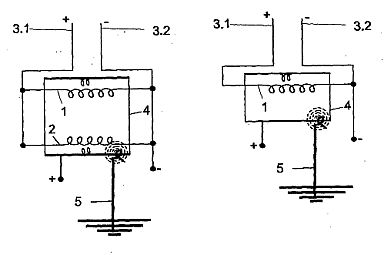
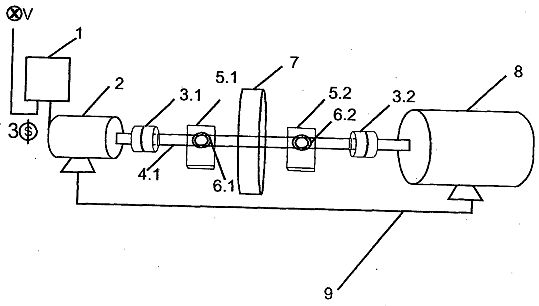
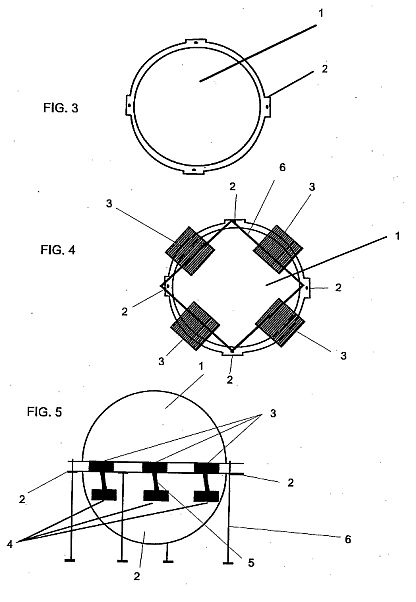
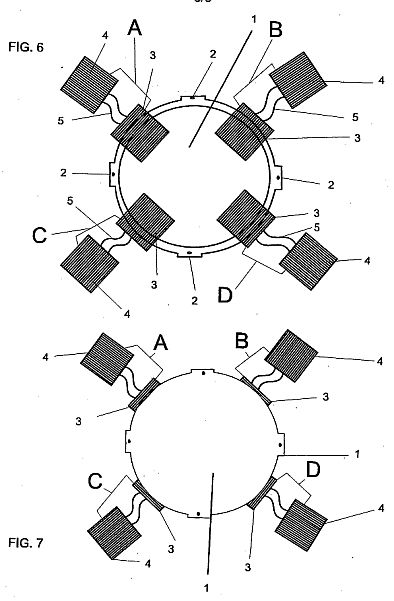
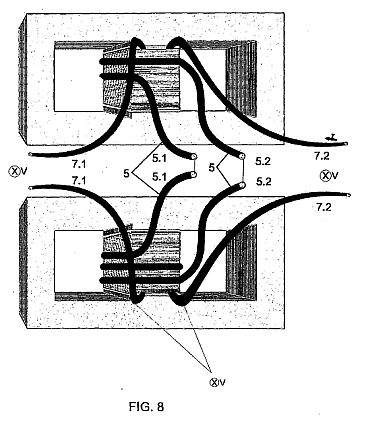
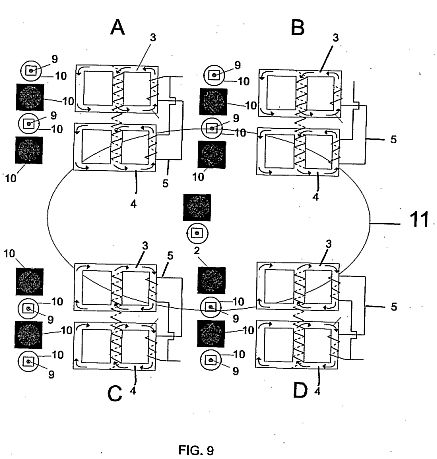
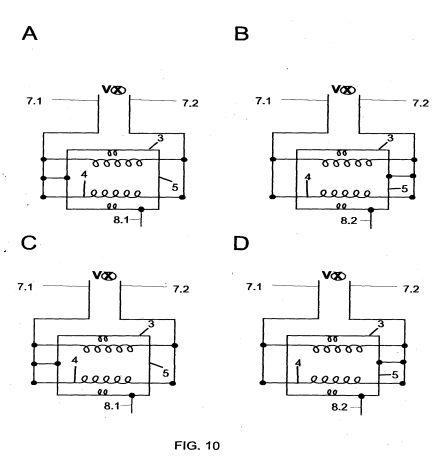
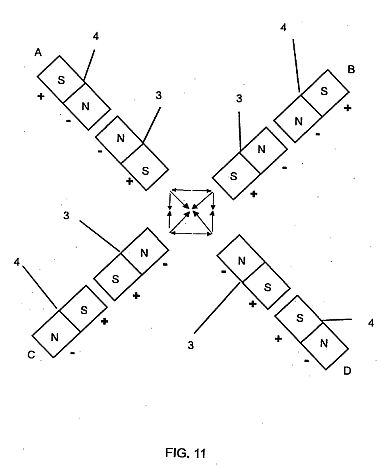
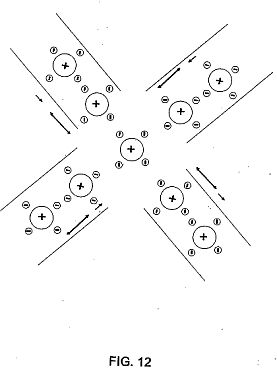
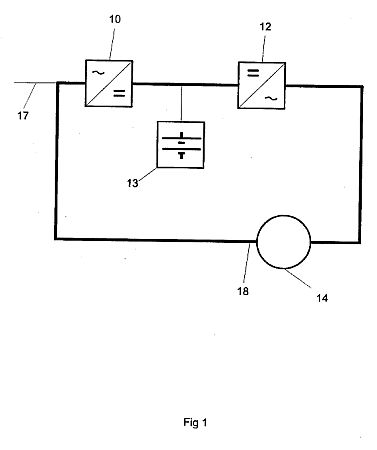
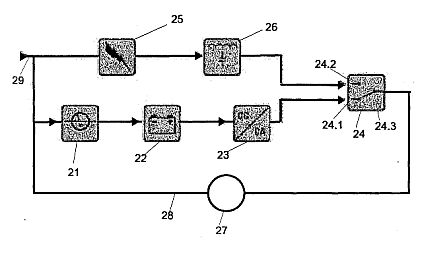
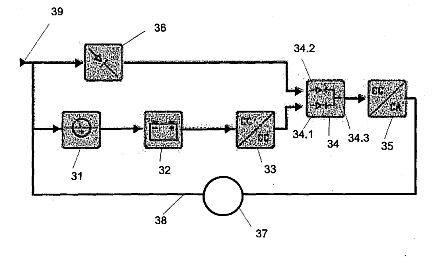
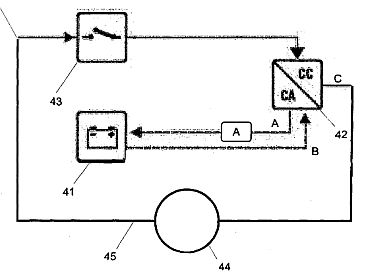
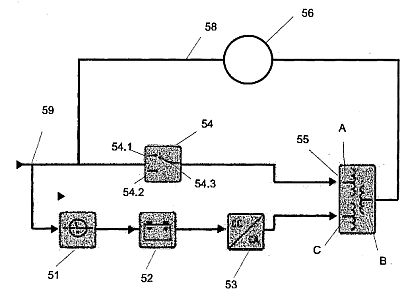
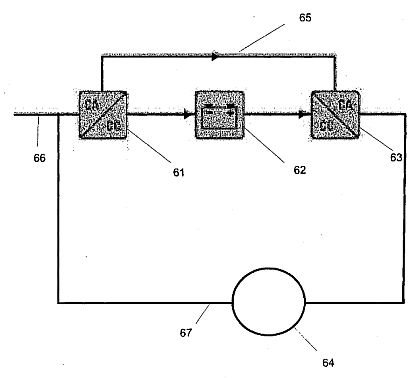
The invention describes an electromagnetic system that connects an electron-capturing element (either a ground-linked earth electron sensor or a free-space sensor) to a basic UPS-style circuit of rectifier, inverter and battery bank. The inverter supplies alternating current to the sensor, which allegedly captures electrons and feeds the rectifier, re-charging the batteries and closing a feedback loop that can generate power many times greater than the initial input.
Detailed Description
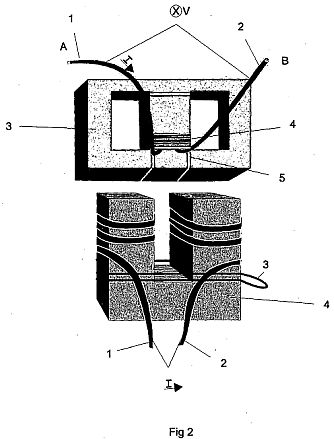
The system consists of a rectifier (AC-DC converter), an inverter (DC-AC converter), a series-connected battery bank and an electron-capturing element. The battery bank initially powers the inverter; the inverter then drives the electron sensor, which captures electrons from the earth or free space and converts them to DC to recharge the batteries. The loop continues autonomously, providing electricity to external loads. Variants include mobile or fixed installations, different phase configurations (single, two, three-phase) and integration with surge suppressors and transfer switches for emergency operation.
Principles
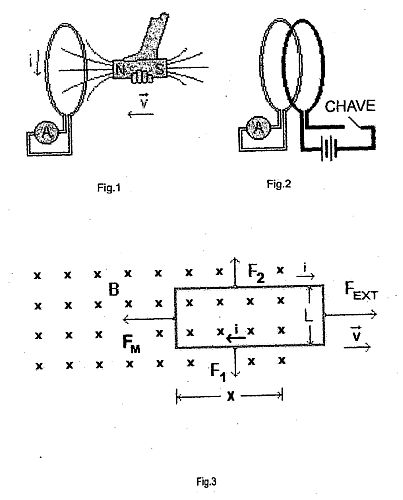
- Electromagnetic induction
- Electron capture from earth/free-space
- Feedback energy in power electronics
- Self-powered UPS architecture
Scientific Domains
Materials
- Copper wiring
- Semiconductor diodes and transistors
- Magnetic cores
- Battery cells (lead-acid, lithium, etc.)
- Electronic components (capacitors, resistors)
Mechanisms of Action
- Inverter supplies AC to electron sensor
- Sensor captures electrons and converts them to DC
- Rectifier converts AC to DC to recharge batteries
- Closed-loop feedback sustains operation
Energy Sources
Applications
- Industrial electricity generation
- Commercial power supply
- Residential electricity
Claimed Performance
The sensor can generate power thousands of times greater than the energy initially supplied, with the excess energy returning to the earth source.
Limitations
- No quantitative experimental data provided
- Claims rely on unverified electron-capture mechanism
- Lack of independent peer-reviewed validation
- Unclear material specifications for the electron sensor
Red Flags
- Overunity claim (power thousands of times greater than input)
- Absence of experimental results or independent replication
- Vague description of the electron-capture physics
- Reliance on proprietary patents without disclosed data