Goal
Use pulsed radio-frequency (RF) plasma emissions to resonantly disrupt microorganisms and influence biological processes for therapeutic, agricultural, and environmental applications.
Problem
Microorganism-based diseases, low crop yields, water contamination, and limited methods for non-chemical bio-process enhancement.
Concept Summary
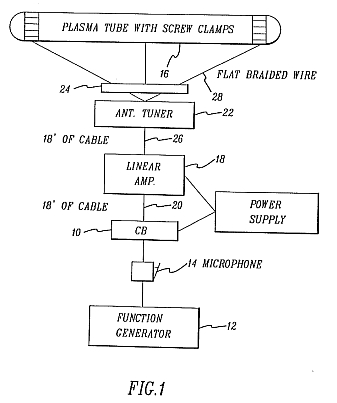
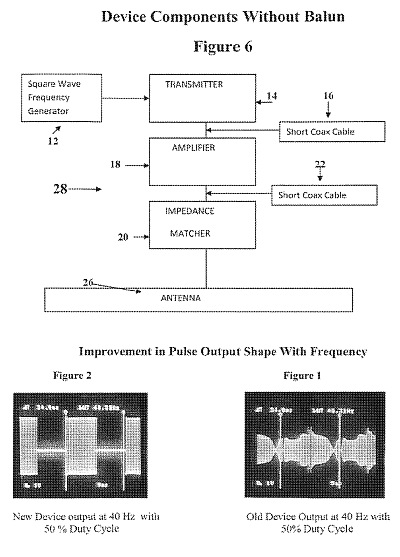
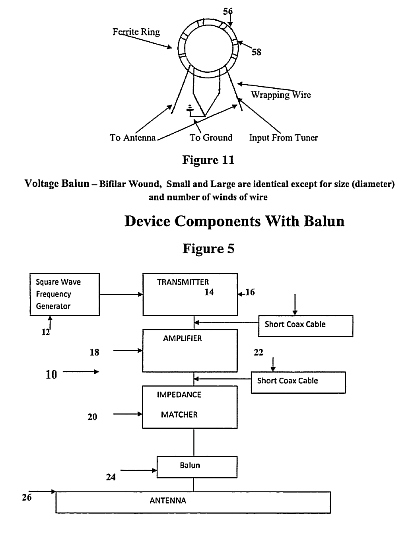
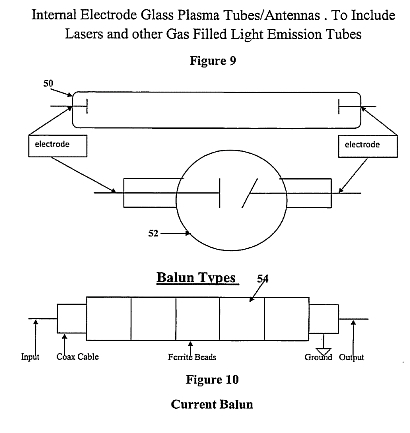
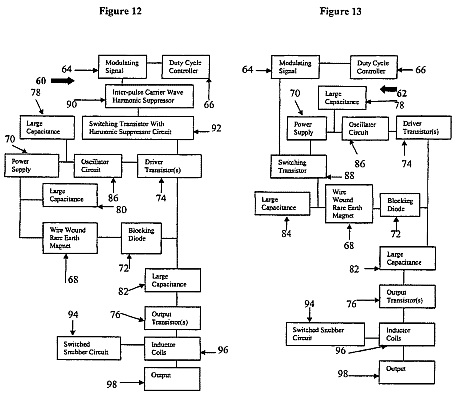
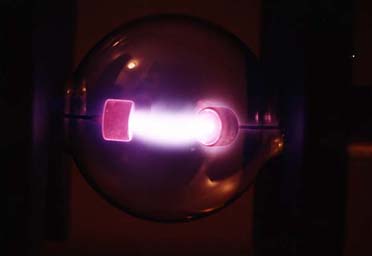
The device couples a radio-frequency transmitter to a gas-filled glass plasma tube (Phanotron diode). The pulsed RF excites the gas, creating a plasma that emits electromagnetic, UV, and ozone radiation. When the plasma tube is positioned near a target (e.g., patient or crop), resonant coupling adjusts the carrier frequency to the target's electrical properties, producing biological effects such as microbial destruction or altered cellular activity.
Detailed Description
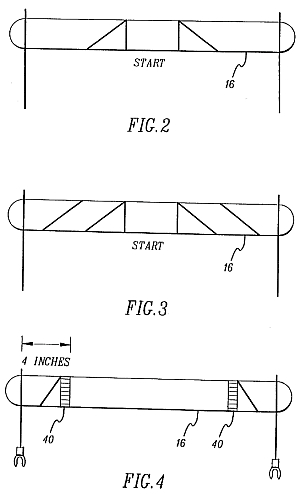
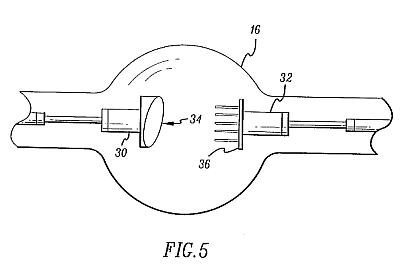
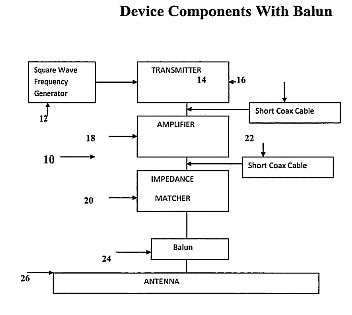
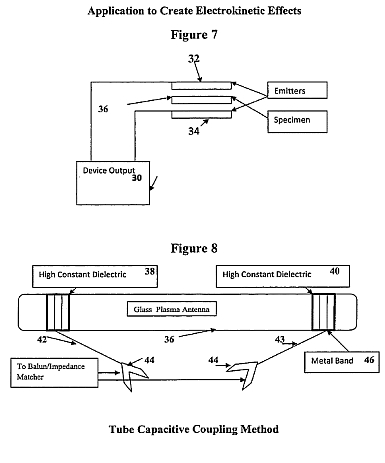
A high-voltage RF oscillator drives a Phanotron diode filled with an inert gas (helium, argon, neon). The tube is placed 8-12 inches from the subject; the plasma's pulsed emissions couple electromagnetically, creating a resonant field that can mechanically stress cells (shake-till-it-breaks) and induce electro-kinetic phenomena (electro-osmotic, dielectrophoretic effects). The system may incorporate additional UV/ozone-producing plasma tubes for water purification or mold remediation. Patents (US 5908441, US 6221094, etc.) protect the specific electronics and plasma-tube configuration.
Principles
- Resonant coupling
- Plasma generation
- Pulsed RF transmission
- Electro-kinetic effects
Scientific Domains
Materials
- Glass tube (Phanotron diode)
- Inert gases (helium, argon, neon)
- Electrodes
- Copper wiring
- High-voltage capacitors
Mechanisms of Action
- Mechanical resonance of cellular structures
- Electromagnetic field interaction with charged particles
- Plasma UV and ozone emission
- Electro-osmotic and dielectrophoretic ion movement
Energy Sources
Applications
- Medical therapy (infection control, cancer adjunct)
- Agricultural enhancement (crop yield, pest control)
- Water treatment and purification
- Bio-fuel production (fermentation acceleration)
Claimed Performance
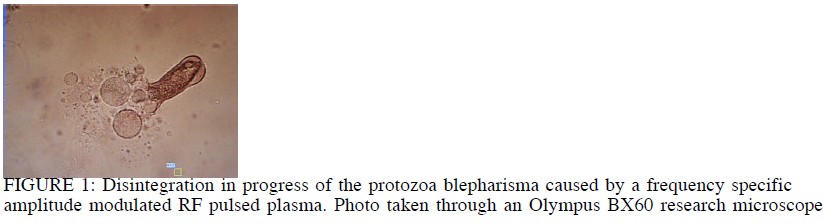
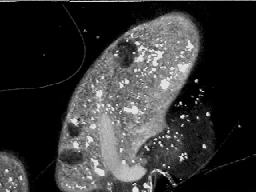
Destruction of microorganisms (e.g., Paramecium, Blepharism) observed in video; purported increases in crop yields, water purification efficiency, and accelerated fermentation.
Experimental Evidence
Videos on the author's site show microorganisms exploding when exposed to the device; no quantitative data or peer-reviewed studies are presented.
Limitations
- Lack of peer-reviewed quantitative data
- Unclear optimal frequencies for specific targets
- Potential safety concerns from high-voltage plasma and ozone exposure
Red Flags
- Extraordinary claims (microbial destruction, crop yield boost) without rigorous evidence
- Association with historically controversial Rife devices
- Potential for misuse as unproven medical treatment