Goal
Remove salt and contaminants from water to produce potable water.
Problem
High energy and fouling issues of conventional desalination; need for portable, low-maintenance water purification, especially for fracking wastewater and remote locations.
Concept Summary
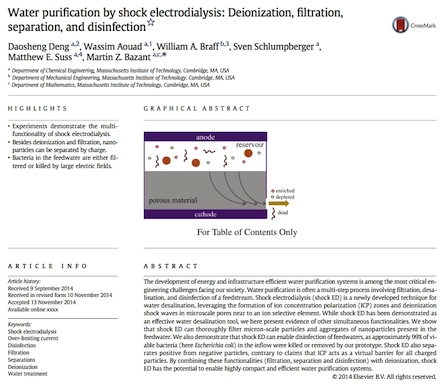
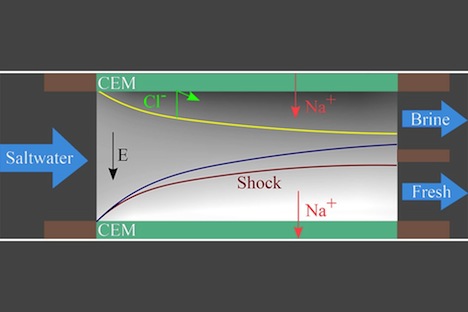
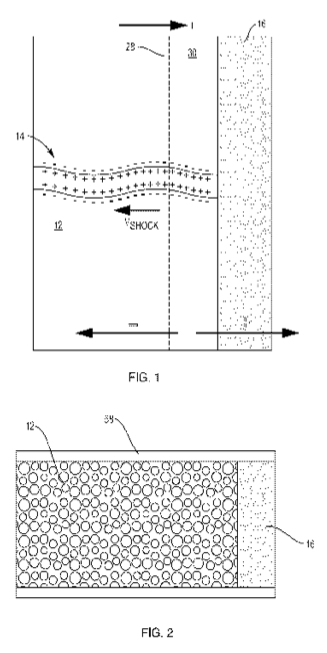
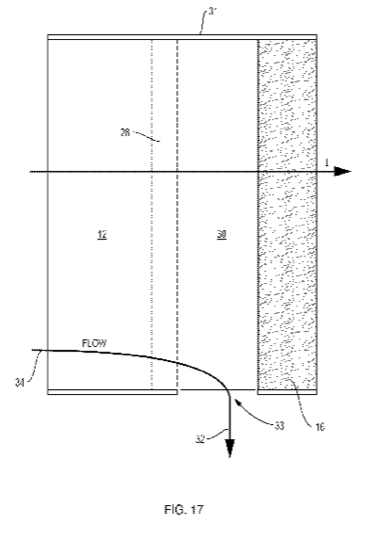
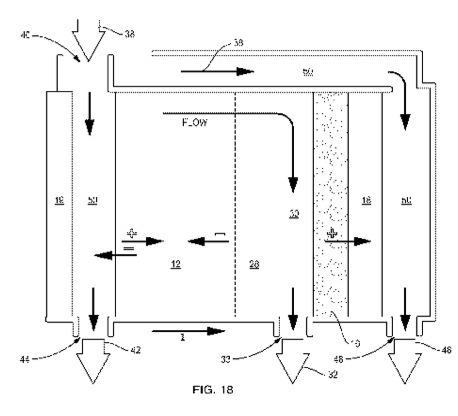
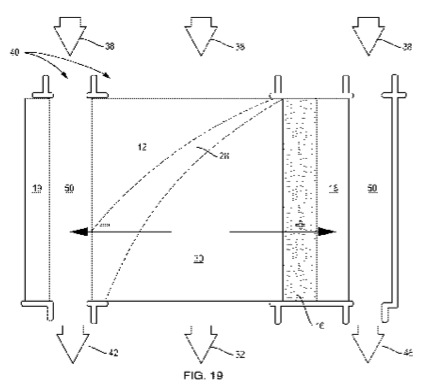
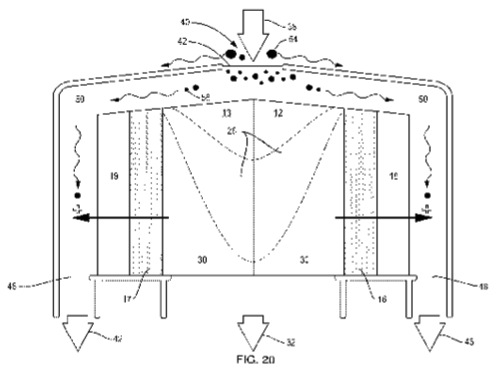
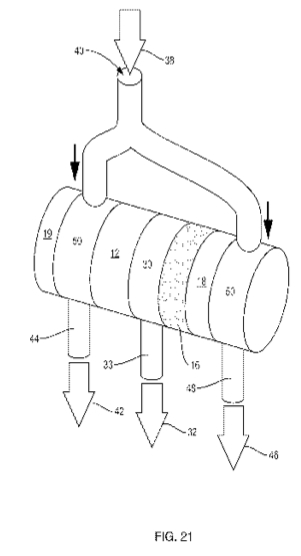
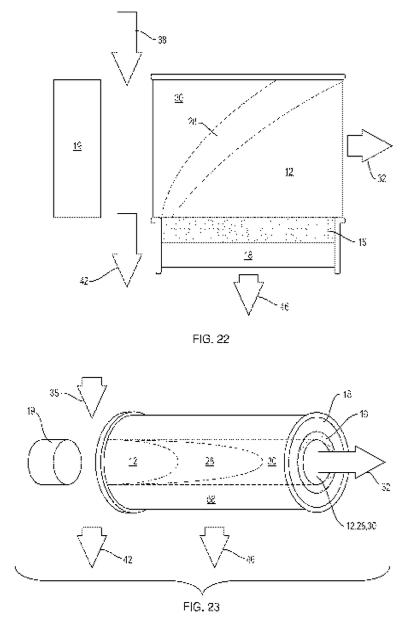
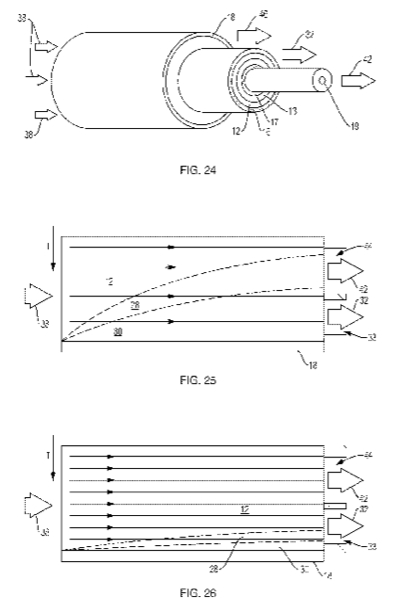
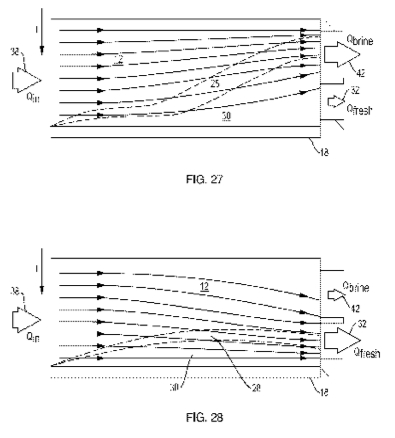
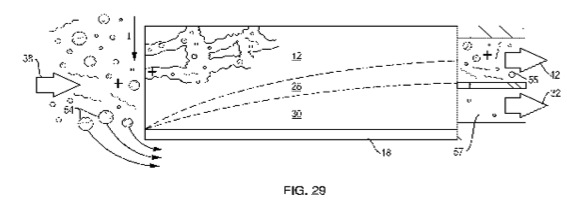
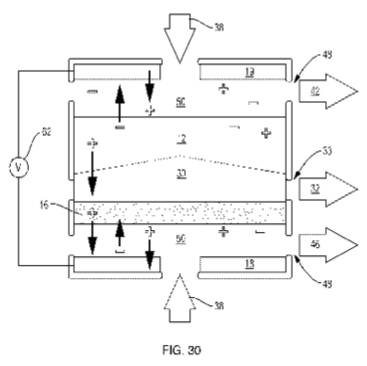
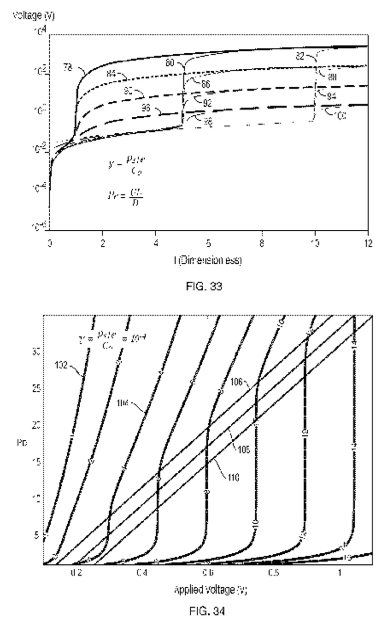
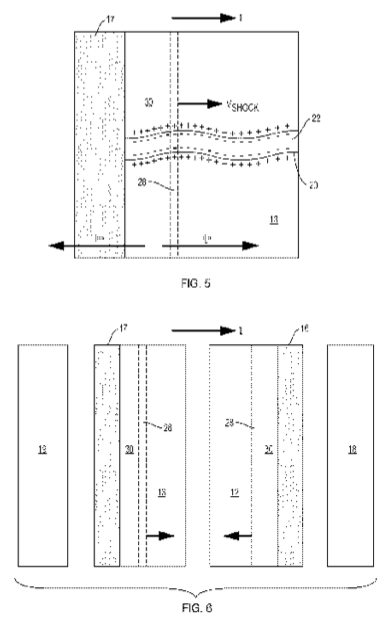
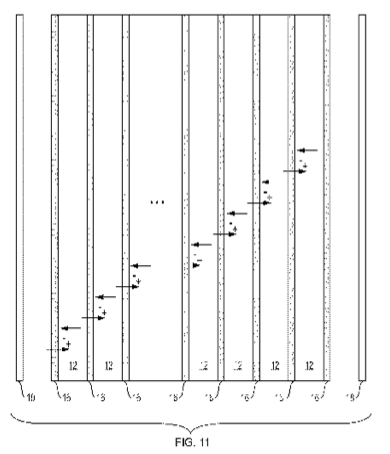
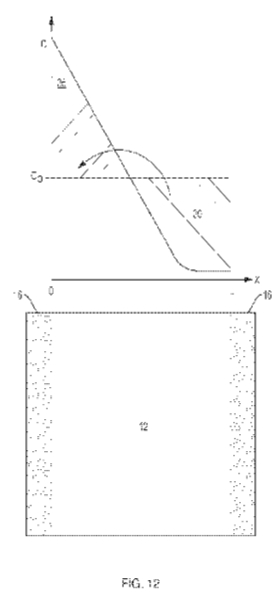
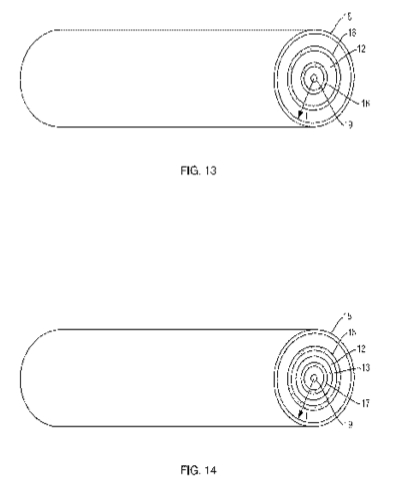
An electrically driven shockwave is generated inside a porous medium (glass frit) through which salty water flows. The shock creates a sharp ion-concentration gradient, pushing fresh water to one side and brine to the other, allowing simple physical separation without traditional membranes.
Detailed Description
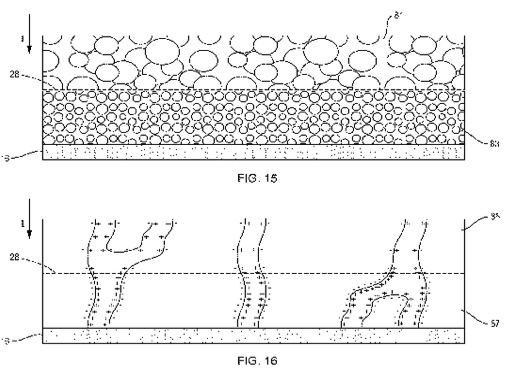
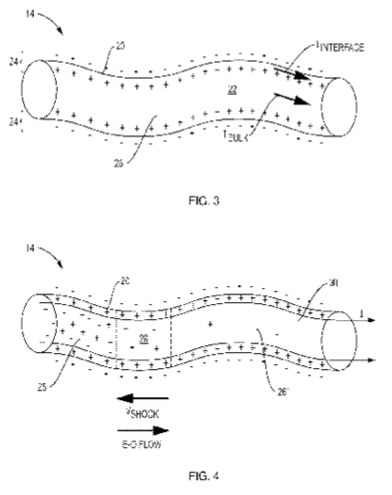
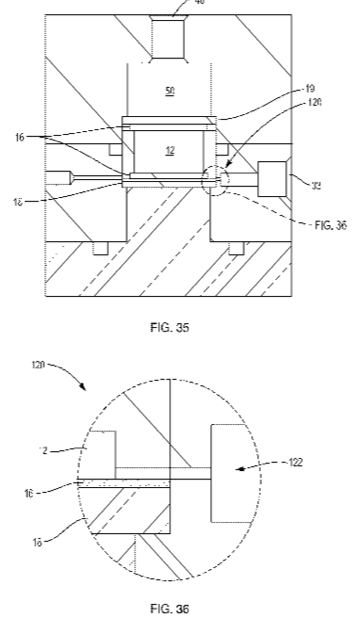
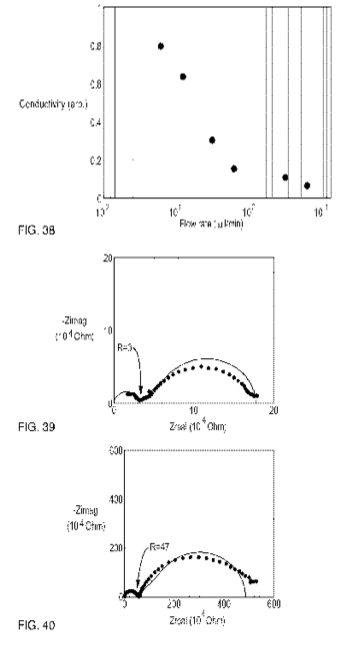
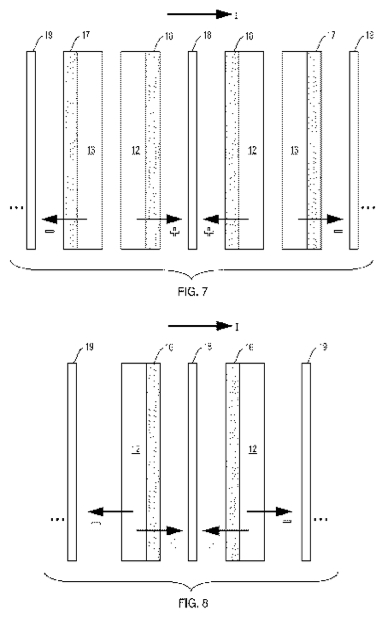
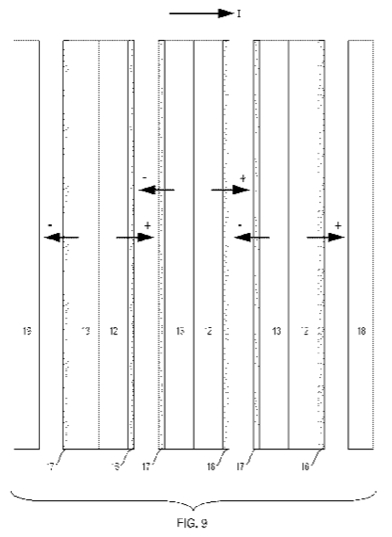
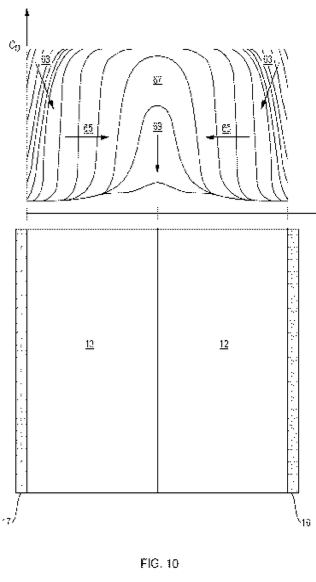
Water flows through a porous glass frit sandwiched between electrodes (and optionally ion-selective membranes). When a voltage is applied, an over-limiting current drives electro-osmotic flow and surface conduction, producing a deionization shock that propagates against the flow. The shock divides the channel into a depleted (fresh water) region and an enriched (brine) region. The two streams are collected separately. Laboratory prototypes demonstrated continuous operation with >99 % ion removal and water recoveries up to 79 % due to electro-osmotic pumping.
Principles
- Over-limiting current
- Electro-osmotic flow
- Deionization shock propagation
- Ion concentration polarization
Scientific Domains
Materials
- Silica glass frit (porous medium)
- Nafion cation-selective membrane
- Metal electrodes (e.g., copper, silver)
- Aqueous electrolyte (e.g., NaCl solution)
Mechanisms of Action
- Electric field induced ion migration
- Shockwave driven ion segregation
- Electro-osmotic pumping
Energy Sources
Applications
- Desalination of seawater and brackish water
- Treatment of hydraulic fracturing (fracking) wastewater
- Portable emergency water purification
- Industrial process water recycling
Claimed Performance
Removes >99 % (up to 99.99 %) of salt from 1-100 mM feeds; water recovery up to 79 % in laboratory prototype.
Experimental Evidence
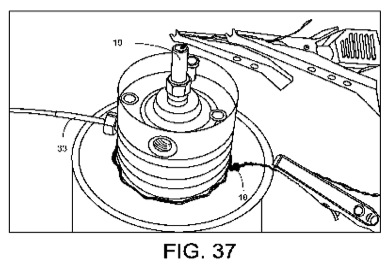
Laboratory demonstration of a continuous, scalable shock electrodialysis cell reported in *Environmental Science & Technology Letters* (2015) and *Langmuir* (2013); prototype achieved the ion removal and water recovery figures above.
Replication Status
Only the MIT/Stanford research group has reported experimental results; no independent replication mentioned.
Limitations
- Not yet competitive with reverse osmosis for large-scale seawater desalination
- Requires electrical power and appropriate electrode/ membrane materials
- Scaling from laboratory cell to multi-thousand-cell stacks remains unproven