Goal
Reverse biological aging and improve performance by increasing cellular ATP production through low-frequency pulsed electromagnetic field exposure.
Problem
Mitochondrial dysfunction, oxidative stress, reduced ATP, sleep disturbances, and age-related decline in cellular function.
Concept Summary
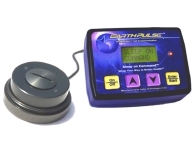
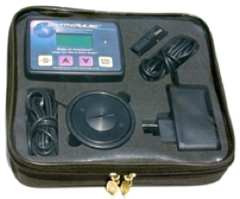
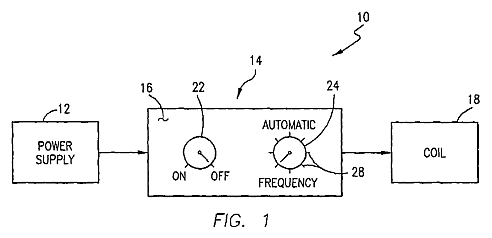
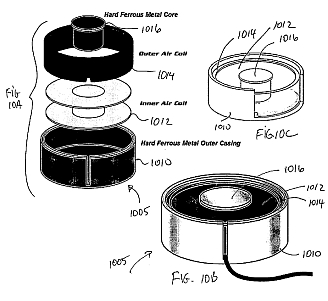
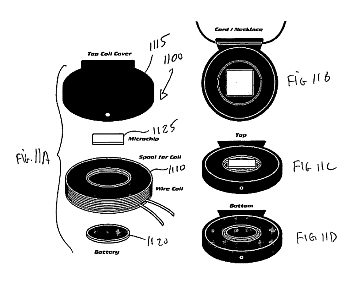
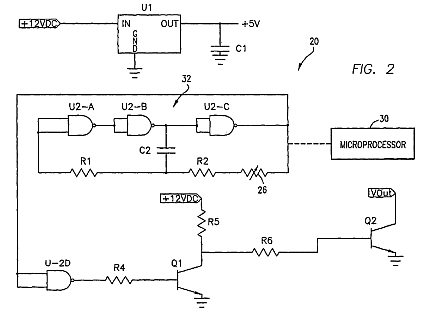
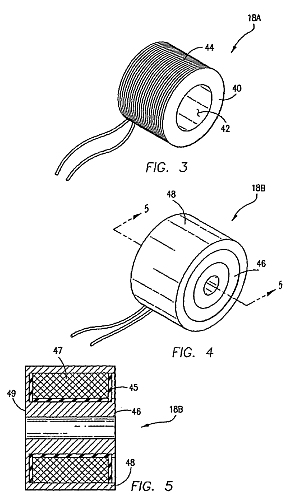
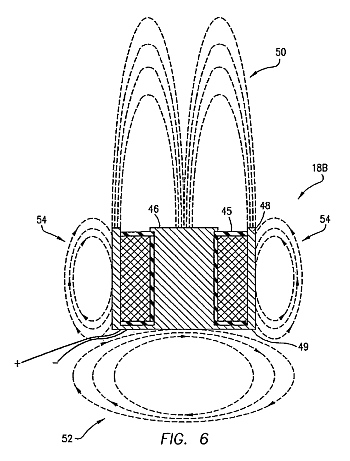
A night-long exposure system that delivers very-weak, pulsed DC electromagnetic fields (~=2-10 Hz, especially 9.6-10 Hz) to the whole body. The fields mimic natural Schumann resonances, entrain brain waves, and stimulate mitochondria, leading to higher ATP synthesis, reduced reactive oxygen species, enhanced enzyme activity, and, according to the author, a reversal of cellular DNA aging signatures.
Principles
- Low-frequency pulsed DC electromagnetic fields (2-10 Hz)
- Brain-wave entrainment (Delta-rhythm sleep)
- Mitochondrial up-regulation
- ATP-boosting via enhanced oxidative phosphorylation
- Reduction of oxidative stress (ROS)
Scientific Domains
Mechanisms of Action
- Stimulation of mitochondrial enzyme activity (citrate-synthase, cytochrome-c-oxidase)
- Up-regulation of mitochondrial ribonucleic acid (mtRNA)
- DNA signature switching from mature to developmental
- Increased cell membrane potential
- Reduced free-radical production
Energy Sources
Applications
- Anti-aging therapy
- Performance and athletic enhancement
- Sleep quality improvement
Claimed Performance
4x baseline tissue regeneration, 3x baseline oxygen-metabolizing enzymes, 2x mitochondrial density, 3x ATP levels at nerve synapse; Resting-Breath-Hold test improvements of 20-100 % in 90 days; NASA study showing DNA signature switching after 10 Hz exposure.
Experimental Evidence
Client feedback from hundreds of users over 6-9 years; RBH test data showing 20-100 % increase in breath-hold time; NASA 2003 study reporting DNA switching after 10 Hz exposure; 1989 Hood study showing three-fold increase in key respiratory enzymes after chronic 10 Hz stimulation.
Replication Status
No independent replication reported; evidence limited to author-collected client data and cited literature.
Limitations
- Reliance on anecdotal client reports rather than peer-reviewed clinical trials
- Potential placebo effect not ruled out
- Lack of independent replication or FDA approval
Red Flags
- Extraordinary anti-aging claims without rigorous controlled studies
- Use of animal anecdotal evidence (dog, cat) as primary proof
- Potential conflict of interest (author also device developer)