Goal
Capture and recycle back-EMF electromagnetic energy to increase motor efficiency and achieve a coefficient of performance (COP) greater than 1.0.
Problem
Conventional magnetic motors are conservative systems with COP <= 1.0, requiring continuous external energy input to overcome back-EMF drag.
Concept Summary
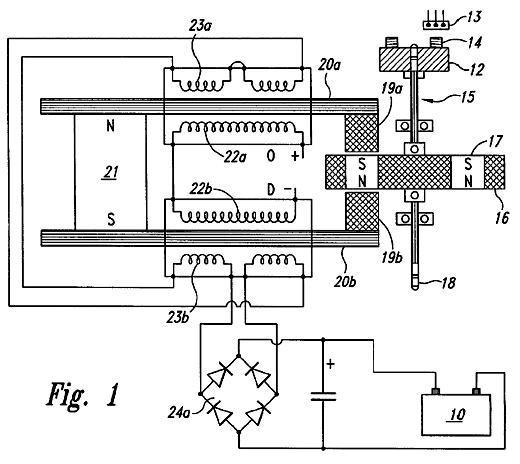
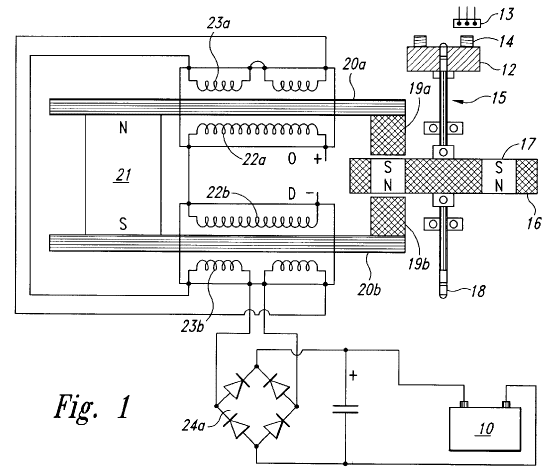
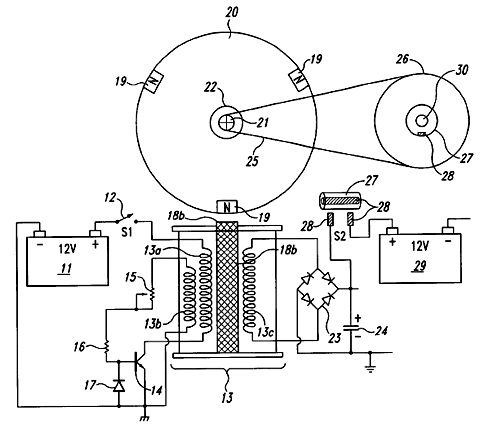
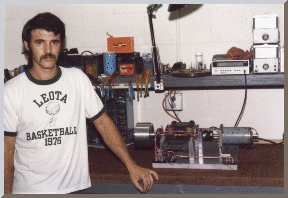
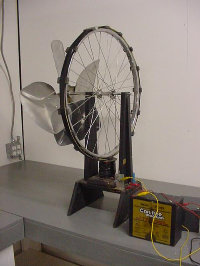
The Bedini motor uses a rotor of like-polarity permanent magnets, a timing wheel with a Hall-effect sensor, and a stator formed by two magnetised bars. Coils wrapped on the bars generate back-EMF that is deliberately collapsed (regauging) by reversing the magnetic field in the pole pieces, allowing the captured energy to be rectified and fed back to a battery or external load. A small trigger pulse initiates the process, after which the system harvests additional electromagnetic energy without continuous operator input.
Detailed Description
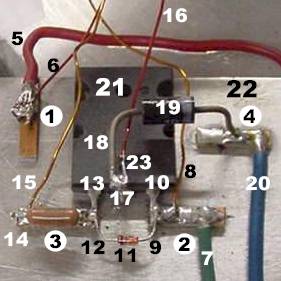
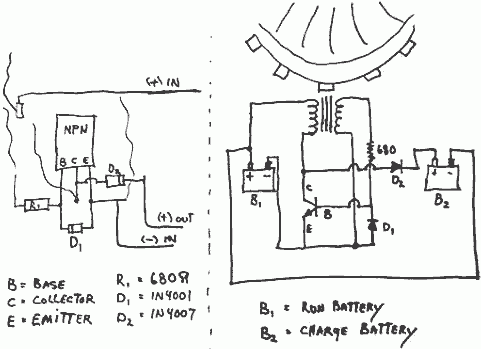
The invention comprises a rotor with permanent magnets of identical polarity, a timing wheel positioned adjacent to a Hall-effect pickup switch, and a stator made of two steel bars connected by a permanent magnet with pole pieces. Input and output coils are wound from copper wire on each bar. When the timing wheel aligns the Hall sensor, a brief electrical trigger energises the input coil, creating a magnetic flux that collapses as the rotor poles pass the stator pole pieces, producing a back-EMF pulse. This pulse is captured by the output coil, rectified by diodes, and directed to a recovery circuit that can recharge a battery or supply mechanical shaft power. The process, termed "regauging," claims to add usable energy to the system, thereby increasing the net COP above unity.
Principles
- Back-EMF regeneration
- Regauging (magnetic flux collapse)
- Energy harvesting from electromagnetic fields
- Magnetic polarity repulsion
Scientific Domains
Materials
- Permanent magnets (neodymium or ferrite)
- Copper wire
- Hall-effect sensor (semiconductor)
- Diodes / rectifier components
- Steel or iron bars (stator)
Mechanisms of Action
- Timing wheel with Hall-effect sensor triggers coil energisation
- Flux reversal in stator pole pieces collapses magnetic field
- Rectification of output coil voltage
- Regauging process captures back-EMF energy
Energy Sources
Applications
- Battery charging
- Low-power supplemental generators
- Alternative energy demonstration devices
Claimed Performance
COP greater than 1.0 claimed; ability to recharge batteries and provide net shaft power without continuous external energy input.
Experimental Evidence
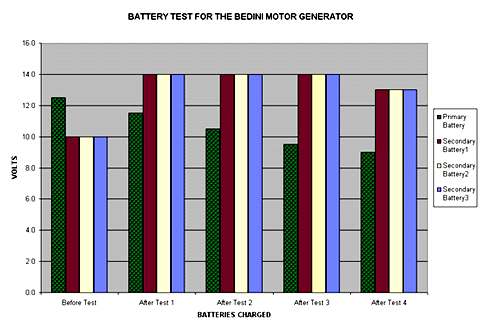
Battery test results and replication attempts are referenced on PESWiki and various forums; however, quantitative data and peer-reviewed documentation are not provided in the article.
Replication Status
Independent replication reported on PESWiki and hobbyist forums, but no formal verification or commercial scaling documented.
Limitations
- Lack of independent, peer-reviewed validation
- Unclear net power gain after losses
- Sensitive to precise magnetic alignment and timing
Red Flags
- Claims of over-unity without rigorous experimental data
- Potential pseudoscientific framing