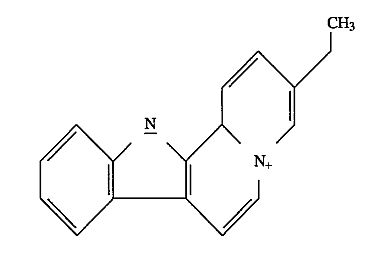
Goal
Treat human immunodeficiency virus (HIV) infection and AIDS
Problem
HIV infection and progression to AIDS
Concept Summary
Flavopereirine, a beta-carboline alkaloid extracted from the Pao Pereira tree, is claimed to act as a selective antiviral agent against HIV-1 when administered alone, either in vitro or in vivo, at doses of roughly 250-500 mg per administration.
Principles
- Selective inhibition of viral replication
- Beta-carboline alkaloid pharmacology
- Modulation of cytokine (IL-6) production
Scientific Domains
Materials
- Flavopereirine (beta-carboline alkaloid)
- Pharmaceutically acceptable salts or derivatives of flavopereirine
- Pharmaceutically acceptable carrier
Mechanisms of Action
- Inhibits HIV-1 replication in infected cells
- Reduces interleukin-6 production by monocytes
Applications
- HIV/AIDS treatment
- Immune system support
Claimed Performance
Effective antiviral amount of 250-500 mg per dose; selective inhibition of HIV-1 infection demonstrated in vitro and in vivo; reduction of interleukin-6 production in monocytes.
Experimental Evidence
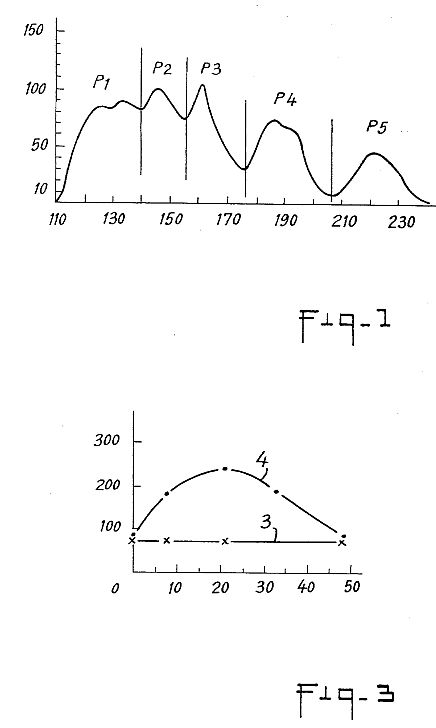
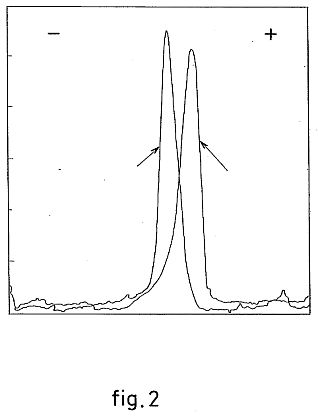
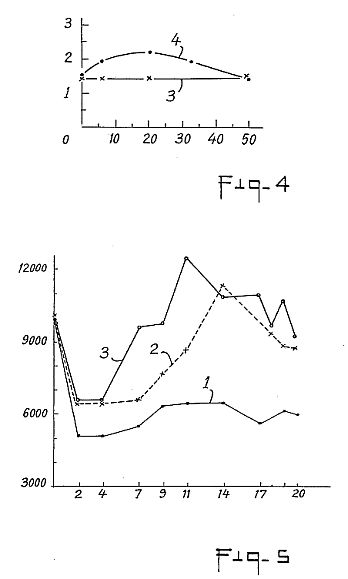
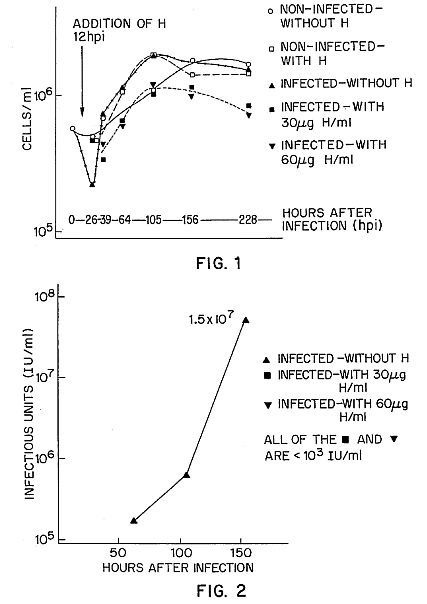
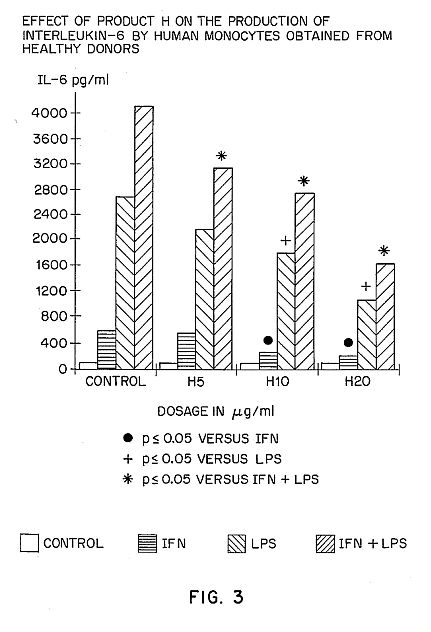
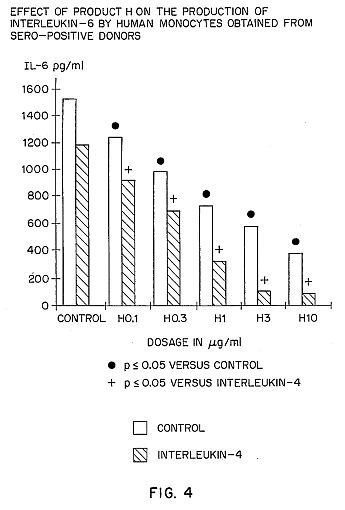
Figures 1-4 in the patent show (1) decreased cell counts after infection when flavopereirine is added, (2) lower infectious unit titres at 30-50 ug/ml, (3) decreased IL-6 production by healthy donor monocytes, and (4) decreased IL-6 production by monocytes from HIV-positive patients.
Limitations
- Limited peer-reviewed clinical data
- No large-scale randomized controlled trials reported
- Potential variability in plant extract composition
Red Flags
- Claims of superiority to AZT without robust clinical evidence
- Patented formulation marketed without regulatory approval in many jurisdictions