Goal
To demonstrate that the alleged 'memory' of highly diluted solutions can be digitized, transmitted remotely, and re-inserted into water to produce a biological effect.
Problem
The lack of a scientifically accepted mechanism for homeopathic effects and the claim that water can retain and convey biological information without any solute.
Concept Summary
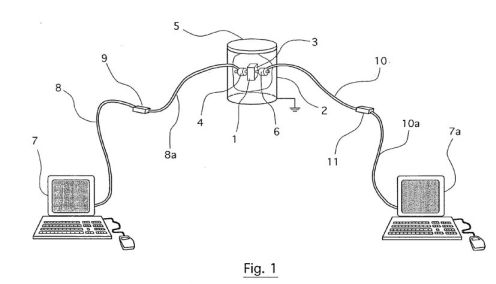
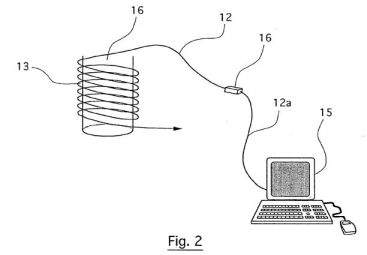
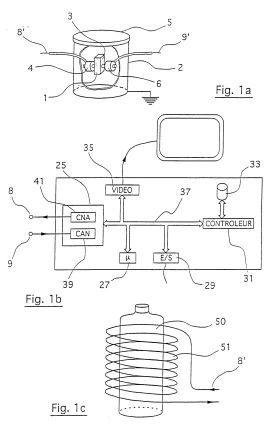
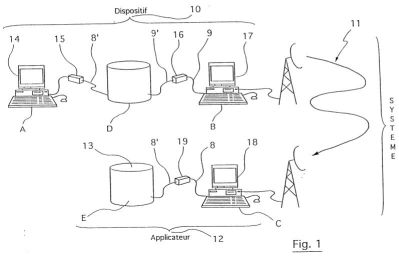
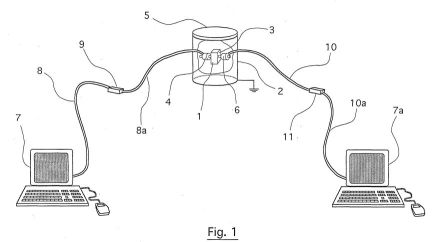
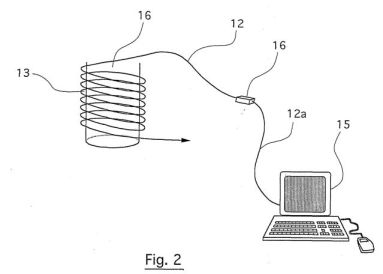
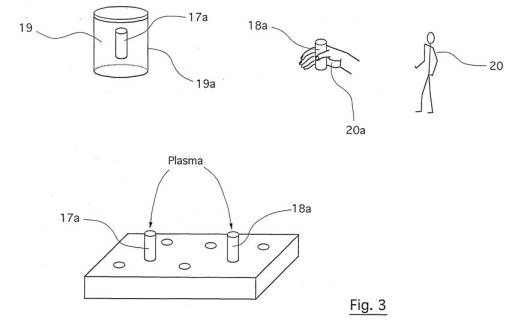
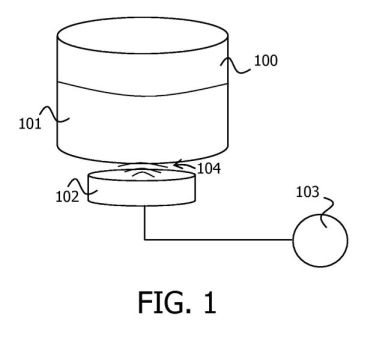
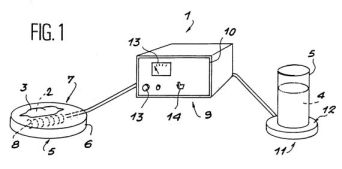
Benveniste proposed that water, after being exposed to high-dilution solutions of antibodies or histamine, acquires a biologically active 'memory'. He later claimed this memory could be digitized, sent over phone or internet lines, and restored in another water sample, thereby reproducing the original biological activity (e.g., basophil degranulation). The concept was pursued by his company DigiBio and investigated by various independent groups, most of which failed to replicate the effect.
Principles
- Water memory hypothesis
- Digital encoding of molecular information
- Remote transmission via telephone/internet lines
- High-dilution (homeopathic) effects
Scientific Domains
Materials
- Water
- Anti-IgE antibodies
- Histamine
- Human basophil blood samples
Mechanisms of Action
- Alteration of water structure to store molecular 'memory'
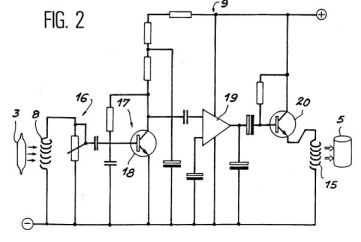
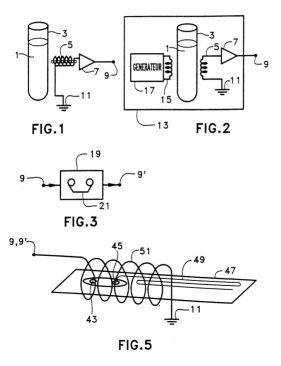
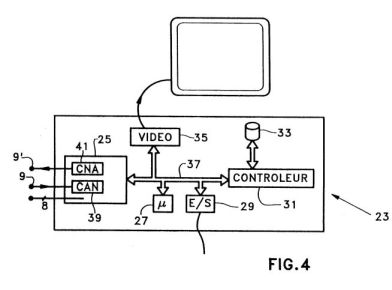
- Conversion of stored information into an electronic signal
- Transmission of the signal through conventional communication channels
- Re-induction of the stored pattern in a fresh water sample
Energy Sources
Applications
- Diagnostic assays based on water-memory signals
- Therapeutic water treatments
- Remote biological signaling devices
Claimed Performance
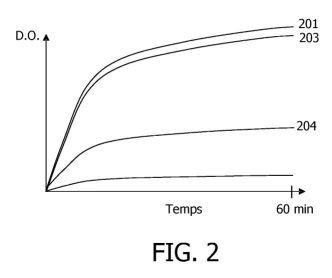
Successful transmission of water-memory effects over telephone lines, resulting in measurable basophil degranulation in a remote laboratory.
Experimental Evidence
Multiple independent attempts (Nature-team, Ovelgonne et al., Hirst et al., DARPA-funded test, FASEB Journal 2006) reported no reproducible effect; occasional positive results were only observed when a specific Benveniste researcher operated the equipment.
Replication Status
Failed to replicate by independent laboratories; no reproducible effect demonstrated.
Limitations
- Consistently negative replication results
- No known physical mechanism for information storage in water
- Highly controversial scientific basis
Red Flags
- Multiple failed independent replications
- Allegations of methodological flaws and observer bias
- Lack of peer-reviewed supporting data