Goal
Increase combustion efficiency, boost horsepower/torque, improve fuel economy, and reduce exhaust emissions.
Problem
Incomplete combustion of hydrocarbon fuels leads to low energy extraction, high pollutant emissions, and reduced engine performance.
Concept Summary
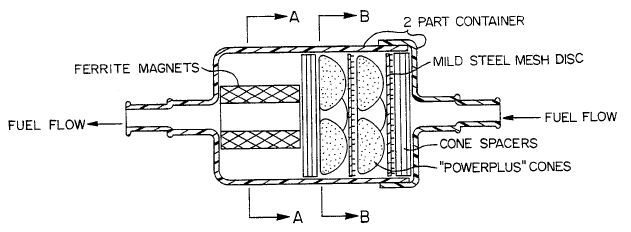
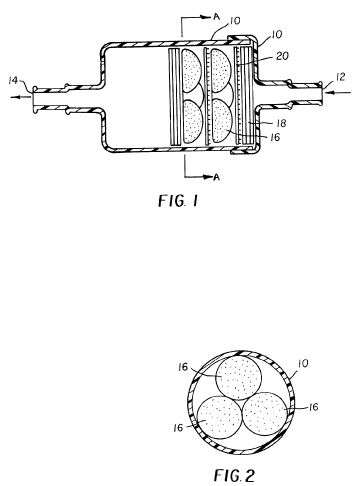
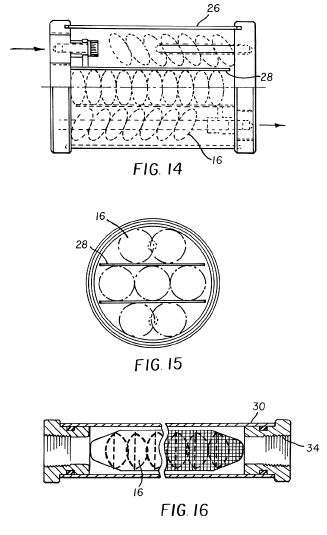
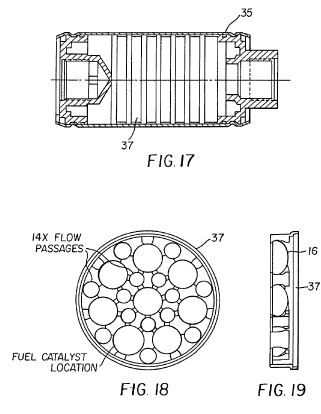
The Fitch Fuel Catalyst is an alloy-based catalytic element placed inline with fuel flow. It contains hydride-producing elements and other metals that promote electrolytic activity, causing hydrogen liberation and fuel reformulation that increases octane and energy content, resulting in more complete combustion.
Principles
- Catalytic reformulation of fuel
- Hydride production and hydrogen liberation
- Electrolytic activity differentials
- Cracking of long-chain paraffins
- Formation of aromatic hydrocarbons
- Enhanced octane rating
Scientific Domains
Materials
- antimony
- tin
- zinc
- silver
- magnesium
- cerium
- palladium
- aluminum
- lead
- mercury
- platinum
- mild steel
- plastic
Mechanisms of Action
- Hydride generation within fuel
- Electrolytic redox reactions
- Catalytic cracking of alkanes
- Aromatic hydrocarbon synthesis
- Hydrogen release improving combustion
Applications
- automotive engines
- industrial furnaces
- boilers
- diesel generators
Claimed Performance
Reduces pollutants by ~50%, increases horsepower/torque, improves fuel economy, and raises octane rating of treated fuels.
Experimental Evidence
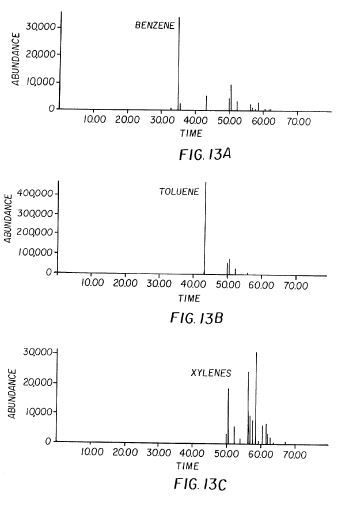
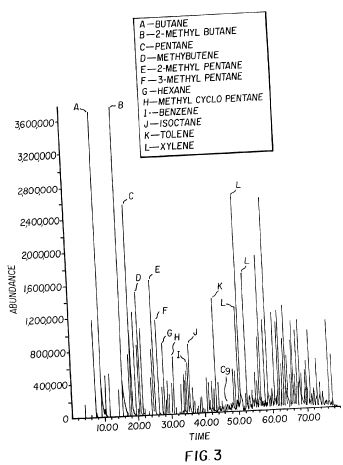
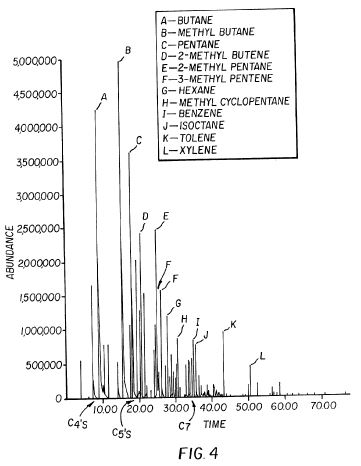
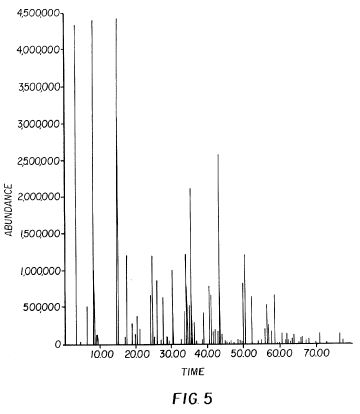
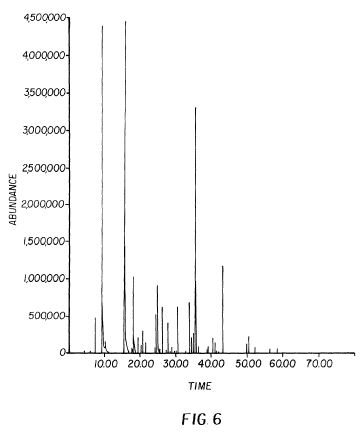
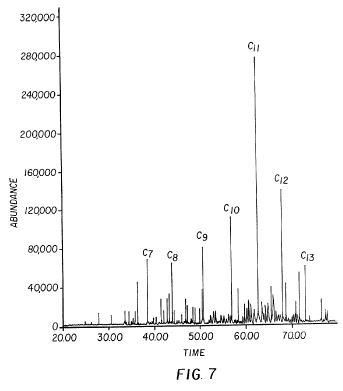
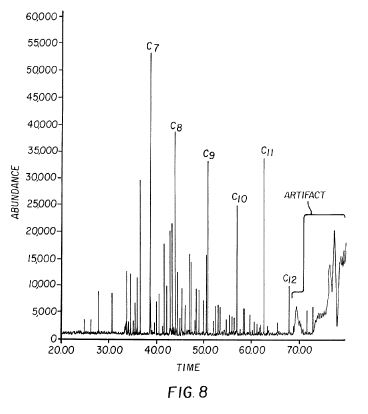
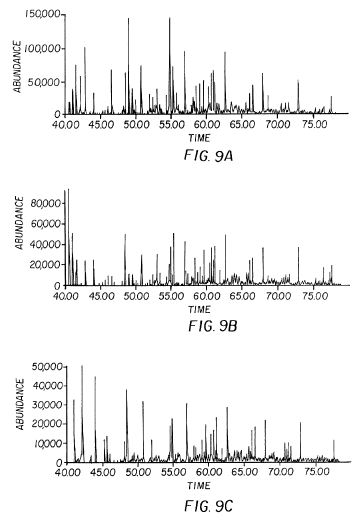
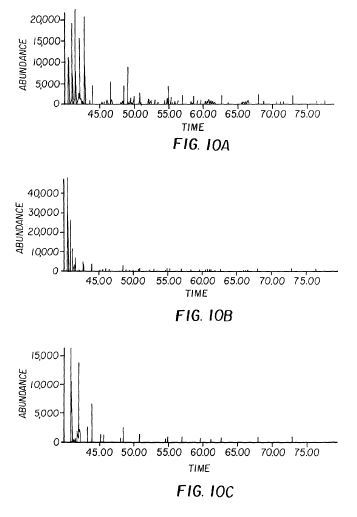
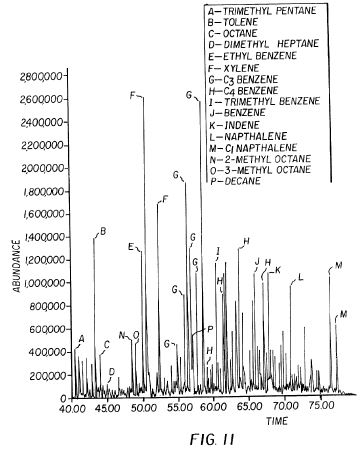
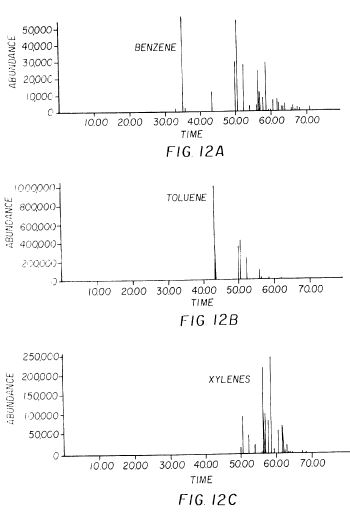
GC/MS analysis of treated gasoline, diesel, and Indolene showed a five-fold increase in xylene peak heights and higher concentrations of aromatic compounds, indicating increased octane and energy content. Oak Ridge National Laboratory testing confirmed higher octane and higher-energy fuel constituents after catalyst treatment.
Replication Status
Validated by a university laboratory, multiple independent engineering test facilities, and Oak Ridge National Laboratory using ASTM test protocols.
Limitations
- Contains toxic metals (lead, mercury) requiring careful handling
- Long-term catalyst lifespan not fully demonstrated
- Performance gains reported primarily by manufacturer and affiliated labs
Red Flags
- Use of lead and mercury in catalyst composition
- Performance claims lack independent peer-reviewed publication