Goal
Extract clean, renewable electricity from slow-moving water currents using vortex-induced vibrations.
Problem
Existing hydro-kinetic turbines require relatively high flow speeds (>=5-6 knots) and are costly; many ocean and river currents are slower, leaving a large untapped energy source.
Concept Summary
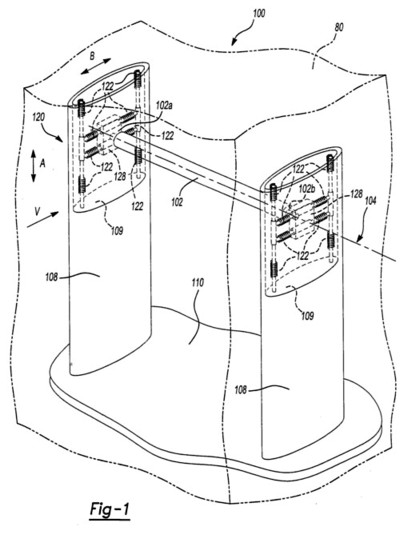
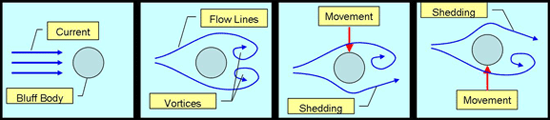
VIVACE places a bluff cylindrical body on springs in a water flow. Vortex shedding creates alternating forces that cause the cylinder to oscillate. The mechanical oscillation is converted to electricity via a generator. By exploiting the non-linear resonance of vortex-induced vibrations, the system can harvest energy over a wide range of low flow speeds.
Detailed Description
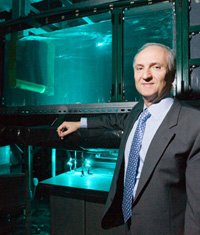
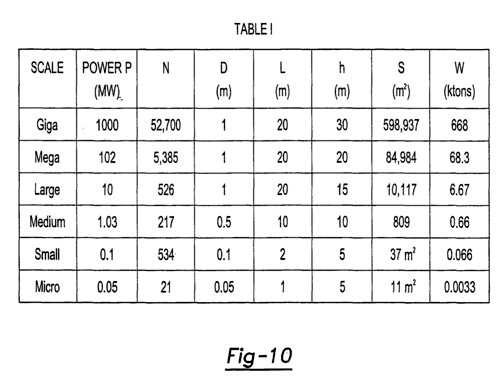
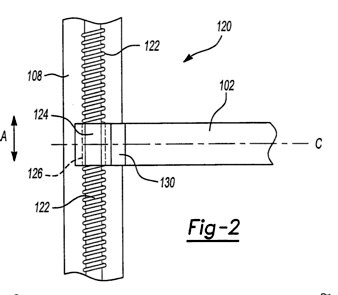
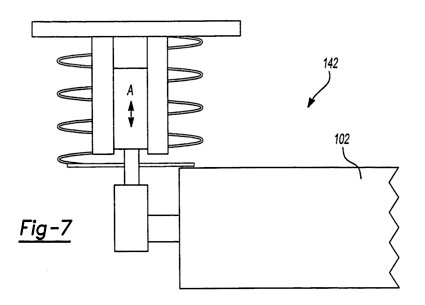
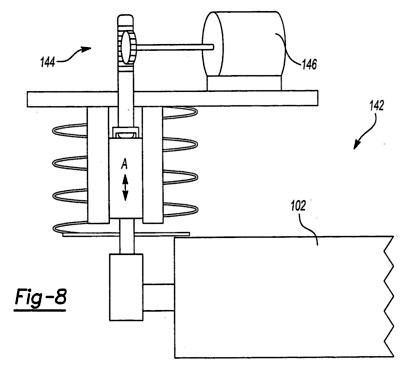
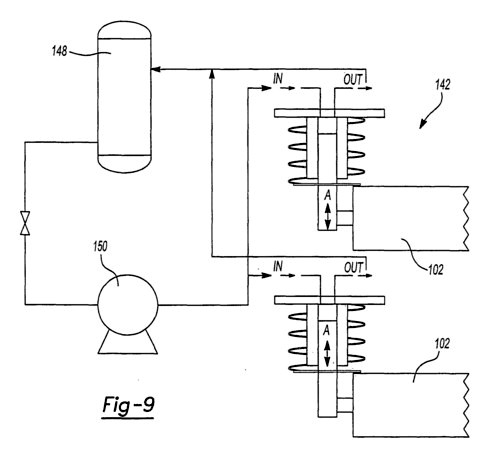
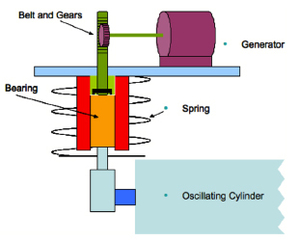
The prototype consists of a sleek steel cylinder mounted horizontally across a flow channel, attached to a set of steel springs that allow vertical motion. As water flows (~=1.5 knots in the lab), vortices shed alternately from the top and bottom of the cylinder, driving it up and down. The oscillatory motion drives a linear generator (e.g., a permanent-magnet-coil arrangement) that produces AC electricity, which is then rectified for grid use. Arrays of cylinders can be stacked vertically or horizontally to increase power output, potentially powering ships, lighthouses, or coastal communities. The system is designed for low maintenance, sub-surface installation, and minimal impact on marine life.
Principles
- Vortex Induced Vibrations (VIV)
- Fluid-structure interaction
- Non-linear resonance
- Electromagnetic energy conversion
Scientific Domains
Materials
- steel
- copper
- rare-earth magnet
Mechanisms of Action
- Vortex shedding creates alternating lift forces
- Cylinder oscillates on springs due to these forces
- Oscillation drives a linear electromagnetic generator
Energy Sources
Applications
- Coastal and river power generation
- Powering anchored ships or lighthouses
- Remote off-grid electricity supply
Claimed Performance
High energy density - up to 50x less ocean area than wave power; cost ~=5.5 cent/kWh; prototype demonstrated multi-kilowatt output; array the size of a running track could power ~100,000 homes.
Experimental Evidence
Prototype operating in the University of Michigan Marine Hydrodynamics Laboratory, funded by DOE and ONR, has met or exceeded expectations; feasibility study completed for Detroit River deployment; multiple peer-reviewed papers documenting model tests at Reynolds numbers up to 10^5.
Replication Status
Laboratory prototype built and tested; pilot field deployment planned within 18 months; no commercial scale yet.
Limitations
- Requires sufficient water flow (minimum ~=1 knot)
- Underwater installation and maintenance challenges
- Potential bio-fouling of cylinder surfaces
- Scaling from laboratory to multi-MW arrays