Goal
Provide a more accurate air-fuel mixture to improve fuel efficiency, reduce emissions, and increase engine performance.
Problem
Conventional carburetors deliver uneven fuel-air mixing, causing poor fuel economy, higher emissions, and misfires across the engine operating range.
Concept Summary
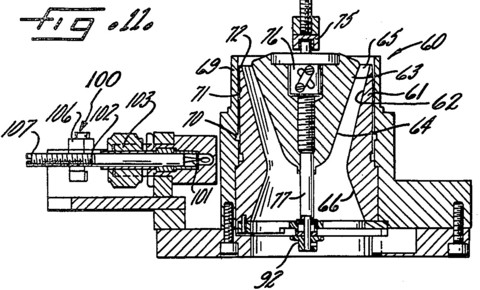
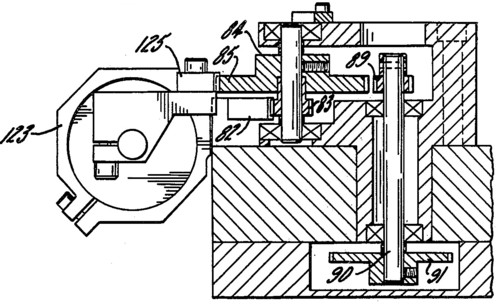
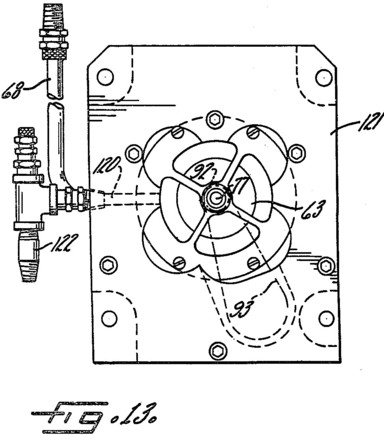
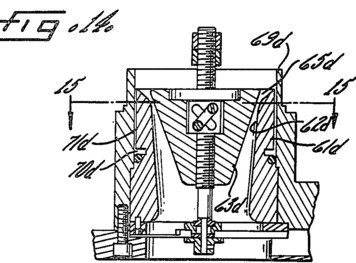
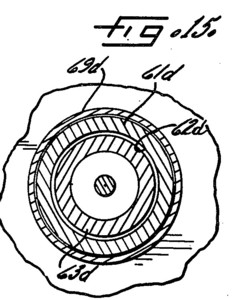
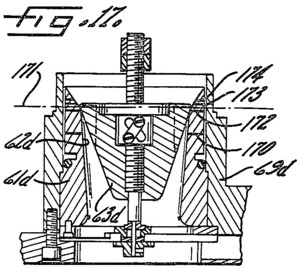
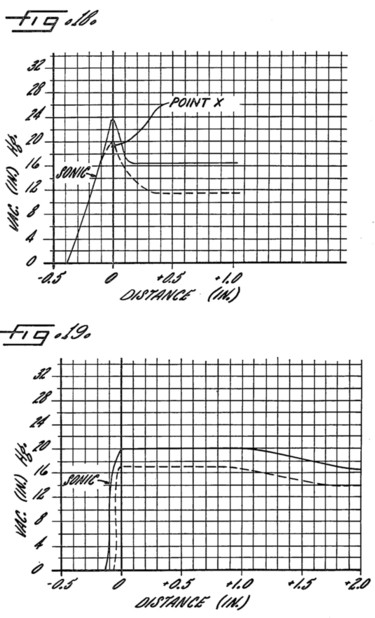
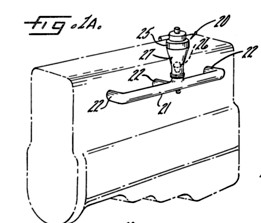
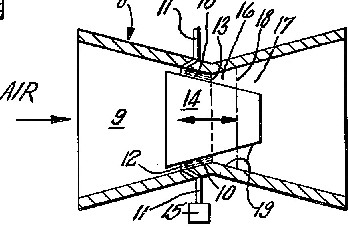
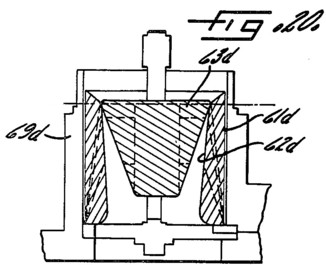
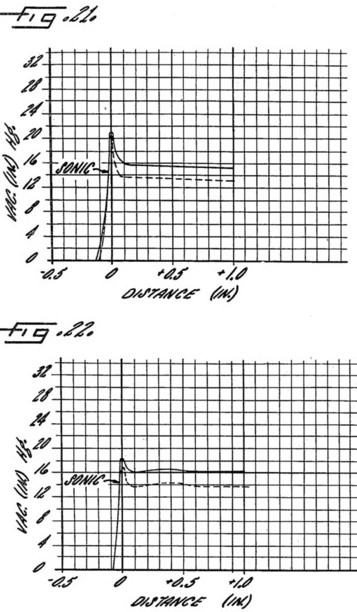
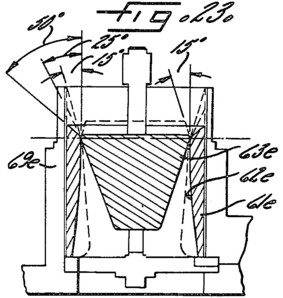
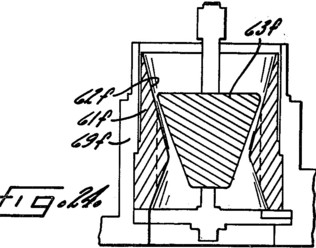
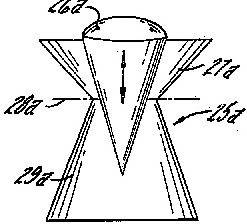
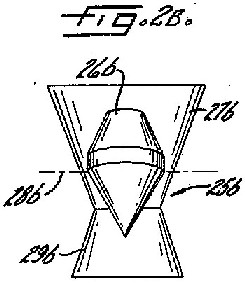
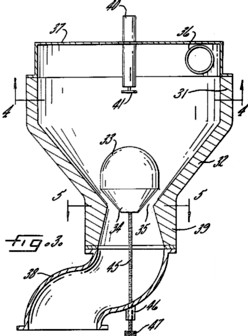
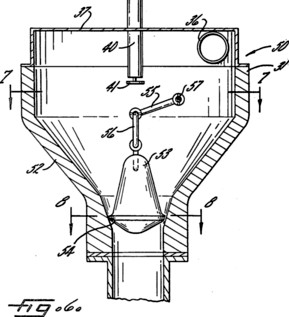
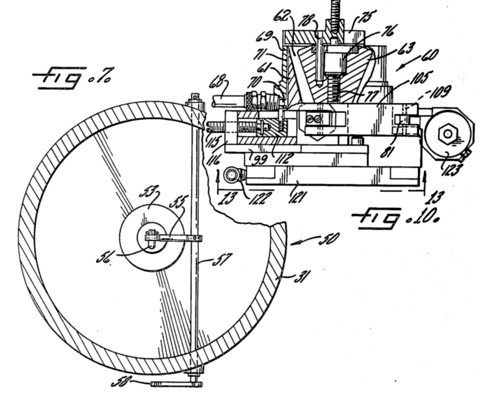
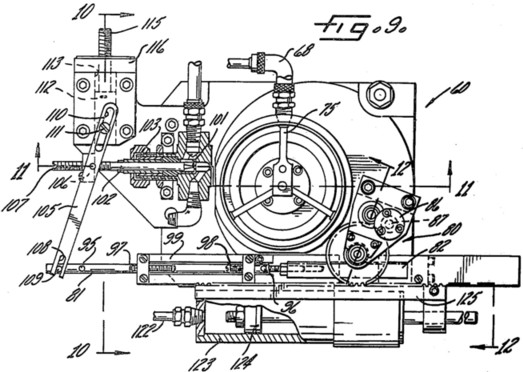
The Dresserator uses a specially shaped constricted zone to accelerate the intake air-fuel mixture to sonic velocity, then to supersonic and subsonic zones, creating shock waves that further atomize fuel droplets and achieve a highly uniform mixture (up to 22:1). Adjustable geometry allows the device to operate effectively over the full engine load range.
Detailed Description
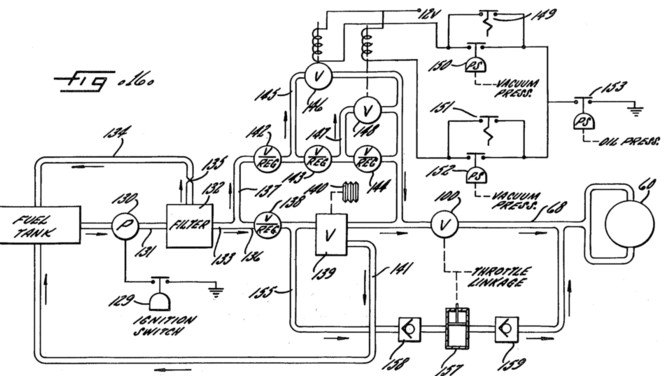
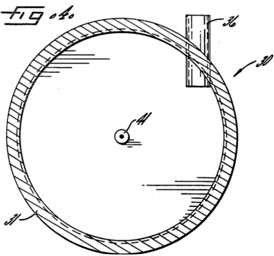
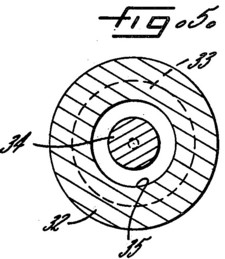
The invention introduces liquid fuel into a high-velocity air stream, passes the mixture through a constricted (sonic) zone that breaks fuel into fine droplets, then accelerates it to supersonic speed in a conical section (apex angle 6-18 deg ). A downstream subsonic shock zone further subdivides droplets, producing a homogeneous mixture before it reaches the cylinders. The area of the constricted zone and fuel flow are continuously varied to match engine demand, delivering a consistent 22:1 mixture and achieving an 18 % mileage gain while meeting or exceeding 1970s emission standards.
Principles
- Sonic flow
- Supersonic flow
- Shock wave atomization
- Adjustable constriction
- Fluid dynamics
Scientific Domains
Materials
- Aluminum
- Steel
- Copper
Mechanisms of Action
- Air-fuel atomization by sonic velocity
- Further droplet breakup in supersonic zone
- Uniform distribution via subsonic shock zone
- Adjustable geometry for load-dependent control
Energy Sources
Applications
- Automotive gasoline engines
- After-market performance upgrades
Claimed Performance
22:1 air-fuel mixture, 18 % increase in mileage, emissions below 1975 federal standards.
Experimental Evidence
Test cars equipped with the Dresserator passed pollution control standards with ease and achieved up to an 18 % mileage gain.
Replication Status
No further replication reported after initial agreements with Holley and Ford in 1974.
Limitations
- Requires precise manufacturing of the constricted and conical zones
- Performance data limited to early 1970s test vehicles
- No documented long-term durability studies
Red Flags
- Claims of suppression and lack of peer-reviewed validation
- No independent replication or commercial production reported